
Anúncios
The Silk Road weaves together a tapestry of tastes, traditions, and transformative exchanges that shaped global cuisine across millennia of trade and cultural connection.
Anúncios
🌍 The Ancient Network That Fed the World
Long before globalization became a buzzword, the Silk Road served as humanity’s first major intercontinental highway of cultural and culinary exchange. Stretching over 4,000 miles from China to the Mediterranean, this network of trade routes didn’t just transport silk, spices, and precious goods—it carried recipes, cooking techniques, and agricultural innovations that would fundamentally alter how civilizations ate, cooked, and celebrated food.
Anúncios
The culinary journey along the Silk Road represents one of history’s most fascinating gastronomic adventures. Merchants, monks, soldiers, and explorers traversed treacherous mountain passes, scorching deserts, and bustling market cities, each carrying not only merchandise but also food traditions from their homelands. These encounters created fusion cuisines centuries before the term existed, blending Chinese, Persian, Indian, Central Asian, and Mediterranean flavors into dishes that continue to tantalize our taste buds today.
🍜 Eastern Origins: China’s Culinary Contributions
China’s influence on Silk Road cuisine cannot be overstated. As the eastern terminus of this vast network, Chinese culinary innovations traveled westward, transforming eating habits across continents. Noodles, perhaps China’s most famous contribution, spread along the trade routes in various forms, adapting to local ingredients and preferences at every stop.
Tea culture, originating in ancient China, became one of the most significant exports along the Silk Road. What began as a medicinal drink evolved into a social ritual that eventually reached Persia, Arabia, and ultimately Europe. The tea ceremonies and preparation methods varied dramatically from region to region, each culture adding its unique twist to this simple beverage made from dried leaves.
Chinese culinary techniques like stir-frying, steaming, and the use of the wok influenced cooking methods throughout Central Asia. The concept of balancing flavors—sweet, sour, salty, bitter, and umami—became a philosophical approach to cooking that resonated with Persian and Indian culinary traditions, creating interesting dialogues between different food cultures.
Dumplings: A Universal Language of Flavor
Perhaps no food better exemplifies the Silk Road’s culinary exchange than dumplings. Chinese jiaozi traveled westward, transforming into Central Asian manti, Turkish manti, Georgian khinkali, and eventually Italian ravioli. Each culture adapted the basic concept of filling wrapped in dough to local tastes, creating a family of dishes that share common ancestry despite their diverse appearances and flavors.
🌶️ The Spice Routes: Flavoring Empires
Spices represented the most valuable and transformative commodities traded along the Silk Road. Black pepper from India, cinnamon from Sri Lanka, cardamom from the Malabar Coast, and cloves from the Indonesian Spice Islands commanded prices equivalent to gold. These aromatic treasures didn’t just season food—they preserved it, served medicinal purposes, and demonstrated wealth and sophistication.
The spice trade fundamentally altered European cuisine, which had been relatively bland before these exotic flavors arrived. Medieval European nobility displayed their wealth through heavily spiced dishes, creating demand that would eventually drive the Age of Exploration. The search for direct routes to spice-producing regions motivated explorers like Columbus and Vasco da Gama, inadvertently leading to the discovery of new continents.
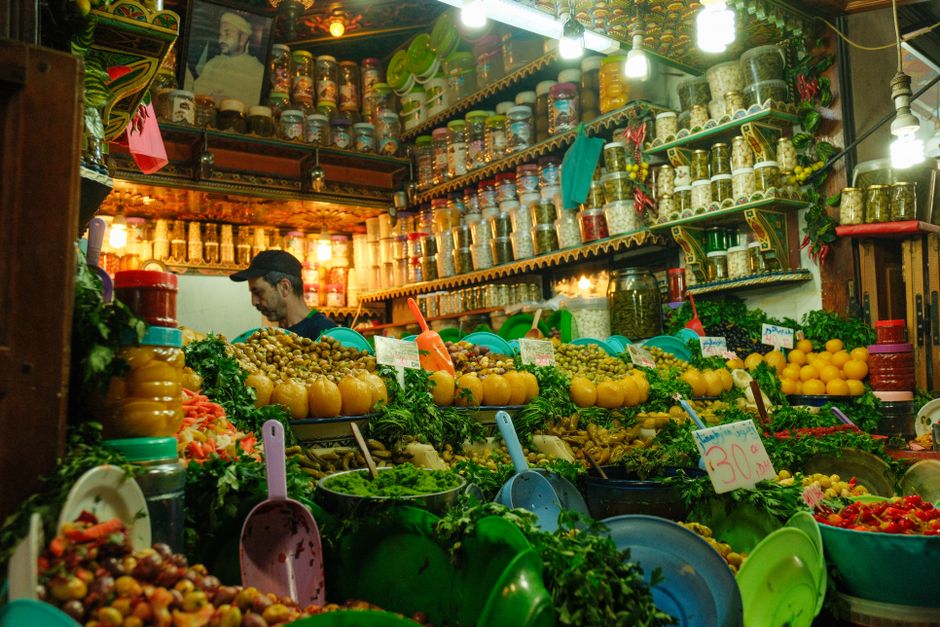
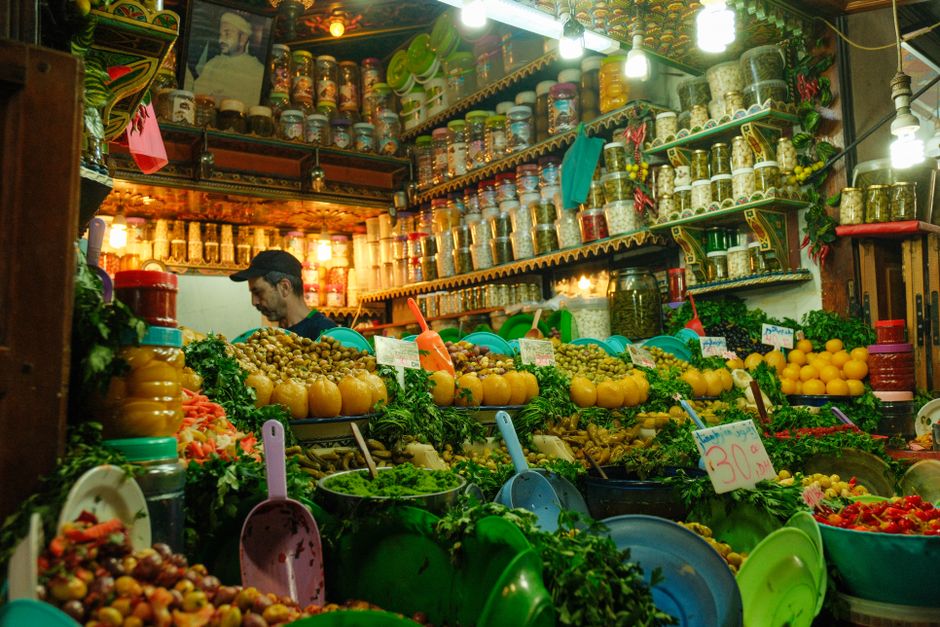
Central Asian cities like Samarkand, Bukhara, and Kashgar became legendary spice markets where aromatic treasures from across the known world mingled. Merchants developed sophisticated blending techniques, creating signature spice mixtures that defined regional cuisines. Persian advieh, Indian garam masala, and Chinese five-spice powder all emerged from this cross-pollination of flavors and knowledge.
🥖 Bread: The Staff of Life Across Cultures
Bread varieties proliferated along the Silk Road, with each region developing distinctive styles suited to local grains, climates, and cooking methods. Chinese steamed buns, Central Asian naan, Persian lavash, and Mediterranean pita all share ancient connections through trade route interactions.
The tandoor oven, originating in Central Asia, spread both eastward and westward, becoming essential to Indian, Persian, Turkish, and Uzbek cuisines. This clay oven’s ability to reach extremely high temperatures created distinctive bread textures—crispy exteriors with soft, chewy interiors—that became signatures of Silk Road cuisines.
Wheat cultivation techniques traveled bidirectional along the routes, with Chinese farmers adopting Persian wheat varieties while Central Asian agriculturalists learned Chinese irrigation methods. This exchange improved yields and expanded bread-making traditions into regions previously dependent on other grains like millet and rice.
🍖 Meat, Dairy, and the Nomadic Influence
Nomadic peoples of the Central Asian steppes—Mongols, Turkic tribes, and others—contributed significantly to Silk Road cuisine through their meat and dairy traditions. Their lifestyle demanded portable, preserved foods that could withstand long journeys and harsh climates, leading to innovations in food preservation and preparation.
Dried meats, fermented dairy products like kumiss (fermented mare’s milk) and various yogurts, and techniques for preserving meat through smoking and salting spread along the trade routes. These nomadic contributions became integral to Persian, Turkish, and even Chinese Muslim cuisines, creating distinctive culinary traditions that persist today.
The Mongolian influence on regional cuisines intensified during the Yuan Dynasty when Mongol rule connected disparate regions under one empire. Mongolian hot pot traveled to China, while Chinese culinary refinements influenced Mongolian court cuisine, demonstrating the bidirectional nature of cultural exchange.
🧀 Dairy Delights and Fermented Wonders
Dairy products underwent remarkable transformations along the Silk Road. Yogurt, originating in Central Asia or the Middle East, spread in all directions, adapting to local tastes and available milk types. Turkish ayran, Indian lassi, and Persian doogh all represent regional interpretations of fermented milk drinks that quench thirst and aid digestion.
Cheese-making techniques traveled westward from Central Asia toward Europe while simultaneously influencing Chinese Muslim communities. The variety of cheeses developed along the Silk Road—from fresh, soft varieties to aged, hard cheeses—reflects different climates, milk sources, and cultural preferences encountered along the routes.
🍇 Fruits, Nuts, and Sweet Innovations
The Silk Road facilitated an extraordinary exchange of fruits and nuts that transformed agricultural landscapes and culinary traditions across continents. Peaches traveled from China to Persia (hence “Persian apple” in some languages), while grapes, pomegranates, and figs moved eastward from the Mediterranean and Middle East.
Almonds, pistachios, and walnuts became essential ingredients in both sweet and savory dishes across Silk Road cuisines. Persian cuisine particularly excelled at combining nuts with meat, creating complex flavor profiles that influenced Indian Mughlai cuisine and Turkish Ottoman cooking. These nut-based sauces and garnishes added richness, texture, and nutritional value to countless dishes.
Sugar cane cultivation techniques traveled from India westward, eventually reaching the Mediterranean and enabling the development of sophisticated confectionery traditions. Persian innovations in sugar work influenced Chinese candy making, Turkish delight production, and eventually European dessert craftsmanship. The exchange of sweetening techniques—from honey to fruit syrups to refined sugar—dramatically expanded the possibilities for dessert creation.
🍲 Iconic Dishes Born from Exchange
Certain dishes embody the Silk Road’s culinary fusion so completely that their origins become nearly impossible to pinpoint. Pilaf, known by countless names across dozens of cultures, exemplifies this phenomenon. Whether called polo in Persia, plov in Central Asia, pilau in India, or pilaf in Turkey, this rice dish cooked with meat, vegetables, and spices represents centuries of refinement and cultural adaptation.
Samosas, those beloved filled pastries found from Central Asia to East Africa, likely originated in the Middle East before traveling along trade routes. Each region adapted the concept, creating variations with different fillings, shapes, and cooking methods. The Indian samosa differs significantly from its Central Asian cousin, the samsa, yet both trace ancestry to the same Silk Road origins.
Kebabs in their countless varieties showcase Silk Road culinary evolution. From Chinese chuan’r to Persian kabob to Turkish şiş kebap, the technique of grilling seasoned meat on skewers adapted to available meats, spices, and cooking methods across diverse cultures, creating a family of related dishes that spans continents.
🥘 The Persian Culinary Bridge
Persian cuisine occupied a unique position as a bridge between East and West, absorbing and transmitting culinary innovations in both directions. Persian cooking techniques, flavor combinations, and dishes profoundly influenced Indian, Turkish, Central Asian, and even Chinese Muslim cuisines while simultaneously incorporating elements from each.
The Persian emphasis on balancing sweet and sour flavors, using fruits in savory dishes, and creating complex spice blends influenced cuisines across the Islamic world and beyond. Dishes like fesenjan (pomegranate walnut stew) and zereshk polo (barberry rice) showcase this distinctive approach that married local ingredients with techniques and flavors acquired through Silk Road exchanges.
🍷 Beverages Beyond Borders
Beyond tea, the Silk Road facilitated the spread of numerous beverages that shaped social customs and daily life. Wine production techniques traveled from the Mediterranean and Persia eastward along the trade routes, with vineyards established in Central Asian oasis cities and eventually reaching China during the Tang Dynasty.
Coffee, originating in Ethiopia and cultivated in Yemen, traveled along Silk Road branches to become the favorite beverage of Ottoman Turkey, Persian courts, and eventually European cafes. The coffee culture that developed in each region created distinctive preparation methods, serving traditions, and social rituals around this energizing drink.
Sherbet, the Persian cooled fruit drink, influenced beverage traditions from India to Turkey to Europe, eventually evolving into Italian sorbetto and French sorbet. These cooling drinks, often flavored with rose water, fruit syrups, or spices, provided refreshment in hot climates while demonstrating sophistication and hospitality.
🏺 Cooking Technologies and Techniques
The exchange wasn’t limited to ingredients and recipes—cooking technologies and techniques also traveled along the Silk Road, transforming how people prepared food. The tandoor oven’s westward spread has already been mentioned, but other innovations proved equally transformative.
Chinese wok technology influenced cooking methods in Southeast Asia and Central Asia, while Middle Eastern tannur ovens affected bread-making across vast regions. Fermentation techniques for preserving vegetables, originally developed in China, spread westward, while Persian methods for preserving meats through specialized curing processes traveled eastward.
Distillation techniques, crucial for creating spirits and extracting essential oils, moved along trade routes from the Middle East, influencing both Chinese baijiu production and European brandy making. These technological transfers often proved as significant as ingredient exchanges in shaping regional cuisines.
🎨 Presentation and Dining Culture
The Silk Road didn’t just exchange foods—it transmitted entire dining philosophies and presentation aesthetics. Chinese principles of food arrangement for visual appeal influenced Persian and Turkish court cuisines, while Middle Eastern hospitality traditions shaped dining customs across Central Asia.
The concept of multi-course meals, with specific sequences and purposes for each dish, evolved differently across cultures but shared common influences from Silk Road exchanges. Persian court dining influenced both Indian Mughal feasting traditions and Ottoman Turkish banquet culture, creating elaborate culinary performances that demonstrated power, sophistication, and cultural refinement.
Table manners, utensil use, and dining postures varied dramatically across Silk Road cultures, but trade contact created awareness of different approaches and occasional adoption of foreign customs. The Chinese use of chopsticks fascinated Western travelers, while Central Asian and Middle Eastern dining customs influenced Chinese Muslim communities.
💫 Living Legacy in Modern Kitchens
Today’s globalized food culture owes an enormous debt to the Silk Road’s ancient exchanges. When you enjoy Italian pasta, consider its possible connections to Chinese noodles. When you spice your coffee with cardamom, you’re participating in a tradition that traveled from India along ancient trade routes. When you bite into a dumpling—whether Chinese, Turkish, or Italian—you’re tasting history.
Modern fusion cuisine, celebrated in contemporary restaurants worldwide, essentially continues the Silk Road tradition of creative culinary exchange. Chefs drawing inspiration from multiple cultures are following in the footsteps of those ancient cooks who adapted foreign ingredients and techniques to create something new yet familiar.
The spice blends in your pantry, the fruits in your market, the cooking techniques you use—many trace their presence in your kitchen to exchanges that occurred centuries ago along dusty trade routes connecting distant civilizations. The Silk Road’s culinary legacy isn’t confined to museums or history books; it lives in every meal that combines ingredients and techniques from multiple cultural traditions.
🌟 Preserving and Celebrating Culinary Heritage
Recognizing the Silk Road’s culinary importance, UNESCO has designated various food traditions along the route as Intangible Cultural Heritage. From Central Asian pilaf traditions to bread-making techniques, these designations acknowledge food’s role in cultural identity and historical continuity.
Contemporary initiatives aim to preserve traditional Silk Road recipes and cooking methods while making them accessible to new generations. Food tourism along historic Silk Road routes allows travelers to taste authentic regional cuisines, supporting local communities while educating visitors about culinary heritage.
The challenge lies in balancing preservation with evolution. Cuisines have always adapted and changed—that’s precisely what made Silk Road culinary exchanges so dynamic. The goal isn’t to freeze traditions in time but to honor their histories while allowing them to continue evolving in response to contemporary tastes, ingredients, and contexts.
🍽️ Bringing Silk Road Flavors Home
You don’t need to travel thousands of miles to experience Silk Road cuisine. Many cities worldwide now host restaurants specializing in Central Asian, Persian, Turkish, and other Silk Road cuisines. These establishments offer windows into culinary traditions shaped by centuries of exchange and adaptation.
For home cooks, experimenting with Silk Road-inspired dishes provides delicious opportunities to explore culinary history. Try making Persian polo with saffron and barberries, Uzbek plov with lamb and carrots, Turkish manti with yogurt sauce, or Chinese hand-pulled noodles. Each dish tells stories of migration, trade, and cultural fusion.
Stock your pantry with Silk Road staples: cumin, coriander, cardamom, saffron, dried fruits, nuts, and pomegranate molasses. These ingredients, once precious commodities worth their weight in gold, are now accessible to home cooks worldwide—a democratization of flavors that would have astonished ancient merchants.
🌏 The Road Continues: Modern Culinary Connections
While the historical Silk Road ceased functioning as a primary trade route centuries ago, its spirit of exchange and connection continues. China’s Belt and Road Initiative explicitly invokes Silk Road heritage, and with it comes renewed interest in the culinary traditions that connected these regions.
Contemporary chefs increasingly look to Silk Road cuisines for inspiration, recognizing that these traditions mastered fusion cooking long before it became trendy. The complex spice profiles, balanced flavor combinations, and sophisticated cooking techniques developed along these routes offer endless possibilities for culinary innovation.
Food festivals celebrating Silk Road cuisines bring together diverse communities, using shared culinary heritage to build understanding across cultural differences. These events remind us that food has always been a universal language, capable of bridging divides and creating connections between seemingly disparate peoples.
The Silk Road’s culinary journey teaches us that cultures have never existed in isolation. Every cuisine we celebrate today resulted from countless exchanges, adaptations, and innovations spanning centuries. The dishes we consider authentically Chinese, Persian, Turkish, or Italian all carry traces of ingredients, techniques, and ideas that traveled along these ancient routes. By savoring Silk Road flavors, we don’t just enjoy delicious food—we taste the interconnected history of human civilization, one bite at a time. This ongoing exchange reminds us that our culinary future, like our past, will be shaped by openness, curiosity, and the willingness to learn from different traditions, creating new flavors while honoring ancient wisdom. 🌏✨
