
Anúncios
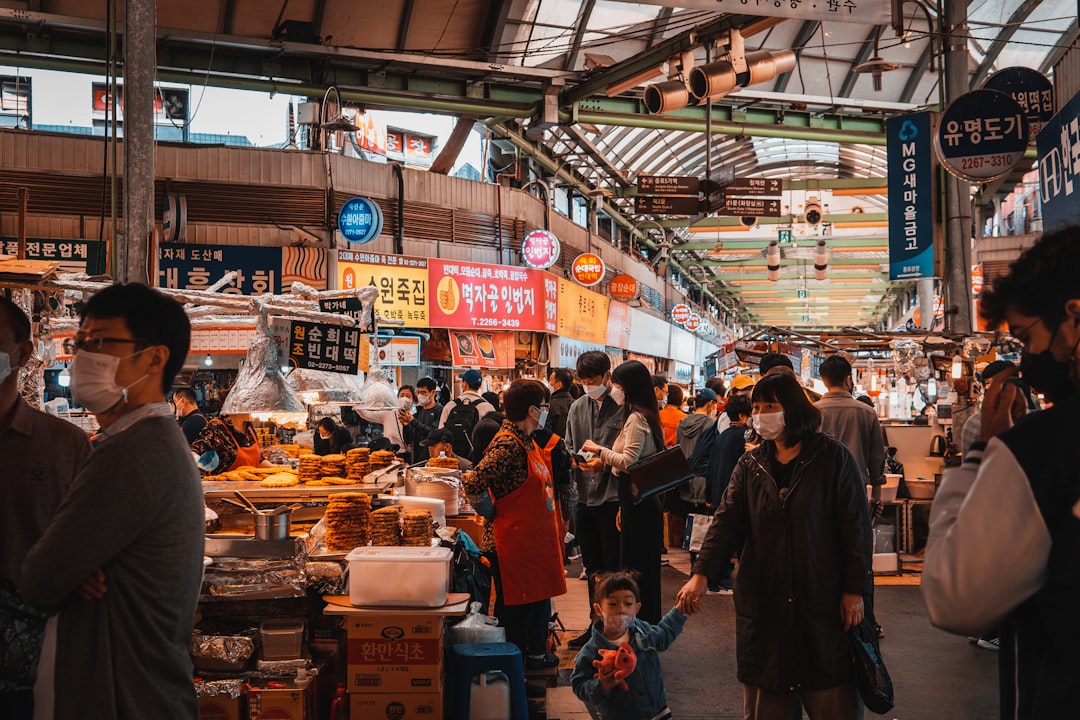
Migration has forever transformed how we eat, creating unexpected fusions and culinary traditions that transcend borders, redefining global food culture in profound ways.
Anúncios
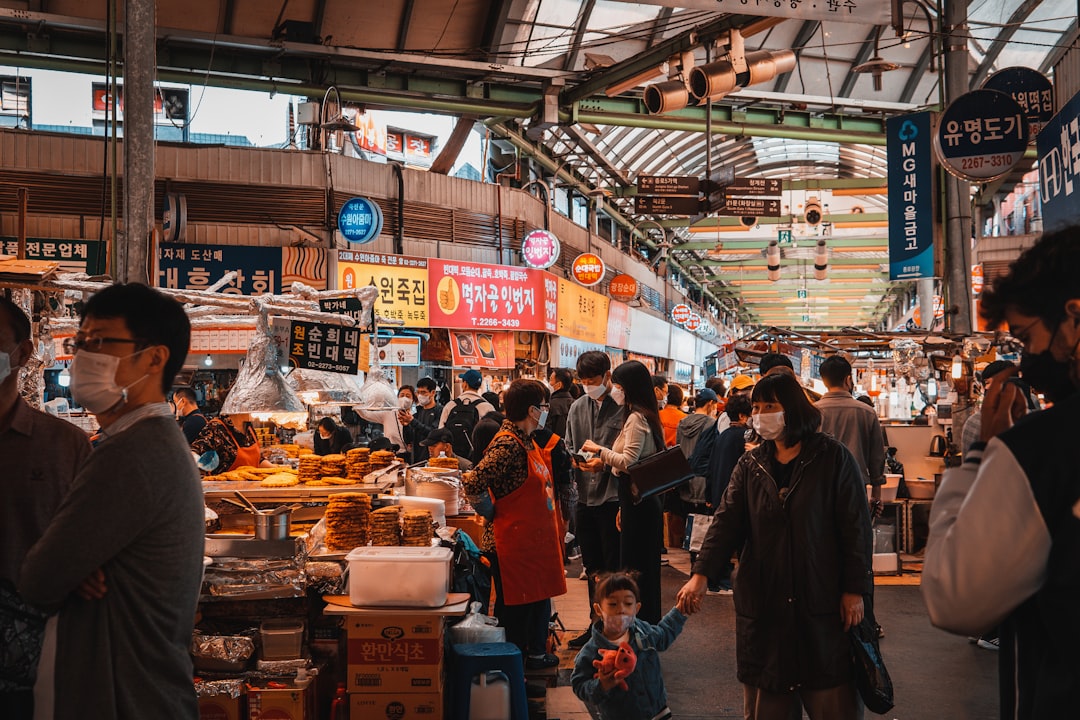
🌍 The Unintentional Kitchen: When Necessity Becomes Innovation
Throughout history, migration has served as an invisible hand stirring the global pot, mixing ingredients, techniques, and traditions in ways no single culture could have imagined alone. When families crossed oceans and borders, they carried more than suitcases—they brought recipes inscribed in memory, flavor profiles tattooed on their palates, and cooking methods passed down through generations. Yet what emerged in their new homelands was rarely a faithful reproduction of what they left behind.
Anúncios
The story of diaspora cuisine is fundamentally about adaptation and reinvention. Immigrants arriving in unfamiliar territories faced immediate challenges: beloved ingredients were unavailable, traditional cooking equipment was scarce, and local tastes differed dramatically from home. These constraints didn’t diminish culinary traditions; they transformed them into something entirely new—accidental food cultures born from the marriage of memory and necessity.
Consider the Chinese immigrants who arrived in California during the Gold Rush era. Unable to source authentic ingredients and facing customers unfamiliar with traditional Chinese cuisine, they improvised. The result? American Chinese food—a cuisine that would become wildly popular yet barely recognizable to someone from Guangdong or Sichuan. Sweet and sour pork, fortune cookies, and chop suey emerged not from ancient Chinese tradition but from the creative adaptation of immigrant cooks responding to available ingredients and American preferences.
🍝 When Italian Becomes Italian-American: The Transformation of Traditional Cuisine
Italian immigration to the United States provides another compelling example of accidental food culture. The Italian-American cuisine that dominates red-checkered tablecloth restaurants across America bears only partial resemblance to regional Italian cooking. In Italy, meals traditionally feature modest portions, seasonal vegetables, and meat as an occasional luxury. Italian immigrants arriving in America discovered abundant, affordable meat and created dishes that reflected this newfound prosperity.
Spaghetti and meatballs—an iconic Italian-American dish—is virtually unknown in Italy, where meatballs (polpette) are typically served separately as a second course, never atop pasta. Chicken parmigiana, another Italian-American staple, evolved from eggplant parmigiana but incorporated the cheaper, more available chicken to satisfy American appetites. These weren’t corruptions of Italian cuisine but rather creative responses to new circumstances, creating a distinct culinary identity that honored origins while embracing transformation.
The sauce itself changed dramatically. In Southern Italy, tomato sauce was often light and quickly prepared. In America, with access to canned tomatoes and longer cooking traditions borrowed from other immigrant groups, Italian-American red sauce became thick, sweet, and slow-cooked for hours—a departure that would surprise many Italians but has become beloved worldwide.
🌮 Mexican Food’s Journey North: The Creation of Tex-Mex
The border between Mexico and the United States represents more than a political boundary; it’s a culinary frontier where flavors collide and merge. Tex-Mex cuisine emerged from Mexican communities in Texas adapting their traditional foods to available ingredients and Anglo-American tastes. The result is a cuisine distinct from authentic Mexican food yet entirely legitimate in its own right.
Nachos, for instance, were invented in the 1940s by Ignacio “Nacho” Anaya in Piedras Negras, Mexico, but for American customers. Fajitas emerged from Mexican ranch workers in Texas making the most of the least desirable cuts of beef. Chili con carne, now synonymous with Tex-Mex, has contested origins but certainly evolved in the borderlands where Mexican spicing met American beef culture.
The use of yellow cheese, wheat flour tortillas, and ground beef in tacos represents distinctly Tex-Mex innovations. In Mexico, corn tortillas predominate, cheese varieties differ significantly, and taco fillings vary widely by region with different preparation methods. Yet Tex-Mex has achieved such culinary legitimacy that it has influenced Mexican cooking itself, with some border innovations traveling southward.
🍛 The Curry Connection: Indian Food’s Global Metamorphosis
Perhaps no cuisine has undergone more dramatic diaspora transformations than Indian food. British colonialism created the first major Indian diaspora, leading to wildly different interpretations of Indian cuisine across former British territories. In Britain itself, curry became so embedded in national identity that chicken tikka masala—a dish invented in Glasgow, Scotland—is sometimes called Britain’s national dish.
The British “curry house” cuisine bears limited resemblance to regional Indian cooking. The standardized menu of korma, vindaloo, and tikka masala with varying heat levels is a British invention designed to make Indian flavors accessible to unfamiliar palates. Similarly, South African bunny chow—curry served inside a hollowed bread loaf—emerged from the Indian community in Durban, creating something wholly unique to that diaspora experience.
In the Caribbean, Indian indentured laborers brought curry powder and cooking techniques that merged with local ingredients and African-Caribbean traditions. Trinidadian doubles, roti wraps, and curry goat represent distinctly Caribbean-Indian fusion that differs dramatically from cuisine in India itself. Each diaspora community created its own interpretation based on available ingredients, local influences, and the evolution of taste across generations.
🥟 The Jewish Diaspora: A Millennium of Culinary Adaptation
Jewish cuisine offers perhaps the longest continuous example of diaspora food evolution. Scattered across continents for millennia, Jewish communities absorbed and adapted local culinary traditions while maintaining dietary laws and cultural practices. The result is not one Jewish cuisine but dozens, each reflecting the specific diaspora experience.
Ashkenazi Jewish cooking from Eastern Europe incorporated Polish, Russian, and German influences, creating dishes like gefilte fish, challah, and matzo ball soup. Sephardic Jews from Spain and the Mediterranean developed entirely different traditions with influences from Spanish, Turkish, and North African cuisines. Mizrahi Jews from the Middle East maintained yet another distinct culinary tradition.
When these diverse Jewish communities migrated to Israel, America, and other destinations, their cuisines merged and evolved further. The bagel—originally from Poland—became a New York icon before spreading worldwide. Shakshuka, a North African-Israeli breakfast dish, has become trendy in Western brunch culture. Each adaptation tells a story of movement, survival, and creative resilience.
🍜 Vietnamese Pho in Paris: Colonial Legacy and Culinary Exchange
The Vietnamese community in France represents a unique diaspora story rooted in colonial history. French colonization of Indochina created migration patterns that brought Vietnamese cuisine to Paris, where it adapted to French ingredients and tastes while maintaining essential character. This exchange worked both ways—French culinary influence in Vietnam gave birth to bánh mì, the iconic Vietnamese sandwich on French baguette.
Vietnamese pho restaurants in Paris evolved differently than those in Vietnam or America. French appreciation for refined broths and technique elevated pho’s presentation while maintaining authenticity. Meanwhile, in America, Vietnamese refugees after 1975 created their own diaspora cuisine, adapting traditional dishes to American ingredients and establishing pho as mainstream comfort food far from its Hanoi origins.
🥙 The Middle Eastern Diaspora: From Street Food to Global Phenomenon
Lebanese, Syrian, Palestinian, and broader Middle Eastern migration has carried shawarma, falafel, and hummus to every corner of the globe. Yet these foods transform with each diaspora community. In Brazil, which hosts significant Lebanese immigration, Middle Eastern food merged with Brazilian ingredients, creating unique fusion dishes. In Detroit, the concentrated Arab-American community developed its own distinct food culture.
The döner kebab, originally Turkish, was reimagined by Turkish immigrants in Germany into a completely different street food format. The German döner—served in pita with salad and sauce—differs substantially from Turkish versions and has become so popular it’s now considered a German dish. This creation has spread globally, spawning further variations in Britain, Australia, and beyond.
📱 Modern Technology Connecting Diaspora Tables
Today’s digital age has transformed how diaspora food cultures evolve and spread. Social media platforms allow immigrants to instantly share recipe adaptations, connect with home communities, and document their culinary innovations. Food delivery apps have made authentic and fusion diaspora cuisines more accessible than ever, accelerating their mainstream adoption.
YouTube channels, Instagram accounts, and food blogs run by diaspora communities have become invaluable resources for preserving traditional techniques while showcasing creative adaptations. This digital documentation creates a permanent record of evolving food cultures that previous immigrant generations could only pass down orally or through handwritten recipes.
🌶️ The Authenticity Debate: Who Owns a Recipe?
The rise of diaspora cuisines inevitably sparks debates about authenticity. Is Tex-Mex “real” Mexican food? Can chicken tikka masala claim Indian heritage? These questions miss the fundamental point: diaspora cuisines are authentic expressions of immigrant experiences. They represent real adaptations by real communities facing real circumstances.
Food culture has always evolved through migration, trade, and cultural exchange. The tomato—now essential to Italian cuisine—came from the Americas. Chili peppers, central to many Asian cuisines, originated in Mexico. There is no static, “pure” cuisine anywhere; all food cultures are products of historical mixing, adaptation, and innovation.
Diaspora communities have every right to adapt, transform, and create new dishes from their heritage. These accidental food cultures honor origins while honestly reflecting the immigrant experience—the longing for home, the excitement of new ingredients, the necessity of adaptation, and the creativity born from constraint.
🍲 Economic Impact: When Accidental Cuisines Become Industries
These accidental food cultures have created enormous economic opportunities. Chinese-American restaurants became small business vehicles for countless immigrant families. Taco trucks evolved into multimillion-dollar fast-casual chains. Indian restaurants employ thousands across Britain. Vietnamese coffee culture has influenced specialty coffee worldwide.
The economic dimension extends beyond restaurants. Grocery stores specializing in diaspora ingredients, food manufacturers producing fusion products, and cooking schools teaching adapted techniques all represent economic activity generated by these accidental food cultures. Cities with strong diaspora food scenes attract culinary tourism, generating revenue while celebrating cultural diversity.
🥘 The Next Generation: Third Culture Cuisine
Children of immigrants—often called third culture kids—are creating yet another layer of food evolution. Growing up between cultures, they’re inventing cuisines that blend parental heritage with local influences and global trends. Korean-Mexican fusion tacos in Los Angeles, Japanese-Peruvian Nikkei cuisine, and Indo-Chinese food in Mumbai represent these next-generation innovations.
These chefs and home cooks feel no obligation to preserve “authenticity” because their lived experience is inherently hybrid. They’re creating food that reflects their actual identity—complex, multicultural, and impossible to categorize neatly. This represents the future of food culture in our increasingly connected, mobile world.
🌏 Climate Migration and Future Food Cultures
As climate change drives new migration patterns, we’ll witness the birth of entirely new accidental food cultures. Communities displaced from coastal areas, drought-affected regions, and climate-vulnerable zones will carry their culinary traditions to new environments, where adaptation will once again spark innovation.
These future diaspora cuisines will face unique challenges and opportunities. Some traditional ingredients may become unavailable due to climate change itself. New agricultural technologies might provide alternatives. The next generation of accidental food cultures will tell stories not just of opportunity-seeking migration but of survival and adaptation in a changing world.
🍴 Celebrating Culinary Creativity Born from Movement
The story of diaspora food is ultimately one of human resilience and creativity. When faced with displacement, unfamiliarity, and limited resources, immigrant communities didn’t simply reproduce what they knew—they innovated. They created new dishes, adapted old recipes, and built food cultures that honored their past while embracing their present.
These accidental food cultures deserve celebration not as inferior versions of “authentic” cuisines but as legitimate culinary traditions in their own right. They represent the beautiful complexity of human migration, the universality of food as cultural expression, and the endless creativity that emerges when different traditions collide.
Next time you enjoy Chinese-American takeout, Tex-Mex nachos, or chicken tikka masala, remember you’re not eating “fake” versions of ethnic food. You’re experiencing authentic diaspora cuisine—flavors without borders, created through migration, adaptation, and the remarkable human ability to make home wherever we land. These accidental food cultures are some of humanity’s most delicious gifts, proof that when people move, flavors evolve, and everyone’s table becomes richer for it.
