
Anúncios
From ancient mountains to modern teacups, tea has traveled an extraordinary path, transforming from humble leaves into the world’s most beloved ceremonial beverage.
Anúncios
🍃 The Sacred Origins: Where Tea’s Journey Begins
The story of tea begins in the misty highlands of ancient China, where legend and history intertwine like steam rising from a perfect brew. According to Chinese mythology, Emperor Shen Nong discovered tea in 2737 BCE when leaves from a wild tree blew into his boiling water. Whether myth or reality, this moment sparked a cultural phenomenon that would eventually captivate civilizations across the globe.
Anúncios
The tea plant, Camellia sinensis, grows naturally in the mountainous regions of Yunnan Province, where indigenous communities first recognized its unique properties. These early cultivators noticed that consuming the leaves brought clarity of mind, gentle energy, and a sense of peaceful alertness. What began as a medicinal drink slowly evolved into a spiritual practice, weaving itself into the fabric of Eastern philosophy and daily life.
The cultivation of tea required patience, knowledge, and deep respect for nature. Ancient farmers learned to read the seasons, understanding precisely when each leaf reached its peak potential. This agricultural wisdom passed through generations, creating a foundation for the sophisticated tea culture that would eventually emerge.
The Transformation: From Leaf to Liquid Gold
The journey from plant to cup involves a meticulous process that remains largely unchanged for centuries. Each type of tea—white, green, oolong, black, and pu-erh—undergoes distinct processing methods that unlock different flavor profiles, aromas, and health benefits.
Harvesting represents the first critical step. Skilled tea pickers, often working at dawn when dew still clings to the leaves, select only the finest buds and youngest leaves. This selective picking, known as “two leaves and a bud,” ensures optimal flavor and quality. The best teas come from hand-picked leaves, as machines cannot replicate the discernment of experienced harvesters.
After harvesting, leaves undergo withering, where they’re spread in thin layers to reduce moisture content. This process can last several hours, during which the leaves become pliable and release their distinctive fragrances. The withering stage fundamentally alters the leaf’s chemical composition, beginning the flavor development that tea enthusiasts cherish.
The Oxidation Dance ☕
Oxidation determines the final character of tea. Green tea experiences minimal oxidation, preserving its fresh, vegetal qualities. Tea makers achieve this by quickly heating the leaves through pan-firing or steaming, halting enzymatic activity. Oolong teas occupy the middle ground, partially oxidized to create complex flavor profiles ranging from floral to fruity. Black teas undergo complete oxidation, developing robust, malty characteristics that pair beautifully with milk and sweeteners.
Rolling and shaping follow oxidation, where leaves are twisted, curled, or compressed into various forms. This step breaks down cell walls, releasing essential oils and intensifying flavors. Some premium teas are hand-rolled, a laborious process requiring years of training to master. The shapes themselves carry significance—dragon pearls, twisted leaves, and compressed cakes each tell stories of regional traditions and artisanal expertise.
Ceremonial Elevation: Tea Becomes Sacred
As tea spread beyond China’s borders, it transcended its role as mere beverage, evolving into a ceremonial practice steeped in philosophy and mindfulness. Different cultures adopted tea, each adding unique interpretations while maintaining reverence for the drink’s transformative power.
In Japan, the tea ceremony—chanoyu or “the way of tea”—emerged as a spiritual discipline. Influenced by Zen Buddhism, Japanese tea masters developed elaborate protocols emphasizing harmony, respect, purity, and tranquility. Every movement during the ceremony carries intention, from the precise angle of the bowl to the deliberate whisking of matcha powder. Participants enter the tea room through a low doorway, symbolically leaving ego and status behind.
The Japanese tea ceremony transforms the simple act of preparing and drinking tea into meditation. The host spends years perfecting each gesture, understanding that the ceremony extends beyond tea itself—it becomes a way of cultivating presence, appreciating imperfection, and honoring the fleeting nature of each moment.
The British Afternoon Tea Tradition 🫖
When tea reached Britain in the 17th century, it revolutionized social customs and eventually became synonymous with British identity. The tradition of afternoon tea, introduced by Anna, the Duchess of Bedford, in the 1840s, created a new social ritual. This elegant custom filled the gap between lunch and dinner, offering light refreshments alongside conversation and community.
British tea culture developed its own ceremonial aspects—the proper china, the three-tiered serving stand, the debate between milk-first or tea-first. While less formal than Japanese ceremonies, British tea time nonetheless represents a deliberate pause in daily life, a moment to gather, converse, and savor both beverage and companionship.
The Chemistry of Ceremony: Why Tea Transforms
Beyond cultural significance, tea’s prominence in ceremonial contexts stems from its unique chemical composition. The combination of caffeine and L-theanine creates a distinctive mental state—alert yet calm, focused yet relaxed. This neurochemical synergy explains why tea became the beverage of choice for meditation, contemplation, and meaningful conversation.
L-theanine, an amino acid found almost exclusively in tea, promotes alpha brain wave activity associated with relaxed awareness. When combined with caffeine’s stimulating effects, the result is sustained attention without the jitters or crash associated with coffee. This balanced energy makes tea ideal for extended ceremonies and mindful practices.
Tea’s polyphenols and catechins offer powerful antioxidant properties, contributing to the sense of vitality and well-being that tea drinkers report. Ancient cultures may not have understood the biochemistry, but they recognized tea’s ability to enhance both mental clarity and physical health, reinforcing its sacred status.
Regional Variations: One Leaf, Countless Ceremonies
As tea traveled along ancient trade routes, each culture adapted the beverage to local tastes, creating diverse ceremonial traditions that reflect regional values and aesthetics.
Moroccan Mint Tea Ritual
In Morocco, tea preparation represents hospitality and friendship. The traditional blend combines Chinese gunpowder green tea with fresh mint and generous amounts of sugar. The server pours from a height, creating foam that indicates quality and care. Refusing the first glass is considered impolite, as tea symbolizes welcome and respect in Moroccan culture.
Chinese Gongfu Cha
The Chinese gongfu tea ceremony emphasizes skill and attention to detail. Using small clay teapots and tiny cups, practitioners brew multiple infusions of the same leaves, exploring how flavors evolve. This method showcases the tea’s complexity, revealing layers of taste and aroma that emerge through successive steepings. The ceremony values quality over quantity, encouraging mindful appreciation of each sip.
Tibetan Butter Tea 🏔️
In the Himalayan regions, tea serves practical and ceremonial purposes. Tibetan butter tea—po cha—combines strong black tea with yak butter and salt, creating a nourishing beverage suited to high-altitude living. This hearty preparation provides essential calories and warmth, while the tea ritual fosters community bonds in harsh mountain environments.
The Modern Renaissance: Tea in Contemporary Culture
Today’s tea culture experiences a remarkable renaissance, blending ancient traditions with modern innovation. Specialty tea shops proliferate in urban centers worldwide, offering single-origin teas, rare cultivars, and educational experiences that deepen appreciation for this ancient beverage.
Contemporary tea enthusiasts approach the drink with sommelier-level sophistication, discussing terroir, processing methods, and optimal brewing parameters. Online communities connect tea lovers globally, sharing knowledge about cultivation regions, seasonal variations, and brewing techniques. This digital age paradoxically increases reverence for traditional practices while making them accessible to newcomers.
Mindfulness movements have rediscovered tea’s meditative qualities. In our distracted, fast-paced world, the deliberate process of brewing and savoring tea offers a secular form of ceremony—a structured opportunity to slow down, engage the senses, and practice presence. Tea meditation classes, brewing workshops, and tasting sessions provide modern rituals that honor ancient wisdom.
The Environmental and Social Dimensions
Understanding tea’s journey requires acknowledging the human and environmental factors behind each cup. Tea production involves millions of workers, predominantly in developing nations, whose labor makes this ceremony possible. Ethical considerations around fair wages, working conditions, and sustainable farming practices increasingly influence consumer choices.
Climate change threatens traditional tea-growing regions, altering rainfall patterns and temperatures that have sustained cultivation for millennia. Forward-thinking producers invest in organic farming, biodiversity conservation, and climate adaptation strategies. Supporting these sustainable practices becomes part of the modern tea ceremony—honoring not just tradition but also the future of tea culture.
The specialty tea movement emphasizes direct relationships between growers and consumers, creating transparency in the supply chain. When we understand the specific farm, the farmer’s name, and the unique characteristics of that season’s harvest, tea drinking becomes an act of global connection and respect for agricultural artisanship.
Creating Your Personal Tea Ceremony 🌿
You don’t need elaborate equipment or years of training to experience tea’s ceremonial power. Creating a personal tea ritual begins with intention and attention. Set aside dedicated time, free from digital distractions. Choose quality loose-leaf tea and proper water temperature—these details matter.
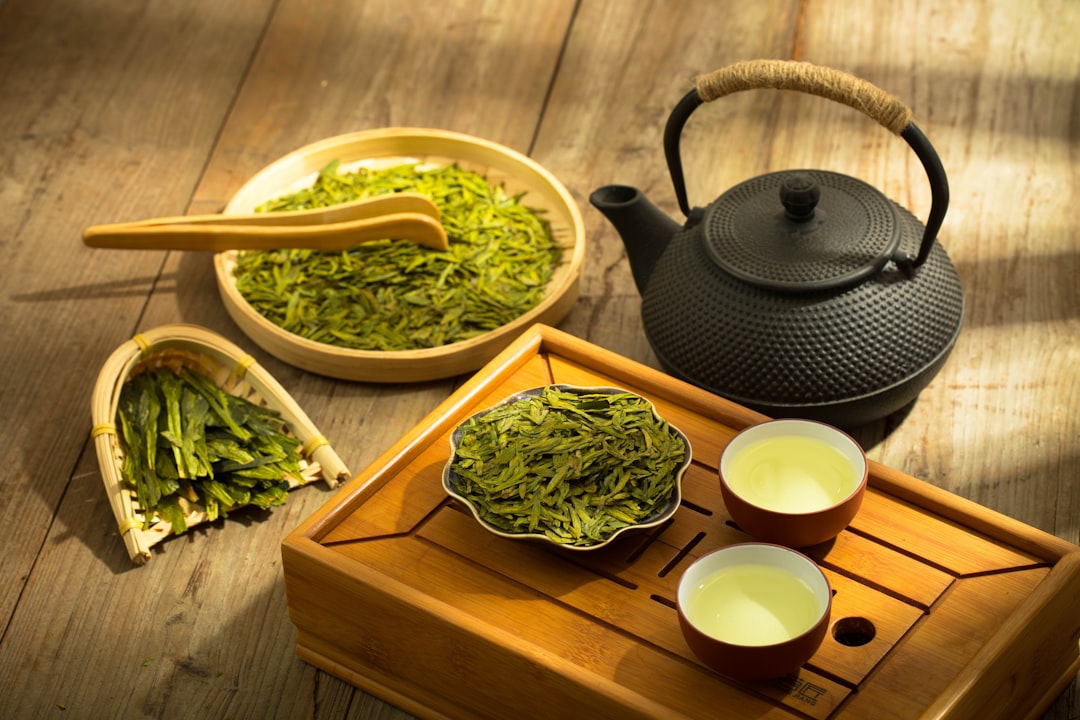
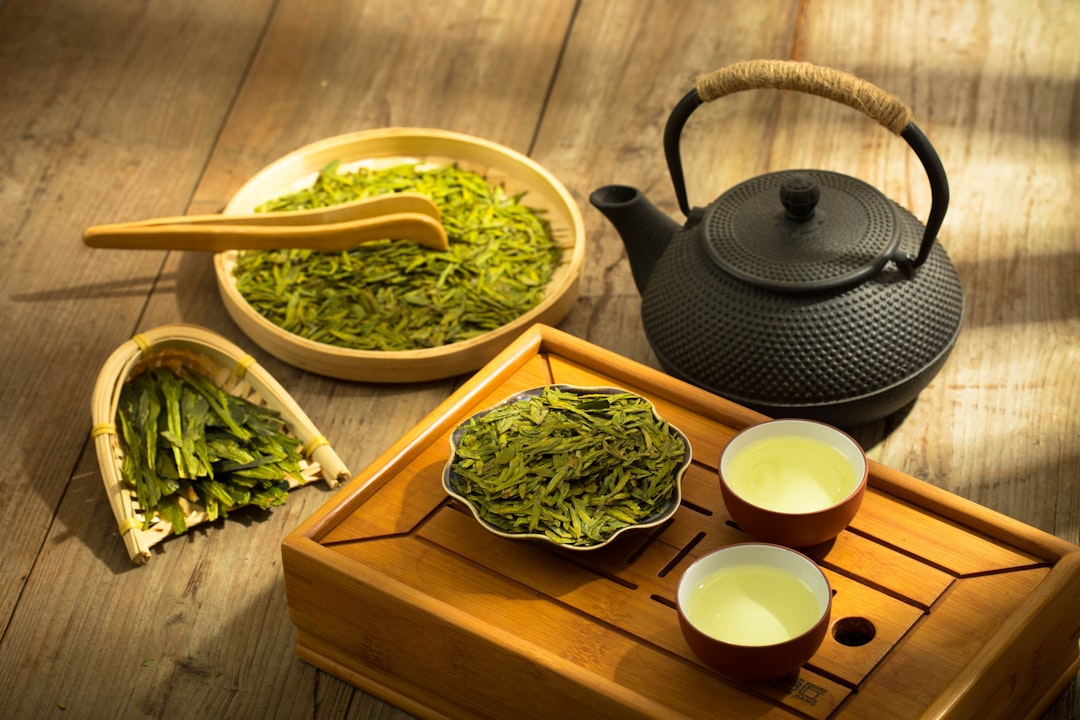
Observe the dry leaves before brewing, noticing their appearance and fragrance. Heat water to the appropriate temperature for your tea type. Green and white teas require cooler water, while black teas handle boiling temperatures. Pour mindfully, watching leaves unfurl and release their essence.
As the tea steeps, practice patience. This waiting period offers space for reflection, deep breathing, or simple stillness. When ready, pour the tea, observing color and aroma. Taste slowly, letting the liquid coat your palate, noticing how flavors evolve from first sip to finish.
Your ceremony might last five minutes or fifty. The duration matters less than the quality of attention you bring. Whether you practice Japanese-style meditation or simply create a morning ritual that centers your day, tea facilitates transformation from routine to ceremony.
The Timeless Appeal: Why Tea Endures
What keeps tea relevant across millennia and cultures? Perhaps it’s the beverage’s unique ability to be simultaneously simple and complex, accessible and sophisticated. A child can enjoy sweet tea, while a connoisseur can spend a lifetime exploring subtle variations in terroir and processing.
Tea accommodates solitude and community equally well. It enhances solo contemplation and facilitates conversation. The beverage adapts to context while maintaining its essential character—warm, comforting, enlivening.
In our contemporary moment, tea’s ceremonial aspects feel particularly valuable. As technology accelerates life’s pace and fragments attention, tea offers counterbalance—a practice rooted in patience, tradition, and sensory engagement. The ritual of tea reminds us that some of life’s most profound experiences emerge from simple acts performed with care and consciousness.
Embracing the Journey Forward
The journey of tea—from wild mountain plants to refined ceremonial beverage—mirrors humanity’s own evolution. We transform raw materials through knowledge, skill, and cultural meaning-making. We create rituals that elevate daily necessities into opportunities for connection, reflection, and transcendence.
As you explore tea culture, whether as casual drinker or devoted enthusiast, remember that you’re participating in a tradition spanning thousands of years and countless cultures. Each cup connects you to farmers in distant mountains, to ancient emperors and Zen monks, to millions of contemporary tea lovers worldwide.
The beauty of tea lies not just in the beverage itself but in the mindful attention it invites. In a world of instant gratification and perpetual distraction, tea persists as a gentle teacher—reminding us to slow down, pay attention, and find ceremony in simplicity. The journey from leaf to cup continues, and each time we brew tea with intention, we honor both ancient wisdom and the present moment’s infinite possibilities.
Let your next cup be more than refreshment. Let it be ceremony, meditation, connection, and celebration—a simple leaf transformed into liquid reverence, one mindful sip at a time.
