
Anúncios
Every wedding celebration is a feast not just for the stomach, but for the soul—a delicious tapestry woven with ancient symbolism and cultural meaning.
When couples exchange vows across the globe, they’re not simply serving dinner to their guests. They’re participating in a profound culinary ritual that has been perfected over centuries, where every ingredient, every dish, and every presentation carries whispered messages about fertility, prosperity, longevity, and eternal love. From the sweetness of honey cakes to the abundance symbolized by fish, wedding foods speak a secret language that transcends borders and connects humanity through our most universal desire: lasting love.
Anúncios
Understanding these edible traditions offers us a window into the heart of different cultures and reveals how food becomes far more than sustenance—it transforms into a powerful symbol that seals matrimonial bonds and invokes blessings for the couple’s journey ahead.
Anúncios
🍯 The Sweet Promise: Honey and Sugar in Marriage Ceremonies
Sweetness has been synonymous with marital happiness since ancient times, and nowhere is this more evident than in the global tradition of incorporating honey and sugar into wedding celebrations. The symbolic connection is obvious yet profound: just as these ingredients delight the palate, may the marriage bring constant joy to both partners.
In Jewish weddings, the tradition of breaking a glass is well-known, but equally significant is the custom of celebrating with honey cake. This dense, spiced confection represents the sweet life the couple hopes to build together. Many Persian Jewish communities take this further with a honey ceremony where the bride and groom dip their fingers in honey and feed each other, literally ensuring their first act as a married couple is one of sweetness.
Greek weddings feature koufeta—sugar-coated almonds carefully arranged in odd numbers (usually five or seven) to symbolize indivisibility. The bitter almond core wrapped in sweet coating represents life’s balance: bitter and sweet moments that couples will weather together. Each of the five almonds traditionally represents health, wealth, happiness, fertility, and longevity.
In Morocco, the bride and groom exchange dates and milk before their ceremony, with honey often drizzled over the dates. This pre-wedding ritual is meant to sweeten their tongues before they speak their vows, ensuring only kind words pass between them throughout their marriage.
🌾 Grains of Abundance: Rice, Wheat, and Seeds
The throwing of rice at newly married couples is perhaps one of the most recognized wedding traditions worldwide, but its meaning runs deeper than mere celebration. Rice, wheat, and various seeds represent fertility, abundance, and prosperity—wishes that the couple’s life together will be as bountiful as a successful harvest.
In Hindu weddings, rice plays a central role in multiple ceremonies. During the Laja Homam ritual, the bride’s brother pours puffed rice into her hands, which she then offers to the sacred fire alongside her groom. This act symbolizes the couple’s readiness to make offerings together and share responsibilities throughout their married life.
Chinese wedding banquets traditionally feature at least eight courses (eight being a lucky number), and rice is an essential component. Sticky rice symbolizes the couple sticking together through difficulties, while rice cakes represent growing prosperity year after year.
Italian weddings incorporate wheat through confetti (not the paper kind, but the sugared almond variety), while traditional ceremonies sometimes included breaking bread over the bride’s head to ensure fertility and fortune. The wheat sheaves once displayed at Italian receptions spoke to hopes for an abundant and nourishing marriage.
The Evolution of Grain Traditions
Modern couples often adapt these grain-based traditions to suit contemporary sensibilities. Many venues now discourage actual rice throwing due to cleanup concerns and myths about birds, leading to creative alternatives like biodegradable confetti, lavender, or flower petals. Yet the symbolic intention remains unchanged—showering the couple with wishes for abundance and fertility.
🐟 Fish and the Wish for Plenty
Fish appear at wedding celebrations across continents, their symbolism rooted in their prolific reproduction. In cultures from Asia to Europe, serving fish at wedding feasts represents wishes for fertility, abundance, and smooth sailing through life’s waters.
Chinese wedding banquets almost always include a whole fish, served complete with head and tail to symbolize completeness and a good beginning leading to a good ending. The fish is never completely consumed—leaving some behind represents surplus and the hope that the couple will always have more than they need.
In Japanese wedding cuisine, tai (sea bream) holds special significance. The word “tai” is part of “omedetai,” meaning congratulations, making this fish an auspicious choice. The red color of the fish also symbolizes celebration and good fortune.
Scandinavian traditions include herring in various preparations at wedding smorgasbords. Beyond symbolizing abundance, the preserved nature of pickled herring suggested that the marriage would be well-preserved and lasting.
Polish weddings traditionally featured carp, particularly around Christmas wedding celebrations. The scales from the carp were sometimes kept in wallets as good luck charms, extending the wedding’s prosperity symbolism beyond the celebration itself.
🍷 Toasting Traditions: Wine, Sake, and Ceremonial Drinks
Beverages at weddings do more than quench thirst or encourage merriment—they serve as ceremonial bridges between families and communities. The act of sharing drinks, often from the same vessel, creates tangible bonds and seals agreements.
The Jewish wedding ceremony includes the sharing of wine at two key moments: during the betrothal blessings and again under the chuppah with the Seven Blessings. The couple drinks from the same cup, symbolizing the life they will now share, with all its joys (sweet wine) and challenges.
In Japanese Shinto wedding ceremonies, the san-san-kudo ritual involves the bride and groom taking three sips each from three different-sized sake cups. This “three-three-nine times” ritual binds not just the couple but their families together. Sometimes parents and family representatives also participate, drinking from the same cups to symbolize the joining of two families into one.
Korean wedding ceremonies feature a special rice wine called jung jong, often served in a gourd cut in half. The bride and groom drink from these matching halves, representing two individuals becoming one union. The wine symbolizes the couple’s commitment to share both prosperity (the intoxicating joy) and hardship (the bitterness that can come with fermentation).
Nigerian Yoruba weddings include the tasting ceremony, where the couple tastes four flavors—sour (lemon), bitter (bitter kola), hot (pepper), and sweet (honey)—representing the different seasons of marriage. While not all are beverages, these elements are often mixed with liquids, and the couple’s willingness to taste all flavors together demonstrates their readiness to face any circumstance united.
🎂 The Centerpiece: Wedding Cakes and Their Hidden Messages
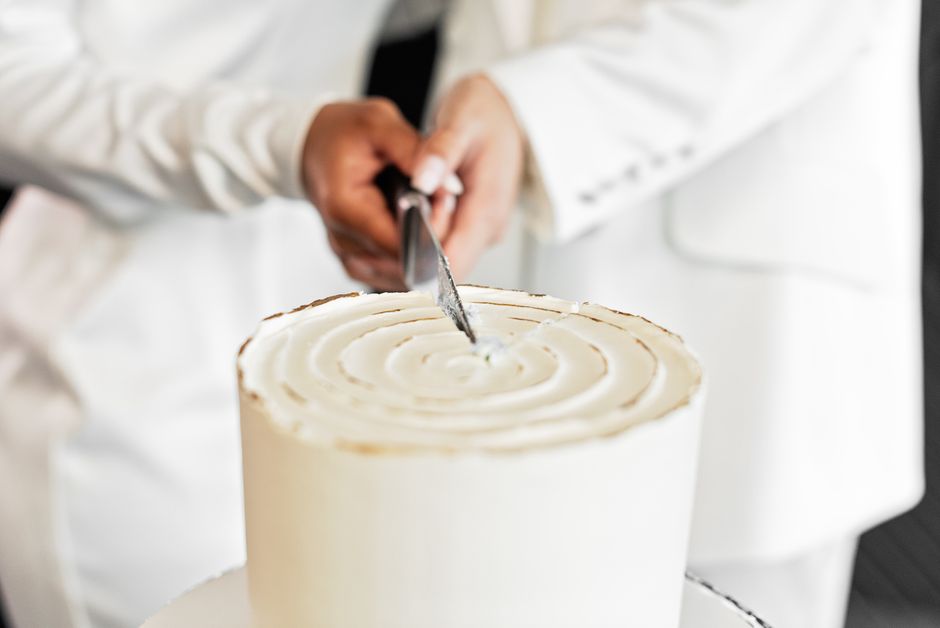
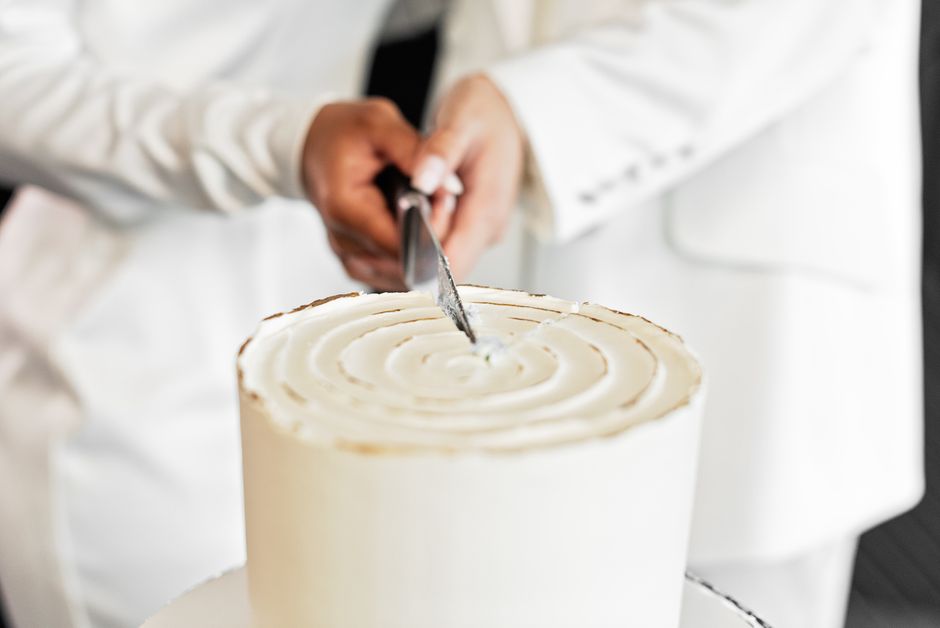
The wedding cake has evolved from simple bread offerings to elaborate multi-tiered masterpieces, yet its symbolic importance has remained constant. More than a dessert, the wedding cake represents prosperity, fertility, and the couple’s new social status.
The modern tiered wedding cake originated in medieval England, where guests would bring small cakes and stack them as high as possible. If the couple could kiss over the towering pile without toppling it, they were guaranteed a lifetime of prosperity. This eventually evolved into the elaborate structures we recognize today.
The tradition of saving the top tier of a wedding cake stems from a time when couples married during harvest season and expected their first child within a year. The saved cake would be served at the christening. Today, many couples freeze their top tier to enjoy on their first anniversary, a sweet reminder of their wedding day.
In Caribbean cultures, particularly Jamaica, the traditional “black cake” is a rum-soaked fruitcake that takes weeks to prepare. Fruits are soaked in rum for months, sometimes years, before being baked into the dense, dark cake. This patience in preparation mirrors the patience and commitment required in marriage.
Cultural Variations on the Wedding Cake
Not all cultures feature a traditional Western-style cake. French weddings often showcase the croquembouche—a tower of cream-filled pastry puffs held together with caramel, symbolizing abundance and good fortune. Norwegian weddings feature kransekake, a tower of almond cake rings that guests break off and eat, with the number of remaining rings supposedly predicting how many children the couple will have.
🥟 Dumplings, Bread, and Wrapped Blessings
Foods that wrap, enclose, or contain fillings carry special meaning at weddings—they represent the wrapping up of blessings, the containment of good fortune, and the couple’s union enclosing their love and commitment.
Chinese weddings frequently feature dumplings (jiaozi), whose shape resembles ancient Chinese gold ingots, symbolizing wealth and prosperity. Making dumplings together is sometimes part of pre-wedding rituals, where family members gather to fold these pockets of fortune while sharing wisdom and blessings with the couple.
In Mexican weddings, tamales often appear as part of the celebration feast. These corn masa parcels wrapped in corn husks represent gifts and blessings wrapped with care. The labor-intensive preparation, usually undertaken by many family members working together, symbolizes community support for the marriage.
Russian weddings traditionally featured karavai, a special braided bread decorated with symbolic ornaments made from dough—rings for unity, birds for happiness, wheat stalks for prosperity. The bread was shared among guests, distributing these blessings throughout the community.
Indian weddings across various regions include different types of wrapped foods. In South Indian ceremonies, betel leaves wrapped around nuts and spices are exchanged, representing the couple’s acceptance of each other. In North Indian celebrations, various fried and wrapped sweets like gujiya symbolize the sweetness and layers of married life.
🌰 Nuts and Seeds: Small Packages of Powerful Symbolism
Despite their small size, nuts and seeds carry enormous symbolic weight at wedding celebrations. Their hard shells protecting nourishing interiors represent protection of the marriage, while their potential to grow into mighty plants symbolizes the couple’s potential to build a strong family.
Almonds appear in wedding traditions worldwide. Beyond the Greek koufeta, Italian weddings feature confetti almonds in different colors, each representing a different blessing. Spanish weddings include almendras garrapiñadas (caramelized almonds), while Middle Eastern celebrations might feature sugared almonds flavored with rose water.
In Turkey, roasted chickpeas and almonds are distributed to wedding guests as şekerleme (sweets), representing wishes that the couple’s life will be as abundant as these plentiful legumes and nuts.
Armenian weddings incorporate pomegranates—fruits that are technically seed-packed berries. The bride might throw a pomegranate against a wall, with the scattering of seeds representing fertility and abundance. The more seeds that scatter, the more prosperous and fertile the marriage will be.
🍖 Meat and Sacrifice: Honoring the Sacred Union
The serving of meat at wedding celebrations often connects to ancient sacrificial traditions, where offering the best livestock honored both the gods and the importance of the marriage union. Today, these traditions continue in various cultural practices.
In many African cultures, the slaughter of cattle or goats for wedding celebrations represents not just abundance but sacrifice—families giving their best to honor the union. In Zulu weddings, the serving of specific meat portions to different family members follows strict protocols that acknowledge relationships and responsibilities within the extended family structure.
Greek Orthodox weddings traditionally roast whole lambs, a practice connecting to both religious sacrifice traditions and celebrations of abundance. The sharing of this meat among all guests reinforces community bonds and collective joy in the marriage.
In Muslim wedding celebrations across various cultures, the serving of meat dishes like biryani, kebabs, or roasted meats represents hospitality and the family’s ability to provide. The abundance of meat dishes demonstrates the family’s respect for guests and the importance of the occasion.
🥂 Breaking Bread Together: The Universal Gesture
Perhaps no food tradition is more universal than the sharing of bread. Across cultures, breaking bread together represents the creation of community, the sharing of resources, and the fundamental human act of nourishing one another.
In Ethiopian and Eritrean weddings, the bride and groom feed each other gursha—morsels of injera bread filled with various dishes. This act of feeding one another demonstrates care, affection, and the commitment to nourish each other throughout marriage.
Celtic handfasting ceremonies sometimes included braided bread, with the braiding representing the intertwining of two lives. Guests would break off pieces, consuming the couple’s blessing and becoming part of their unified journey.
Slavic wedding traditions feature a special wedding bread called korovai, a large round loaf decorated with wheat stalks, birds, and rings made from dough. The size of the bread represents the couple’s future prosperity, while its decoration tells a story of fertility, happiness, and eternal love.
🌸 Edible Flowers and Herbal Blessings
Flowers and herbs in wedding cuisine carry messages that go beyond visual beauty. When incorporated into foods and drinks, these botanical elements add layers of meaning rooted in ancient herbal wisdom and folk traditions.
Middle Eastern weddings often feature rose water in various sweets and drinks. Rose represents love and beauty, and its inclusion in wedding foods symbolizes a marriage perfumed with affection and grace. Orange blossom water serves similar purposes, with the additional symbolism of fertility associated with citrus trees’ abundant fruit production.
English Victorian weddings popularized the language of flowers, incorporating edible blooms like violets (faithfulness), roses (love), and lavender (devotion) into wedding cakes and desserts. This tradition continues in modern botanical wedding cakes adorned with edible flowers.
In Thai weddings, jasmine features prominently not just in decorations but sometimes in desserts and teas. The flower’s sweet fragrance symbolizes the bride’s purity and the sweet nature of the marriage bond.
💝 Modern Interpretations of Ancient Traditions
Today’s couples face the beautiful challenge of honoring cultural food traditions while creating celebrations that reflect their personal values and contemporary contexts. Many are finding creative ways to preserve the symbolic language of wedding foods while adapting to modern dietary preferences, fusion identities, and evolving family structures.
Interfaith and intercultural couples often create fusion menus that honor both backgrounds, finding common symbolic threads. A couple might serve both Chinese dumplings and Italian ravioli, both wrapped foods symbolizing enclosed blessings from different traditions.
Vegan and vegetarian couples are reimagining traditions that centered on meat and animal products, finding plant-based alternatives that carry similar symbolic weight. A coconut-based dessert might replace dairy-based sweets while maintaining the symbolism of sweetness and nourishment.
Sustainability-conscious couples are choosing locally-sourced, seasonal ingredients that honor environmental values while connecting to agricultural abundance traditions. Serving food grown within miles of the celebration venue echoes ancient practices of celebrating with the harvest at hand.
🌍 The Universal Language Love Speaks Through Food
When we examine wedding food traditions from around the world, patterns emerge that transcend cultural boundaries. Sweetness for happiness, abundance for prosperity, shared vessels for unity, and careful preparation for commitment—these themes appear again and again, spoken through different ingredients and preparation methods but conveying the same essential hopes and blessings.
Food at weddings creates memory in the most visceral way. Years later, guests remember not just how a wedding looked, but how it tasted. The flavors become part of the story, woven into the collective memory of the community that witnessed and celebrated the union.
Understanding these culinary traditions deepens our appreciation for the weddings we attend and enriches the celebrations we plan. Each bite becomes meaningful, each shared dish a conversation with ancestors and traditions stretching back through generations.
Whether you’re planning your own wedding or simply attending as a guest, take a moment to consider the secret language being spoken through the foods served. Ask about family traditions, learn the stories behind signature dishes, and recognize that you’re not just eating—you’re participating in an ancient ritual that binds communities together and seals the bonds of love with every shared morsel.
The next time you raise a glass at a wedding toast, crack into a fortune-filled dumpling, or savor a piece of wedding cake, remember that you’re tasting history, culture, and humanity’s collective wisdom about what makes love last. These foods speak a language older than words, more powerful than vows, and as nourishing to the spirit as they are to the body. Through them, we don’t just feed our guests—we feed hope, create connection, and celebrate the mysterious, wonderful alchemy that transforms two individuals into a unified whole, blessed by community and sanctified by tradition as ancient as civilization itself. 🎊
