
Anúncios
Cooking is far more than simply applying heat to food—it’s a sophisticated dance of physics, chemistry, and biology that transforms raw ingredients into complex flavors and textures.
Anúncios
🔥 The Molecular Revolution Happening in Your Kitchen
Every time you light a burner, preheat an oven, or fire up a grill, you’re initiating countless molecular reactions that fundamentally alter the structure of food. Fire, steam, and pressure represent three distinct pathways through which energy transforms ingredients, each creating unique chemical environments that unlock different flavor compounds, textures, and aromas.
Anúncios
Understanding these cooking methods at a molecular level doesn’t just satisfy scientific curiosity—it empowers home cooks and professional chefs alike to make informed decisions about technique, timing, and temperature. The difference between a perfectly caramelized steak and a gray, disappointing piece of meat often comes down to understanding what’s happening beneath the surface.
The Ancient Power of Fire: Direct Heat and Flavor Creation
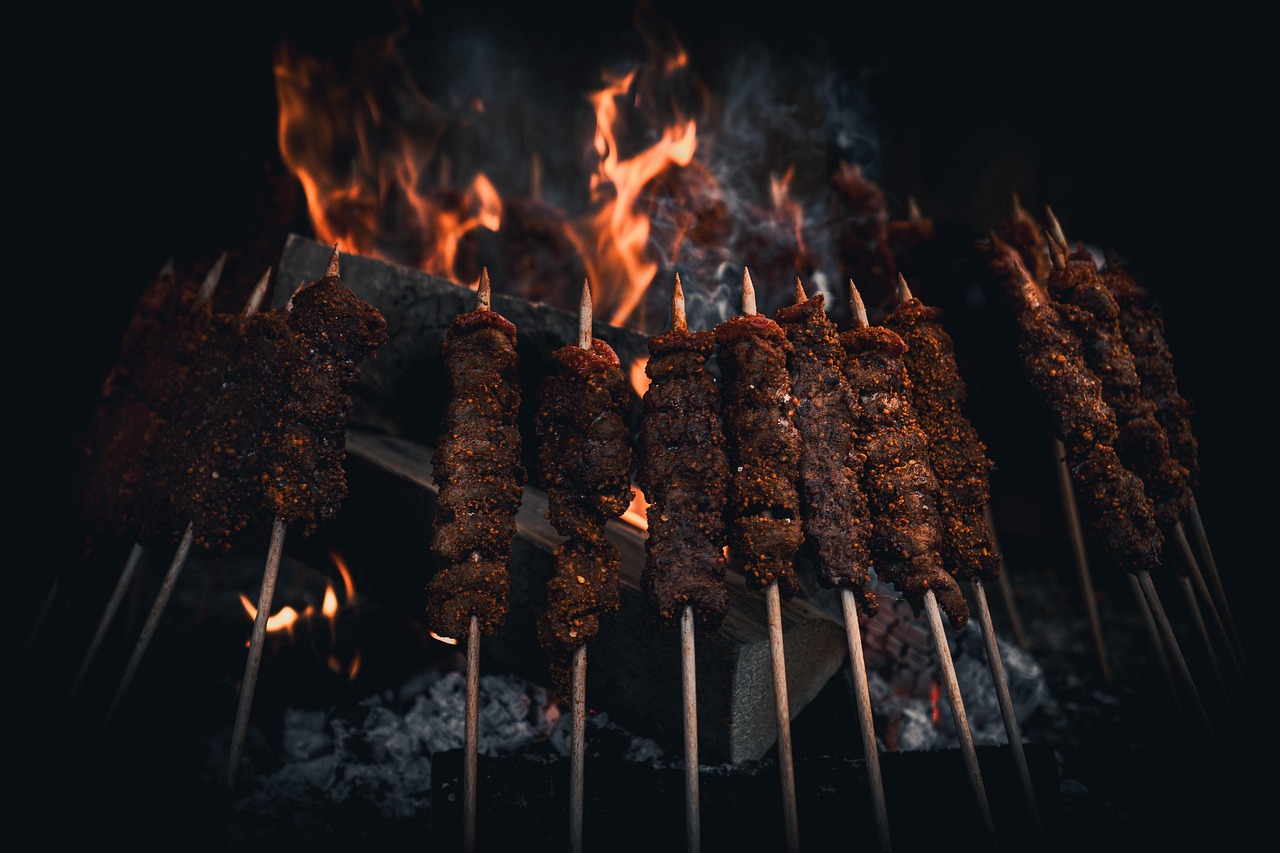
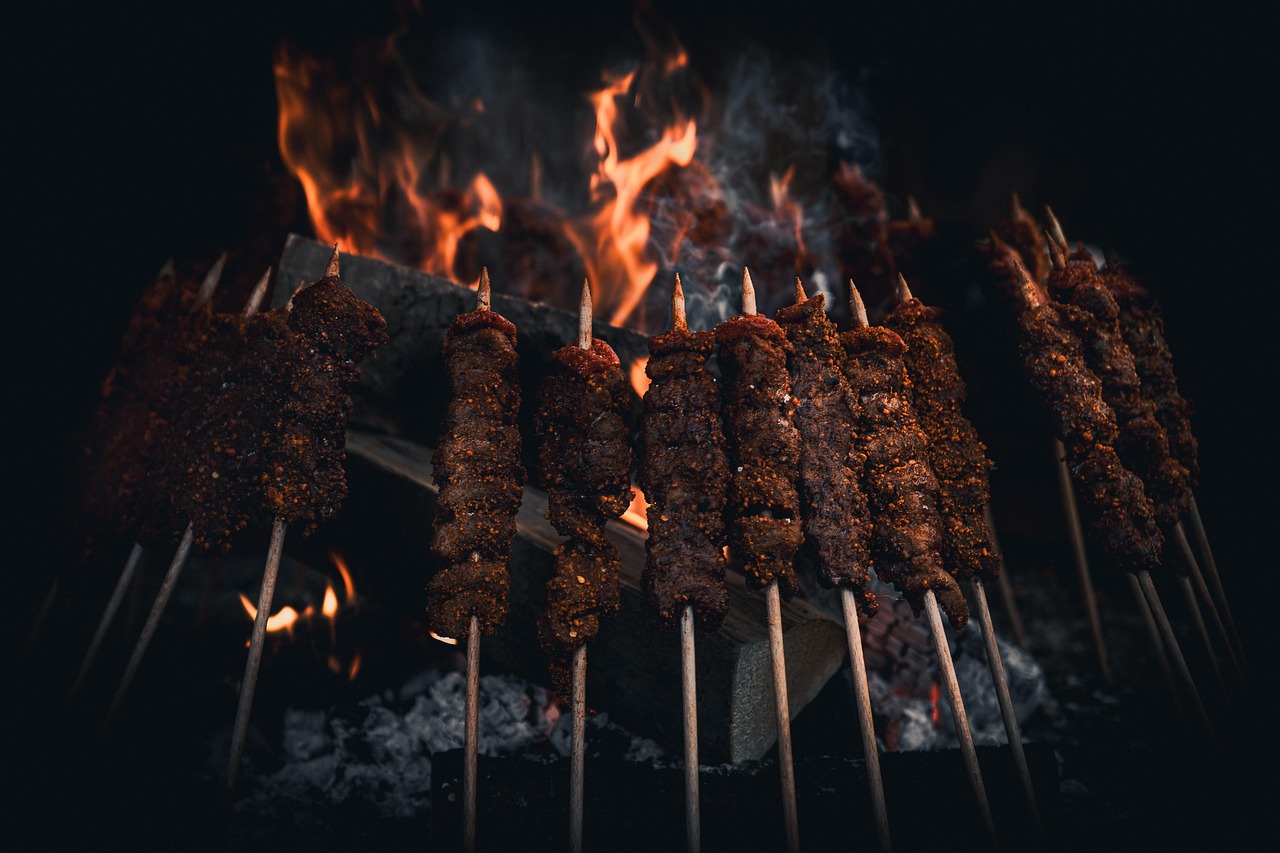
Fire represents humanity’s oldest cooking technology, and it remains one of the most flavor-intense methods available. When food meets direct flame or extremely high heat, several critical reactions occur simultaneously, creating the complex flavor profiles we associate with grilled, roasted, and seared foods.
The Maillard Reaction: Where Flavor Is Born
The Maillard reaction is perhaps the most important flavor-generating process in all of cooking. This chemical reaction occurs between amino acids and reducing sugars when exposed to temperatures above 285°F (140°C). Unlike simple caramelization, which only involves sugars, the Maillard reaction creates hundreds of different flavor compounds.
When you sear a steak over high heat, the surface proteins and sugars undergo this transformation, creating that characteristic brown crust packed with savory, roasted, and slightly nutty flavors. The same reaction gives bread its golden crust, coffee its complex aroma, and roasted vegetables their depth of flavor.
The molecular magic happens when heat provides enough energy to break chemical bonds in amino acids and sugars, allowing them to recombine in new configurations. Each combination produces different flavor molecules—some taste meaty, others nutty, some slightly bitter, and others sweet. This diversity explains why the Maillard reaction creates such complex, layered flavors.
Caramelization: Sugar’s Transformation Through Heat
While closely related to the Maillard reaction, caramelization is a distinct process involving only sugars. When sugars are heated above 320°F (160°C), they begin to break down and reform into hundreds of new compounds, creating the deep amber colors and rich, bittersweet flavors we associate with caramel.
This process occurs when you roast onions until they turn golden and sweet, when you torch the sugar atop crème brûlée, or when you reduce a sauce until it develops deeper color and flavor. The heat breaks down sucrose molecules into glucose and fructose, which then undergo further transformations into complex flavor compounds and brown pigments called caramelans, caramelens, and caramelins.
Smoke: Volatile Compounds That Add Dimension
When cooking with fire, especially wood or charcoal, smoke introduces another layer of flavor complexity. Smoke contains hundreds of volatile compounds created when wood undergoes pyrolysis—decomposition at high temperatures without oxygen.
These compounds include phenols (which taste smoky and slightly medicinal), carbonyls (which contribute sweet and fruity notes), and organic acids (which add sharpness). Different woods produce different ratios of these compounds, which is why hickory smoke tastes different from applewood or mesquite.
The smoke molecules adhere to the surface of food, where they dissolve in fats and moisture, becoming part of the flavor profile. This is why smoked meats, fish, and even vegetables develop such distinctive tastes that can’t be replicated through other cooking methods.
💨 Steam: Gentle Transformation Through Water Vapor
Steam cooking represents a fundamentally different approach to heat transfer. Instead of dry, intense heat that promotes browning reactions, steam surrounds food with water vapor at consistent temperatures, typically around 212°F (100°C) at sea level.
How Steam Preserves While It Cooks
The molecular advantage of steam lies in its ability to transfer heat efficiently while maintaining moisture. Water vapor condenses on the cooler surface of food, releasing latent heat energy in the process. This condensation provides remarkably even heating that penetrates food gently without creating the temperature gradients that dry heat produces.
Because steaming occurs at relatively moderate temperatures, it doesn’t trigger the Maillard reaction or caramelization. This means vegetables retain more of their natural colors, vitamins, and fresh flavors. The antioxidants, vitamin C, and other heat-sensitive nutrients that would break down at higher temperatures remain largely intact.
Steaming also prevents the leaching of water-soluble nutrients that occurs during boiling. When vegetables sit in boiling water, vitamins and minerals dissolve into the cooking liquid. With steaming, the food never touches the water, preserving these valuable nutrients.
Protein Denaturation at Lower Temperatures
Steam still accomplishes the essential task of cooking proteins, but through gentler denaturation. Proteins are long chains of amino acids folded into specific three-dimensional shapes. Heat causes these proteins to unfold and reconnect in new patterns—a process called denaturation.
In fish, for example, steaming causes the muscle proteins to denature and firm up without the extreme heat that would toughen them. The collagen in the fish begins to break down into gelatin, creating a tender, silky texture. The same principle applies to delicate dumplings, custards, and vegetables that benefit from gentle cooking.
Flavor Concentration and Dilution
An interesting molecular consideration with steam is its dual nature regarding flavor. On one hand, steam doesn’t add any flavors to food—there’s no browning, no caramelization, no smoke. This allows the natural flavors of ingredients to shine through without interference.
However, steam can also carry away volatile flavor compounds. Aromatic molecules that would normally concentrate through evaporation can instead be swept away by the steam. This is why steamed dishes often benefit from finishing with flavorful oils, sauces, or aromatics that provide the complexity that the cooking method itself doesn’t generate.
⚡ Pressure: Accelerating Molecular Transformations
Pressure cooking represents one of the most fascinating applications of physics to culinary transformation. By trapping steam inside a sealed vessel, pressure cookers increase the internal pressure, which in turn raises the boiling point of water well above its normal 212°F (100°C).
The Physics of High-Pressure Cooking
Under pressure, water can reach temperatures of 250°F (121°C) or higher while remaining liquid. This increased temperature dramatically accelerates chemical reactions. According to basic chemical kinetics, reaction rates approximately double for every 18°F (10°C) increase in temperature.
This means that processes which normally take hours—like breaking down the tough collagen in meat or softening the cell walls in dried beans—can happen in a fraction of the time. The pressure itself also has mechanical effects, forcing moisture and heat into food more aggressively than atmospheric-pressure cooking.
Collagen Breakdown and Gelatin Formation
One of pressure cooking’s most valuable molecular transformations involves collagen, the tough connective tissue in meat. Collagen molecules are triple helices of protein chains wound tightly together. Heat causes these structures to unwind and break down into gelatin, which is soft, tender, and gives dishes a luxurious, silky mouthfeel.
At atmospheric pressure, this transformation occurs slowly, which is why tough cuts of meat require hours of braising to become tender. Under pressure, the higher temperatures accelerate this breakdown dramatically. A pot roast that would normally require three hours of braising can become fork-tender in just 45 minutes in a pressure cooker.
The gelatin formed from collagen also helps create rich, full-bodied sauces and stocks. When you make bone broth in a pressure cooker, the increased temperature and pressure extract far more collagen from the bones in less time, resulting in a stock that gels firmly when chilled—a sign of high gelatin content.
Starch Gelatinization Under Pressure
Pressure cooking also affects starches in significant ways. Starch granules—found in potatoes, rice, beans, and grains—absorb water and swell when heated, a process called gelatinization. Under pressure, this happens more quickly and completely.
This is why rice and beans cook so much faster in pressure cookers. The higher temperature accelerates water absorption and the breakdown of starch structures. The pressure also helps force water into dried foods like beans that have resistant seed coats, rehydrating them much more efficiently than soaking or conventional boiling.
Flavor Development and Retention
The sealed environment of pressure cooking creates unique conditions for flavor development. Volatile aroma compounds that would normally evaporate during cooking are trapped inside the pot, remaining in the dish rather than dispersing into your kitchen.
This can be both an advantage and a consideration. Delicate herbs and aromatics that benefit from some evaporation to mellow their flavors can become overpowering in a pressure cooker. Conversely, expensive ingredients like saffron or vanilla retain more of their aromatic compounds, making them more efficient flavor investments.
🔬 Comparing Molecular Outcomes Across Methods
Each cooking method—fire, steam, and pressure—creates distinctly different chemical environments that produce different results even with identical ingredients. Understanding these differences helps you choose the right technique for your desired outcome.
| Cooking Method | Temperature Range | Key Reactions | Best For |
|---|---|---|---|
| Fire (Grilling/Roasting) | 300-500°F+ | Maillard reaction, caramelization, smoke absorption | Developing complex flavors, creating crusts, adding smokiness |
| Steam | 212°F | Gentle protein denaturation, nutrient preservation | Delicate foods, preserving natural flavors and colors |
| Pressure | 250°F+ | Accelerated collagen breakdown, rapid starch gelatinization | Tough cuts, dried legumes, time-efficient cooking |
The Intersection of Methods: Hybrid Techniques
The most sophisticated cooking often combines multiple methods to leverage the molecular advantages of each. A classic example is braising, which typically begins with searing (fire) to develop Maillard flavors, then transitions to moist, gentle cooking (similar to steaming) to break down tough connective tissue.
Pressure-then-broil techniques have become increasingly popular with modern pressure cookers. You might pressure-cook ribs until the collagen breaks down completely, then finish them under a broiler or on a grill to create the caramelized, crusty exterior that pressure cooking alone cannot produce.
Similarly, vegetables might be briefly steamed to achieve the perfect texture, then quickly seared in a hot pan to add Maillard-generated flavor complexity. This approach gives you the nutrient preservation and even cooking of steam with the flavor depth of high-heat browning.
Temperature Control: The Key to Molecular Precision
Regardless of your chosen method, temperature control determines which molecular reactions occur and how quickly. Different proteins denature at different temperatures, sugars caramelize at specific heat thresholds, and the Maillard reaction requires minimum temperatures to proceed.
Egg whites begin to set around 145°F (63°C), while yolks start firming at 150°F (65°C). Collagen in beef begins breaking down around 160°F (71°C) but accelerates significantly above 180°F (82°C). Fish proteins denature as low as 120°F (49°C), which is why fish requires such careful, gentle cooking.
Modern cooking increasingly embraces precision temperature control, whether through sous vide equipment, carefully monitored oven temperatures, or infrared thermometers for grilling. This precision allows cooks to target specific molecular transformations while avoiding unwanted ones.
Water Activity and Molecular Mobility
An often-overlooked factor in cooking transformations is water activity—essentially how available water molecules are to participate in chemical reactions. Fire-based cooking typically reduces water activity at food surfaces through evaporation, which concentrates flavors and enables browning reactions that can’t occur in wet environments.
Steam cooking maintains high water activity, keeping food moist and preventing concentration effects. Pressure cooking exists in an interesting middle ground—high moisture content but also high enough temperatures to drive some concentration through accelerated reactions.
The presence or absence of water profoundly affects which flavor compounds can form. Many aromatic molecules are volatile and hydrophobic, meaning they develop and concentrate better in low-moisture environments. This is why roasted vegetables taste so different from steamed ones, even when cooked to the same level of tenderness.
🎯 Practical Applications: Choosing Your Method
Understanding the molecular science behind each cooking method allows you to make strategic decisions in the kitchen based on your ingredients and desired outcomes.
- Choose fire-based methods when you want complex, layered flavors with textural contrast between crusty exteriors and tender interiors. Ideal for steaks, roasted vegetables, pizza, and bread.
- Choose steam when preserving natural flavors, colors, and nutrients is paramount, or when cooking delicate items that would fall apart or dry out with more aggressive heat. Perfect for fish, dumplings, and green vegetables.
- Choose pressure when time efficiency matters or when you need to transform tough, collagen-rich ingredients into tender, gelatinous results. Excellent for stews, stocks, beans, and tough cuts of meat.
- Combine methods when you want the benefits of multiple approaches—like using pressure for tenderness, then fire for flavor development.
The Future of Cooking: Technology Meets Tradition
As our understanding of cooking chemistry deepens, new technologies emerge that give cooks unprecedented control over molecular transformations. Induction cooktops provide precise temperature control, sous vide circulators maintain exact water temperatures, and modern pressure cookers offer programmable cooking profiles.
Yet these technologies don’t replace traditional methods—they enhance them. A charcoal grill still produces smoke compounds that no modern appliance can replicate. A well-seasoned cast-iron pan develops polymerized oil surfaces that contribute unique flavors. The best cooking often blends traditional wisdom with scientific understanding.
Transforming Ingredients Into Extraordinary Experiences
The molecular transformations that occur when fire, steam, or pressure meets food represent some of nature’s most beautiful chemistry. Every time you cook, you’re orchestrating reactions that break down tough proteins into tender gelatin, that create hundreds of flavor compounds from simple amino acids and sugars, or that preserve delicate nutrients while making food safe and delicious.
By understanding what happens at the molecular level, you transform from someone who merely follows recipes into a cook who truly understands their craft. You’ll know why your steak needs a screaming-hot pan, why your dumplings benefit from gentle steam, and why your pot roast becomes fork-tender under pressure.
This knowledge doesn’t remove the art from cooking—it enhances it. You’ll develop an intuition for when to apply high heat and when to use gentle warmth, when moisture helps and when it hinders, when time is essential and when pressure can compress hours into minutes. The science illuminates the path, but your creativity, judgment, and personal taste determine the destination.
The next time you light your stove, preheat your oven, or seal your pressure cooker, remember that you’re not just cooking—you’re conducting a molecular symphony where heat energy transforms simple ingredients into complex, flavorful, nourishing food. Understanding the chemistry doesn’t diminish the magic; it deepens your appreciation for the remarkable transformations happening right in your kitchen.
