
Anúncios
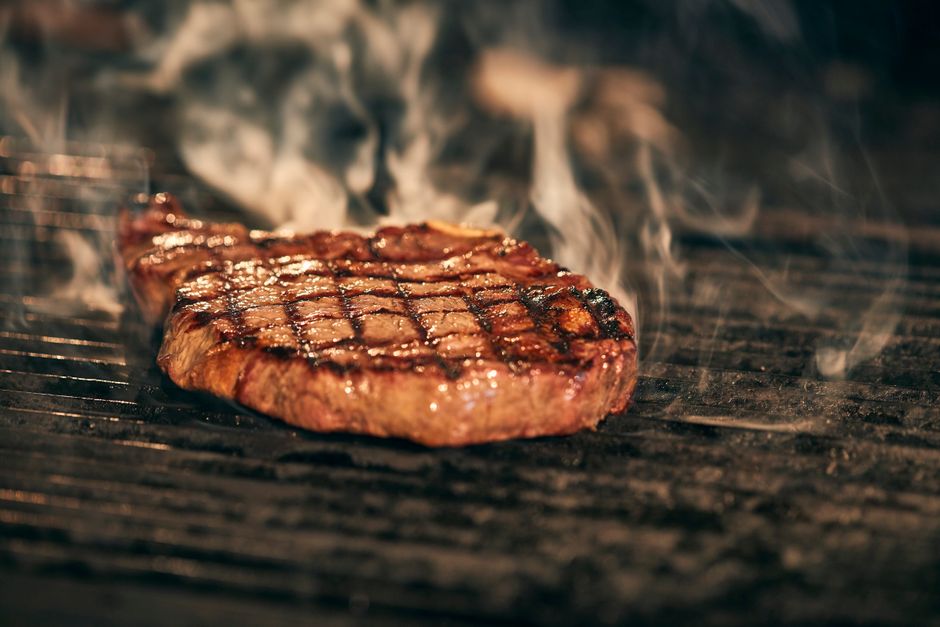
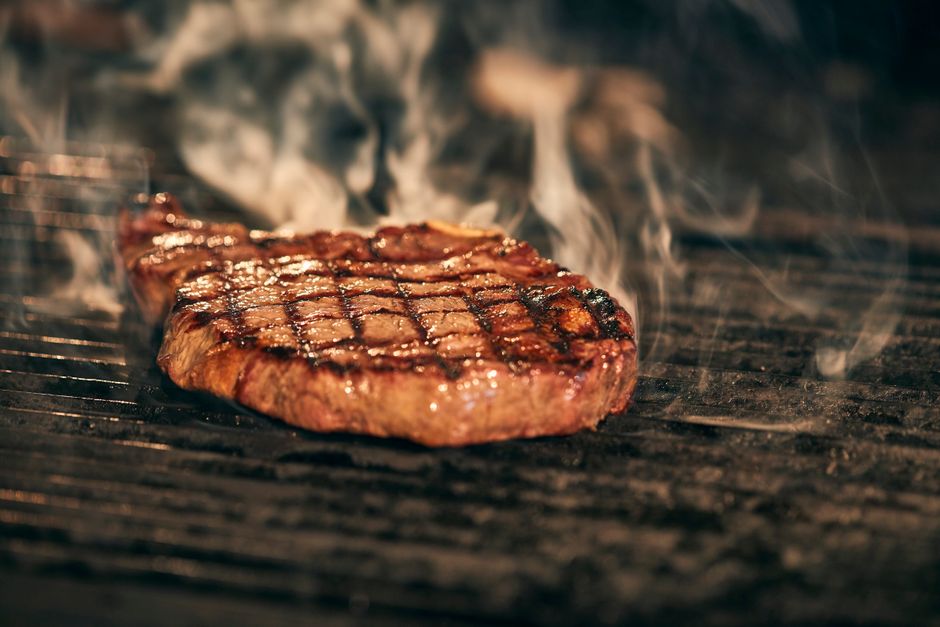
Smoke has shaped human cuisine for millennia, transforming raw ingredients into flavorful delicacies through ancient preservation techniques that remain relevant today.
Anúncios
🔥 The Ancient Origins of Smoking: From Survival to Sophistication
Long before refrigeration existed, our ancestors discovered that exposing meat and fish to smoke could extend their shelf life dramatically. This wasn’t merely a happy accident—it represented one of humanity’s earliest applications of chemistry to food science. Archaeological evidence suggests that smoking techniques emerged independently across multiple civilizations, from the Vikings preserving salmon in Nordic regions to indigenous peoples of the Americas creating pemmican and smoked venison.
Anúncios
The practice began as pure necessity. Hunter-gatherer societies needed methods to preserve their catches during periods of abundance for leaner times ahead. Fire was already central to human life, and the observation that meat hung near cooking fires lasted longer than fresh meat would have been intuitive. What started as practical survival evolved into deliberate craftsmanship as communities refined their techniques over generations.
Different cultures developed distinct approaches based on available resources. Native American tribes constructed dedicated smokehouses, while Pacific Islander communities utilized volcanic vents for natural smoking. In medieval Europe, entire rooms within homes were designated as smoking chambers, where hams and sausages hung from rafters above constantly smoldering fires.
The Science Behind the Smoke: Chemistry That Preserves and Flavors
Understanding why smoking works requires examining the complex chemical processes at play. When wood burns at controlled temperatures, it releases hundreds of volatile compounds that interact with food surfaces in remarkable ways. These compounds don’t just add flavor—they fundamentally alter the food’s composition to resist spoilage.
The primary preservative action comes from several mechanisms working in concert. First, smoke deposits antimicrobial compounds like phenols, carbonyls, and organic acids onto the food surface. These substances actively inhibit bacterial growth and prevent enzymatic degradation. Second, the smoking process dehydrates the outer layers of food, creating an environment hostile to microorganisms that require moisture to thrive.
Phenolic compounds deserve special attention in this chemical equation. Substances like guaiacol, syringol, and catechol not only contribute to that characteristic smoky aroma but also function as powerful antioxidants. They prevent fat oxidation, which is the primary cause of rancidity in preserved meats. This dual role—flavoring and preserving—made smoking invaluable long before anyone understood the underlying chemistry.
Temperature Zones: Hot Smoking Versus Cold Smoking
Not all smoking happens at the same temperature, and this distinction dramatically affects both preservation and flavor profiles. Cold smoking typically occurs between 68°F and 86°F (20°C to 30°C), exposing food to smoke without cooking it. This technique requires extended periods—sometimes several days—and produces delicacies like smoked salmon, certain cheeses, and traditional European sausages.
Hot smoking, conversely, combines cooking with smoking at temperatures ranging from 126°F to 176°F (52°C to 80°C) or higher. This method fully cooks the food while imparting smoky flavors, creating products like barbecue brisket, smoked chicken, and hot-smoked trout. The Maillard reaction—that beautiful browning process—occurs during hot smoking, adding layers of complexity to the flavor profile.
🌳 Wood Selection: The Artist’s Palette of Flavor
Choosing the right wood for smoking ranks among the most critical decisions in the craft. Different woods burn with distinct chemical signatures, each imparting unique flavor characteristics. This selection process represents where science meets artistry, as practitioners match wood types to specific foods based on centuries of accumulated wisdom.
Hardwoods remain the gold standard for smoking because they burn cleanly and produce desirable flavor compounds. Softwoods like pine and spruce contain excessive resins and sap that create acrid, unpleasant tastes. The cellular structure of hardwoods allows for slower, more controlled combustion, generating steady smoke over extended periods.
Hickory stands as perhaps the most iconic smoking wood in American barbecue traditions. Its strong, bacon-like flavor pairs beautifully with pork and beef, though it can overpower more delicate proteins. Mesquite, popular in Texas-style barbecue, burns hot and produces intense, earthy smoke ideal for quick-cooking items. Oak offers versatility with its medium flavor intensity, making it suitable for virtually any protein.
Fruitwoods bring subtler, sweeter notes to the smoking process. Apple wood imparts mild, slightly fruity flavors that complement poultry and pork without overwhelming them. Cherry wood adds a hint of sweetness and produces an attractive mahogany color on meat surfaces. Pecan delivers nutty undertones that work exceptionally well with game meats and robust fish like salmon.
Regional Wood Traditions Around the Globe
Geographic availability shaped smoking traditions worldwide. In Japan, cherry wood (sakura) dominates traditional smoking practices, contributing to the delicate flavor profiles found in Japanese preserved fish. Scandinavian countries favored alder and juniper, creating the distinctive taste profiles in Nordic smoked salmon and reindeer meat.
Mediterranean regions incorporated olive wood, which burns slowly and produces aromatic smoke with subtle fruity notes. In Australia, indigenous communities used eucalyptus and acacia varieties, though eucalyptus requires careful application due to its potent oils. These regional variations demonstrate how smoking traditions evolved in harmony with local ecosystems.
Cultural Tapestry: Smoked Foods Across Civilizations 🌍
Every culture that mastered fire eventually developed smoking traditions, yet each civilization put its unique stamp on the technique. These variations reflect not just different ingredients and woods, but fundamentally different philosophies about food, preservation, and flavor.
European Heritage: From Kippers to Kielbasa
European smoking traditions showcase remarkable diversity across relatively compact geography. Scotland became legendary for its smoked salmon and kippers—herring split, salted, and cold-smoked to golden perfection. The process developed in fishing villages where abundant catches needed preservation before reaching inland markets.
Germany elevated meat smoking to high art with dozens of regional sausage varieties. Westphalian ham, cold-smoked over beech and juniper for months, achieved protected designation of origin status. Polish kielbasa traditions vary by region, with some versions incorporating specific spice blends alongside smoking techniques passed through generations.
In Iceland, traditional hákarl involves fermenting Greenland shark, then hanging it to smoke-dry in specialized sheds. While controversial among modern palates, this preparation method solved the challenge of utilizing shark meat containing high levels of urea and trimethylamine oxide—compounds that become tolerable only after extended curing and smoking.
Asian Innovations: Subtlety and Balance
Asian smoking traditions often emphasize restraint and balance rather than bold smokiness. Chinese cuisine employs smoking as one element in complex preparations, such as tea-smoked duck where camphor wood and tea leaves create aromatic smoke that flavors pre-cooked poultry. This technique showcases smoking as a finishing touch rather than primary preservation method.
Japanese katsuobushi represents perhaps the most extreme smoking tradition globally. Fresh skipjack tuna undergoes repeated cycles of smoking, drying, and mold cultivation over six months, transforming soft fish into wood-hard blocks. Shaved into paper-thin flakes, katsuobushi forms the backbone of dashi stock, fundamental to Japanese cuisine.
Indian cuisine incorporates smoke through dhungar, a technique where hot charcoal is placed in a small bowl within a larger vessel of cooked food, drizzled with ghee, then covered to trap the smoke. This method infuses dishes with smoky essence without actual smoking, demonstrating cultural adaptation of smoke flavoring principles.
The Americas: Barbecue Kingdoms and Beyond
Indigenous peoples throughout the Americas developed sophisticated smoking techniques millennia before European contact. The Caribbean term “barbacoa”—source of our word “barbecue”—originally described wooden frameworks for smoking meat over indirect heat. These traditions merged with European and African influences to create regional American barbecue styles.
North Carolina vinegar-based pulled pork, Texas beef brisket, Kansas City ribs slathered in thick tomato-based sauce, and Memphis dry-rubbed ribs each represent distinct philosophical approaches to smoking. These aren’t merely recipe variations—they reflect cultural identities fiercely defended by their practitioners.
South American communities developed charqui, the precursor to modern jerky, by combining smoking with salt-curing and sun-drying. This portable, protein-dense food fueled long-distance travel across vast territories. Patagonian communities smoked guanaco and rhea, adapting techniques to available game and environmental conditions.
🥓 Modern Applications: Ancient Technique Meets Contemporary Cuisine
Contemporary chefs have rediscovered smoking as more than preservation—it’s become a sophisticated flavoring technique adaptable to ingredients our ancestors never considered smoking. This renaissance has spawned innovation while respecting traditional foundations.
Smoked cocktails exemplify this creativity. Bartenders trap smoke under inverted glasses to infuse spirits with aromatic compounds, creating complex flavor layers. Smoked salts, oils, and even smoked water allow chefs to incorporate smoke flavors into dishes where direct smoking would be impractical.
Vegetables have emerged as exciting candidates for smoking. Smoked tomatoes intensify into umami-rich bases for sauces. Smoked eggplant develops creamy texture and deep flavor perfect for dips like baba ganoush. Even delicate items like smoked butter and cheeses demonstrate how smoking techniques continue evolving beyond meat preservation.
Technology Enters the Smokehouse
While purists advocate for traditional methods, modern technology has democratized smoking. Electric smokers with precise temperature controls remove much of the guesswork, making the craft accessible to home cooks. Pellet smokers automatically feed compressed wood pellets, maintaining consistent smoke production for hours without constant monitoring.
Handheld smoking guns allow chefs to apply cold smoke to finished dishes tableside, creating theatrical presentations while imparting subtle smoky notes. These devices epitomize how smoking has transformed from preservation necessity to culinary flourish, though they lack the depth achieved through traditional extended smoking.
Commercial liquid smoke—condensed smoke compounds suspended in water—generates controversy among traditionalists. While chemically similar to natural smoke, it lacks complexity and can taste artificial when overused. However, it provides accessibility and consistency valuable in industrial food production and home kitchens lacking smoking equipment.
Health Considerations: Balancing Tradition and Modern Understanding 💪
Modern nutritional science has complicated our relationship with smoked foods. Research reveals that certain combustion byproducts—particularly polycyclic aromatic hydrocarbons (PAHs) and heterocyclic amines—present potential health concerns when consumed regularly in large quantities. These compounds form during incomplete combustion and can deposit on food surfaces.
Context matters enormously here. Occasional consumption of properly smoked foods poses minimal risk for most people. Problems arise with daily consumption of heavily smoked products or improperly smoked items where flames directly contact meat, creating charring and excessive PAH formation.
Traditional cold smoking, when performed correctly with clean smoke and proper ventilation, minimizes these concerns. The lower temperatures prevent formation of many problematic compounds that develop during high-heat cooking. Modern commercial smoking operations employ filtration systems and carefully controlled conditions to reduce unwanted chemical formation.
Balance remains key. Smoked foods can absolutely occupy a place in healthy diets when consumed mindfully. Pairing them with antioxidant-rich vegetables, limiting portions, and choosing quality producers who prioritize clean smoking practices all contribute to maximizing enjoyment while minimizing concerns.
🎨 The Craft Continues: Preserving Traditional Knowledge
As industrial food production dominates modern markets, artisanal smokers preserve techniques that might otherwise disappear. Small producers maintain traditional smokehouses, using methods unchanged for generations. This preservation represents more than nostalgia—it safeguards cultural heritage and flavor profiles impossible to replicate through shortcuts.
Organizations worldwide work to document traditional smoking methods before they vanish. UNESCO’s recognition of certain food traditions as intangible cultural heritage highlights smoking’s importance beyond mere cuisine—it represents human ingenuity, regional identity, and accumulated wisdom spanning millennia.
Younger generations increasingly appreciate these traditions, driving revival of heritage smoking techniques. Farmers’ markets showcase artisan-smoked products, connecting consumers with producers who can explain their processes. This transparency rebuilds trust and appreciation for craftsmanship that industrial production cannot match.
The Future of Smoke: Innovation Honoring Tradition
Looking forward, smoking techniques will likely continue evolving while maintaining connections to foundational principles. Research into specific wood compounds may allow precise flavor engineering, combining scientific understanding with traditional wisdom. Climate change may shift which woods remain available, requiring adaptation of regional traditions.
Sustainability concerns increasingly influence smoking practices. Responsible sourcing of hardwoods, efficient smoker designs that minimize fuel consumption, and exploration of alternative smoking materials like grapevine cuttings or herb stems all reflect growing environmental consciousness among practitioners.
The essence remains unchanged: humans transforming raw ingredients through controlled application of smoke, creating flavors that connect us to ancestors who first hung meat above fires. This continuity across millennia—from survival necessity to celebrated craft—demonstrates smoking’s fundamental place in human culinary heritage. Whether in high-end restaurants or backyard smokers, the ancient alchemy of wood, fire, and food continues captivating our senses and nourishing our connection to food traditions that transcend borders and eras.
Smoked foods represent far more than preserved protein or flavored delicacies. They embody human innovation, cultural identity, and our eternal relationship with fire—that first technology that separated us from other species and continues shaping how we eat today. 🔥
