
Anúncios
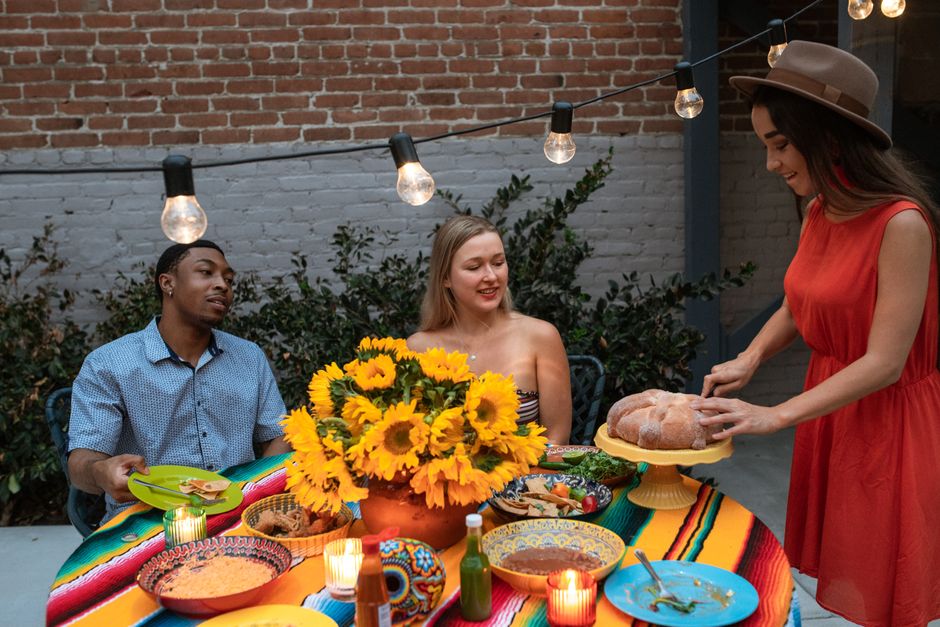
Bread is more than sustenance—it’s a thread woven through human civilization, connecting cultures, faiths, and families in a shared ritual of breaking and sharing.
Anúncios
🍞 The Ancient Origins of Our Daily Bread
Archaeological evidence suggests that bread-making predates agriculture itself, with our ancestors experimenting with wild grains over 30,000 years ago. The earliest bread was likely a simple mixture of ground grains and water, cooked on hot stones. This humble beginning would eventually transform into one of humanity’s most significant culinary achievements.
Anúncios
The transition from nomadic hunting and gathering to settled agricultural communities was intimately tied to grain cultivation and bread production. Ancient Egyptians are credited with discovering leavened bread around 3000 BCE, revolutionizing baking by harnessing the power of wild yeast. This innovation didn’t just improve taste and texture—it fundamentally changed social structures, creating specialized roles for bakers and establishing bread as a form of currency and measure of wealth.
In Mesopotamia, bread varieties numbered in the hundreds, each with specific purposes ranging from everyday consumption to religious offerings. The Code of Hammurabi, one of humanity’s oldest legal documents, included regulations governing bakers and bread prices, underscoring its economic importance. Meanwhile, ancient Greeks developed more than seventy types of bread, incorporating honey, oils, and seeds, transforming bread from simple sustenance into culinary art.
Sacred Loaves: Bread in Religious and Spiritual Traditions
Few foods carry the spiritual weight that bread does across world religions. In Christianity, bread occupies the central position in the Eucharist, where it represents the body of Christ. The Lord’s Prayer itself asks for “our daily bread,” elevating this simple food to a divine gift. Throughout Christian history, the act of breaking bread has symbolized community, sacrifice, and spiritual nourishment.
Jewish tradition holds bread in equally high regard, particularly the challah served during Shabbat and holidays. The braided loaf represents unity and the interconnectedness of spiritual and physical sustenance. During Passover, unleavened bread (matzah) commemorates the Israelites’ hasty exodus from Egypt, serving as an edible reminder of liberation and faith. The ritual of placing a cloth over challah before blessing acknowledges bread’s sacred nature, protecting it from “embarrassment” before wine is blessed first.
In Islam, bread is treated with profound respect—dropping bread is considered wasteful, and any piece found on the ground should be picked up and placed where it won’t be trampled. The breaking of bread at iftar, the meal breaking the Ramadan fast, creates powerful communal bonds. Many Muslim cultures believe that sharing bread creates an unbreakable connection between individuals, making the phrase “there is bread and salt between us” a declaration of loyalty.
Hindu traditions incorporate bread-like flatbreads such as chapati and puri into religious ceremonies and daily worship. These simple wheat preparations are often offered to deities before being shared among devotees as prasad—blessed food. Buddhist monks historically relied on donated bread as part of their alms, making bread-giving an act of spiritual merit.
Cultural Identity Baked Into Every Loaf
Travel anywhere in the world, and you’ll discover that bread reflects local geography, climate, history, and values. The type of bread a culture produces tells stories about available resources, technological development, and social priorities.
France’s relationship with bread borders on the reverential. The baguette, with its crispy crust and airy interior, is so culturally significant that French law regulates its production. Traditional baguettes can only contain four ingredients: flour, water, salt, and yeast. Approximately 30,000 boulangeries across France produce 6 billion baguettes annually—that’s roughly half a baguette per person per day. The morning ritual of purchasing a fresh baguette isn’t merely about acquisition; it’s a social institution reinforcing community connections and maintaining quality standards.
Germany boasts over 3,000 registered bread varieties, more than anywhere else globally. German bread culture, particularly dense rye and whole-grain loaves, reflects the country’s northern climate and practical approach to nutrition. These substantial breads provide lasting energy and exceptional keeping qualities—critical factors in colder regions with shorter growing seasons. The German Bread Institute (Deutsches Brotinstitut) preserves baking traditions and promotes bread culture, recognizing bread as intangible cultural heritage.
Flatbreads: Ancient Solutions to Universal Needs
Flatbreads represent humanity’s oldest bread-making tradition and remain dietary staples across continents. These unleavened or minimally leavened breads require no complex equipment—just heat, grain, and water—making them accessible to cultures at all technological levels.
India’s bread landscape showcases remarkable diversity: chapati, naan, paratha, puri, roti, and dosa each serve different purposes and occasions. Chapati, the everyday unleavened flatbread, appears at nearly every Indian meal, serving as both food and utensil. Naan, traditionally cooked in tandoor ovens, carries Persian influences and often accompanies special occasions. These breads don’t merely accompany meals—they’re integral to eating practices, used to scoop and wrap foods, creating a tactile, communal dining experience.
Middle Eastern cultures have perfected pita bread, whose characteristic pocket forms from high-heat baking that creates steam, separating the dough into two layers. This ingenious design creates a natural container for fillings, influencing regional cuisines from falafel to shawarma. Similarly, lavash, the thin Armenian flatbread, can be dried and stored for months, then rehydrated—a practical solution for nomadic peoples and mountainous regions.
Mexican tortillas, whether corn or wheat, anchor one of the world’s great cuisines. Corn tortillas connect contemporary Mexico to ancient Mesoamerican civilizations, where corn wasn’t just food but sacred—the substance from which gods created humanity according to Mayan mythology. The process of nixtamalization, treating corn with lime water, was developed thousands of years ago and remains essential for proper tortilla production, enhancing nutrition and flavor.
Breaking Bread: The Universal Language of Hospitality
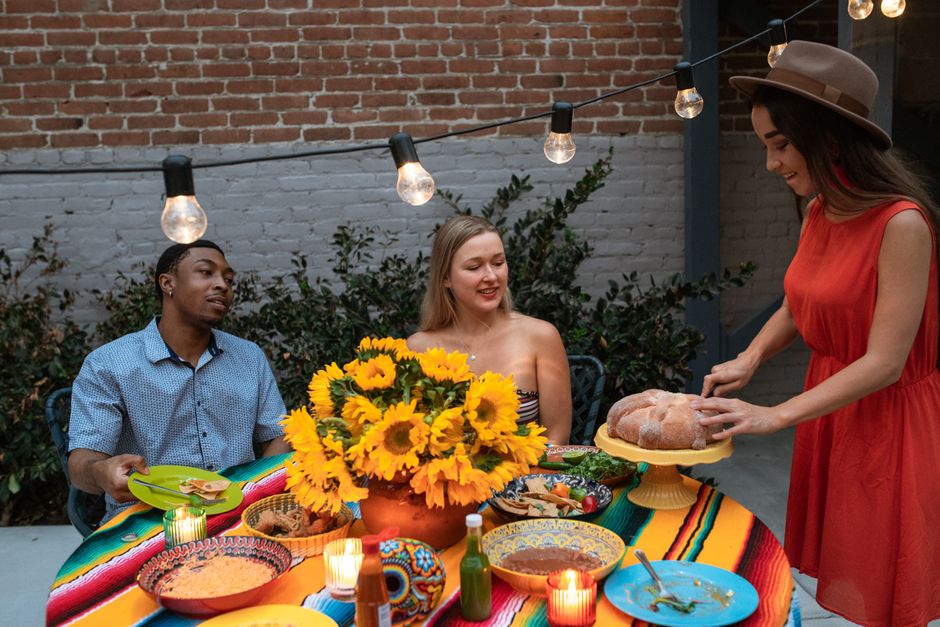
The phrase “breaking bread” transcends literal meaning, symbolizing peace, acceptance, and shared humanity. Across cultures, offering bread to guests represents the highest form of welcome, transforming strangers into honored visitors.
In Arab cultures, the tradition of hospitality (diyafa) places bread-sharing at its center. Bedouin customs dictate that anyone who shares your bread and salt comes under your protection. This sacred obligation persists for three days and extends to safe passage through your territory. Such traditions aren’t merely historical curiosities—they continue shaping social interactions and ethical frameworks in contemporary Middle Eastern societies.
Russian hospitality traditionally greets important guests with bread and salt (khleb-sol), presented on an embroidered cloth. This ceremony symbolizes prosperity (bread) and loyalty (salt), with the guest expected to break off a piece, dip it in salt, and eat it. Similar customs appear throughout Slavic cultures, demonstrating shared values around bread as the ultimate welcoming gift.
Ethiopian injera exemplifies communal eating, where diners gather around a large shared platter, using pieces of this spongy sourdough flatbread to scoop food. The gursha tradition—placing food directly into another person’s mouth—strengthens social bonds and demonstrates affection and respect. This practice transforms eating from individual sustenance into an intimate social ritual.
Economic and Social Hierarchies: From White to Brown
Throughout history, bread type has signaled social status, with whiter bread generally associated with wealth and refinement. This hierarchy reflects milling technology and grain availability rather than nutritional wisdom.
In medieval Europe, the aristocracy consumed fine white bread (manchet), while peasants ate coarse dark breads made from rye, barley, or mixed grains. This wasn’t merely preference—white flour required extensive sifting and processing, making it expensive and scarce. The Catholic Church reinforced these divisions by requiring white communion wafers, associating purity and holiness with whiteness.
The Industrial Revolution democratized white bread through mechanized milling, though nutritional understanding lagged behind production capacity. By the mid-20th century, industrially produced white bread dominated Western markets, its softness and uniformity marketed as progress and modernity. Ironically, this “advancement” stripped bread of fiber, vitamins, and minerals, contributing to widespread nutritional deficiencies that necessitated artificial enrichment.
Contemporary movements have inverted traditional hierarchies, with whole-grain and artisan breads now commanding premium prices. Sourdough, once peasant food, has become an expensive artisanal product. This reversal reflects growing nutritional awareness and rejection of industrial food systems, though access to high-quality bread remains economically stratified.
Bread as Political Symbol and Revolutionary Catalyst 🔥
Few commodities have sparked more political upheaval than bread. Its status as a dietary staple means that bread shortages or price increases directly threaten survival, making bread politics potentially explosive.
The French Revolution’s origins are inseparable from bread crises. Poor harvests, rising prices, and aristocratic indifference (whether Marie Antoinette actually said “let them eat cake” or not) transformed bread from sustenance into revolutionary symbol. The Women’s March on Versailles in October 1789 was fundamentally about bread access, with marchers demanding “bread and the baker”—forcing the royal family to Paris where they could monitor food supplies.
Ancient Rome’s “bread and circuses” policy recognized that political stability required keeping the population fed and entertained. Free or subsidized grain distribution (the annona) wasn’t charity but political necessity. Emperors who failed to maintain bread supplies faced riots and potential overthrow, making bread provision central to governance.
Modern bread riots demonstrate this pattern’s continuity. The 2011 Arab Spring uprisings correlated with wheat price spikes, with Egyptian protestors explicitly demanding “bread, freedom, and social justice.” Venezuela’s 2017 protests intensified as bread shortages worsened. These movements remind us that bread remains politically charged—when people can’t afford their daily bread, regimes tremble.
The Science and Art of Fermentation
Bread-making represents one of humanity’s earliest biotechnological achievements, harnessing invisible microorganisms to transform simple ingredients into complex, digestible, and delicious food.
Sourdough fermentation relies on wild yeasts and lactobacilli bacteria working symbiotically. These microorganisms break down starches and proteins, creating lactic and acetic acids that give sourdough its characteristic tang while improving digestibility and extending shelf life. Each sourdough starter develops unique microbial populations influenced by local environment, flour type, and handling methods—making each starter genuinely distinctive.
The sourdough revival reflects broader cultural trends toward traditional foods, craft production, and gut health awareness. Research suggests that sourdough fermentation reduces gluten content, lowers glycemic impact, and enhances mineral bioavailability—validating traditional practices through modern science. Home bakers cultivate starters like pets, naming them and maintaining multi-generational cultures, some passed down through families for decades.
Commercial yeast, isolated in the 19th century, revolutionized baking by providing reliable, fast fermentation. This innovation enabled industrial bread production but sacrificed the complex flavors and health benefits of long fermentation. The current artisan bread movement attempts to balance efficiency with quality, often using preferments and extended fermentation to develop flavor while maintaining commercial viability.
Gluten-Free Revolution: Redefining Bread
The rise of gluten-free diets—whether medically necessary or elective—has forced fundamental reconsideration of what bread can be. For those with celiac disease, gluten isn’t merely problematic; it’s dangerous, making traditional wheat-based bread impossible to consume safely.
Developing satisfactory gluten-free bread presents significant technical challenges. Gluten provides structure, elasticity, and texture—the very qualities that make bread appealing. Without it, breads tend toward crumbly, dense, or gummy textures. Bakers have experimented with countless alternatives: rice flour, almond flour, tapioca starch, xanthan gum, psyllium husk, and various binding agents, seeking to replicate gluten’s functional properties.
Beyond dietary restrictions, gluten-free trends reflect broader anxieties about modern wheat varieties, industrial agriculture, and processed foods. While celiac disease affects roughly 1% of populations, far more people report gluten sensitivity, a controversial diagnosis lacking clear diagnostic criteria. This disconnect between medical consensus and popular perception has created a massive gluten-free market, with bread alternatives proliferating.
Interestingly, many who report gluten issues tolerate traditionally fermented breads, suggesting that industrial production methods—particularly short fermentation times—may be partly responsible for digestive problems. This observation has sparked renewed interest in heritage wheat varieties and traditional baking methods, potentially bridging ancient practices with contemporary health concerns.
Artisan Renaissance: Craftsmanship Returns to Baking
After decades of industrial domination, artisan bread-making has experienced remarkable revival. This movement rejects standardization in favor of craftsmanship, local grains, long fermentation, and traditional techniques.
Artisan bakers often source heritage grain varieties, working directly with farmers to revive wheat types abandoned by industrial agriculture. These grains—Red Fife, Turkey Red, Sonora—offer complex flavors and often better digestibility, though lower yields and gluten strength make them commercially challenging. By creating markets for these varieties, artisan bakers support agricultural biodiversity and sustainable farming practices.
The craft extends to milling, with many bakeries installing stone mills to grind fresh flour. Freshly milled flour retains nutrients and flavors lost in conventional flour, which may sit in warehouses for months. This vertical integration—from grain selection through milling to baking—represents a radical departure from industrial supply chains.
Community-supported bakeries (CSBs) have emerged alongside CSA farms, offering subscription-based bread deliveries that connect consumers directly with bakers. These models foster relationships transcending commercial transactions, with customers valuing transparency, quality, and supporting local food systems over convenience and low prices.
Climate Change and the Future of Bread
Climate change threatens wheat production globally, potentially destabilizing bread supplies and prices. Wheat, humanity’s most widely grown crop, faces challenges from temperature extremes, altered precipitation patterns, and increased pest pressures.
Scientists are developing climate-resilient wheat varieties through both traditional breeding and genetic modification, seeking to maintain yields under increasingly stressful conditions. However, these efforts race against rapidly changing conditions, with some projections suggesting major wheat-growing regions may become unsuitable within decades.
Alternative grains are receiving renewed attention as potential climate hedges. Sorghum, millet, teff, and quinoa—all more drought-tolerant than wheat—could become increasingly important in bread-making. These grains require developing new processing techniques and consumer acceptance, but they offer pathways toward more resilient food systems.
Urban agriculture and vertical farming present intriguing possibilities for localized grain production, potentially reducing transportation impacts while increasing food security. Though currently uneconomical at scale, technological advances might enable significant grain production closer to consumption points, fundamentally altering bread’s supply chains.
The Endless Loaf: Why Bread Endures ✨
Despite countless dietary trends, technological disruptions, and cultural transformations, bread persists as humanity’s most fundamental food. Its durability across millennia and cultures suggests something deeper than nutritional utility.
Bread embodies transformation—simple ingredients becoming something greater through human skill and microbial magic. This transformation resonates metaphorically across domains: spiritual growth, community formation, cultural identity. We are, in many ways, what we bake and how we share it.
The sensory experience of bread—its aroma, texture, and taste—connects us to ancestral memories and childhood comfort. Few foods evoke such powerful emotional responses or feature so prominently in our metaphorical language: breadwinner, bread and butter, breaking bread, the best thing since sliced bread. These phrases reveal how thoroughly bread has woven itself into our conceptual frameworks.
As we face uncertain futures—climate instability, social fragmentation, technological disruption—bread’s role as connector and sustainer may become increasingly vital. The act of breaking bread together reminds us of our shared humanity, creating spaces where differences diminish and commonalities emerge. In kitchens and bakeries worldwide, people continue the ancient practice of mixing, kneading, and baking, participating in a tradition spanning millennia and connecting past, present, and future.
Whether factory-produced or artisanally crafted, leavened or flat, wheat or alternative grain, bread continues feeding both body and soul. Its symbolic power derives not from complexity but from universality—the recognition that in sharing bread, we acknowledge our interdependence and shared journey through this world. Every loaf baked, every bread broken, reinforces the invisible threads binding us together across time and space, making bread not just food, but a fundamental expression of human civilization itself.
