
Anúncios
Throughout human history, plants have served as bridges between the physical and spiritual realms, carrying wisdom that transcends time and culture.
From the smoke-filled temples of ancient civilizations to contemporary spiritual practices, herbs, roots, and seeds have maintained their sacred status as powerful tools for transformation, healing, and connection with the divine. These botanical allies have witnessed the prayers of shamans, the incantations of priests, and the whispered intentions of seekers across millennia, preserving energetic signatures that modern practitioners continue to unlock.
Anúncios
The relationship between humanity and sacred plants represents one of our oldest forms of spiritual technology—a living tradition that speaks to something fundamental within our collective consciousness. This deep connection reveals itself in archaeological evidence, written records, and oral traditions spanning every inhabited continent, suggesting that our ancestors understood something profound about the vibrational nature of plant medicine that we’re only beginning to rediscover today.
Anúncios
🌿 The Sacred Foundation: Understanding Plant Spirit Medicine
Plant spirit medicine operates on the principle that every living thing possesses consciousness and energy that can interact with human awareness. Ancient wisdom keepers understood that herbs, roots, and seeds contain not just chemical compounds but also spiritual signatures—unique vibrational patterns that resonate with specific aspects of human experience.
This understanding forms the basis of energetic herbalism, a practice that views plants as sentient beings capable of teaching, healing, and guiding those who approach them with respect and intention. The spiritual power of botanicals doesn’t contradict their physical properties; rather, it represents an additional dimension of their healing capacity that works simultaneously on multiple levels of existence.
Traditional cultures developed sophisticated systems for working with plant spirits through direct revelation, meditation, and shamanic journey work. These practices allowed practitioners to discover not only which plants healed which ailments but also how to properly honor, harvest, and prepare these sacred allies to maximize their spiritual potency.
Ancient Civilizations and Their Botanical Sacred Practices
Egyptian Temple Mysteries and Sacred Resins
The ancient Egyptians elevated botanical ritual to an art form, incorporating frankincense, myrrh, and blue lotus into their most sacred ceremonies. Temple priests understood that certain aromatic substances could facilitate communication with deities and assist the soul’s journey through various states of consciousness.
Frankincense, known as “the sweat of the gods,” was burned in temples throughout Egypt to purify sacred spaces and create energetic conditions favorable for divine presence. Archaeological evidence shows that tons of this precious resin were imported annually, demonstrating its central importance to Egyptian spiritual life. The smoke was believed to carry prayers directly to the heavens while simultaneously cleansing negative energies from ritual participants.
Blue lotus held particular significance as a visionary sacrament, appearing repeatedly in Egyptian art depicting spiritual ceremonies and mystical experiences. This aquatic flower was steeped in wine to create a mild entheogenic preparation that facilitated meditation, enhanced dream states, and opened channels of spiritual perception.
Greek Oracle Traditions and Psychoactive Botanicals
Ancient Greek mystery schools and oracle sites incorporated powerful botanical allies into their divinatory and initiatory practices. The Oracle of Delphi, perhaps the most famous prophetic site of the ancient world, may have utilized laurel leaves and other consciousness-altering plants to facilitate the Pythia’s trance states.
The Eleusinian Mysteries, secret ceremonies that attracted initiates from across the Mediterranean world for nearly two thousand years, centered on a sacred drink called kykeon. Modern scholars debate its exact composition, but evidence suggests it contained psychoactive compounds from ergot or other fungi, creating transformative experiences that participants described as life-changing encounters with the divine.
Indigenous American Plant Wisdom Keepers
Native American traditions demonstrate perhaps the most continuous and unbroken relationships with sacred plants, with practices extending back thousands of years. These cultures developed profound understanding of how specific botanicals facilitate healing, vision, protection, and spiritual development.
White sage, cedar, sweetgrass, and tobacco form the foundational sacred plants of many North American indigenous traditions, each carrying specific spiritual functions. Sage cleanses and purifies, cedar offers protection and grounding, sweetgrass calls in beneficial spirits, while tobacco serves as a communication bridge between human and spirit realms.
Central and South American indigenous cultures developed even more extensive pharmacopeias, with Amazonian traditions alone recognizing thousands of medicinal and sacred plants. Ayahuasca, peyote, San Pedro cactus, and numerous other plant teachers continue to guide seekers through healing and initiation processes within their traditional contexts.
⚡ The Energetic Properties of Sacred Botanicals
Understanding how herbs, roots, and seeds function spiritually requires recognizing that they operate through multiple mechanisms simultaneously. Their physical chemistry creates measurable effects on brain function and bodily systems, while their energetic signatures interact with the subtle body, chakra systems, and auric field.
Aromatic Activation and Consciousness Shifts
The power of scent to immediately alter consciousness represents one of the most accessible forms of botanical spiritual practice. When we inhale the volatile compounds released by burning or crushing herbs, these molecules travel directly to the limbic system—the emotional and memory center of the brain—creating rapid shifts in mental and emotional states.
Beyond neurological effects, aromatic compounds carry specific energetic frequencies that interact with the subtle body. Lavender vibrates at frequencies that calm and balance, while rosemary stimulates mental clarity and protection. Patchouli grounds and connects to earth energies, while jasmine opens the heart and enhances spiritual receptivity.
Color Medicine and Vibrational Healing
The colors of herbs, flowers, roots, and seeds correspond to specific chakras and energetic functions within the human system. This chromotherapy aspect of botanical medicine has been recognized across traditions, with practitioners selecting plants partially based on their color signatures.
Red plants like hibiscus and rose stimulate the root chakra, enhancing vitality, passion, and grounding. Yellow flowers and roots such as calendula and turmeric activate solar plexus energy, supporting personal power and digestive fire. Blue and purple botanicals like lavender and violet connect with third eye and crown chakras, facilitating intuition and spiritual connection.
🔮 Practical Ritual Applications Across Spiritual Traditions
Smoke Cleansing and Space Purification
Burning herbs to cleanse energy represents perhaps the most universal botanical ritual practice, found in virtually every spiritual tradition worldwide. The rising smoke symbolizes prayers ascending while simultaneously clearing stagnant or negative energies from spaces, objects, and people.
White sage, palo santo, copal, frankincense, and juniper each bring specific qualities to smoke cleansing rituals. Sage provides intense purification, cutting through heavy energies. Palo santo adds sweetness and light, inviting beneficial spirits. Copal connects to ancient wisdom and ancestral lineages. Frankincense elevates consciousness and sanctifies spaces.
Effective smoke cleansing requires clear intention, respect for the plant spirit, and attention to technique. Moving clockwise while allowing smoke to reach all corners of a space ensures thorough energetic clearing. Many practitioners accompany the physical action with prayer, intention-setting, or invocation appropriate to their spiritual tradition.
Herbal Baths and Spiritual Cleansing
Ritual bathing with herbs creates one of the most powerful methods for spiritual purification and energy transformation. Water serves as a conductor and amplifier of plant energies, allowing their essences to penetrate the auric field while the physical body absorbs beneficial compounds through the skin.
Traditional spiritual bath preparations often combine multiple herbs selected for complementary energetic properties. A protection bath might include rue, basil, and rosemary. An attraction bath could feature rose petals, cinnamon, and honey. A cleansing bath typically incorporates sea salt, hyssop, and lemon.
Timing enhances effectiveness—new moon baths for release and clearing, full moon baths for charging and empowerment, sunrise baths for new beginnings, sunset baths for closure. The water itself should be prayed over and blessed, transforming the bath into a liquid prayer that surrounds and penetrates every aspect of your being.
Mojo Bags, Charm Bundles, and Portable Plant Magic
Creating small fabric pouches filled with specific herbs, roots, and seeds allows practitioners to carry botanical magic with them throughout daily life. These charm bags appear in Hoodoo traditions as mojo hands, in European folk magic as herb bundles, and in various indigenous practices worldwide.
The art of constructing effective mojo bags involves selecting botanicals that work synergistically toward a specific intention, then feeding and activating the bundle through regular prayer, anointing with oils, or exposure to appropriate planetary energies. A prosperity mojo might contain cinnamon, Irish moss, and pyrite, while a protection bundle could include angelica root, devil’s shoestring, and black salt.
Roots of Power: Underground Spiritual Allies
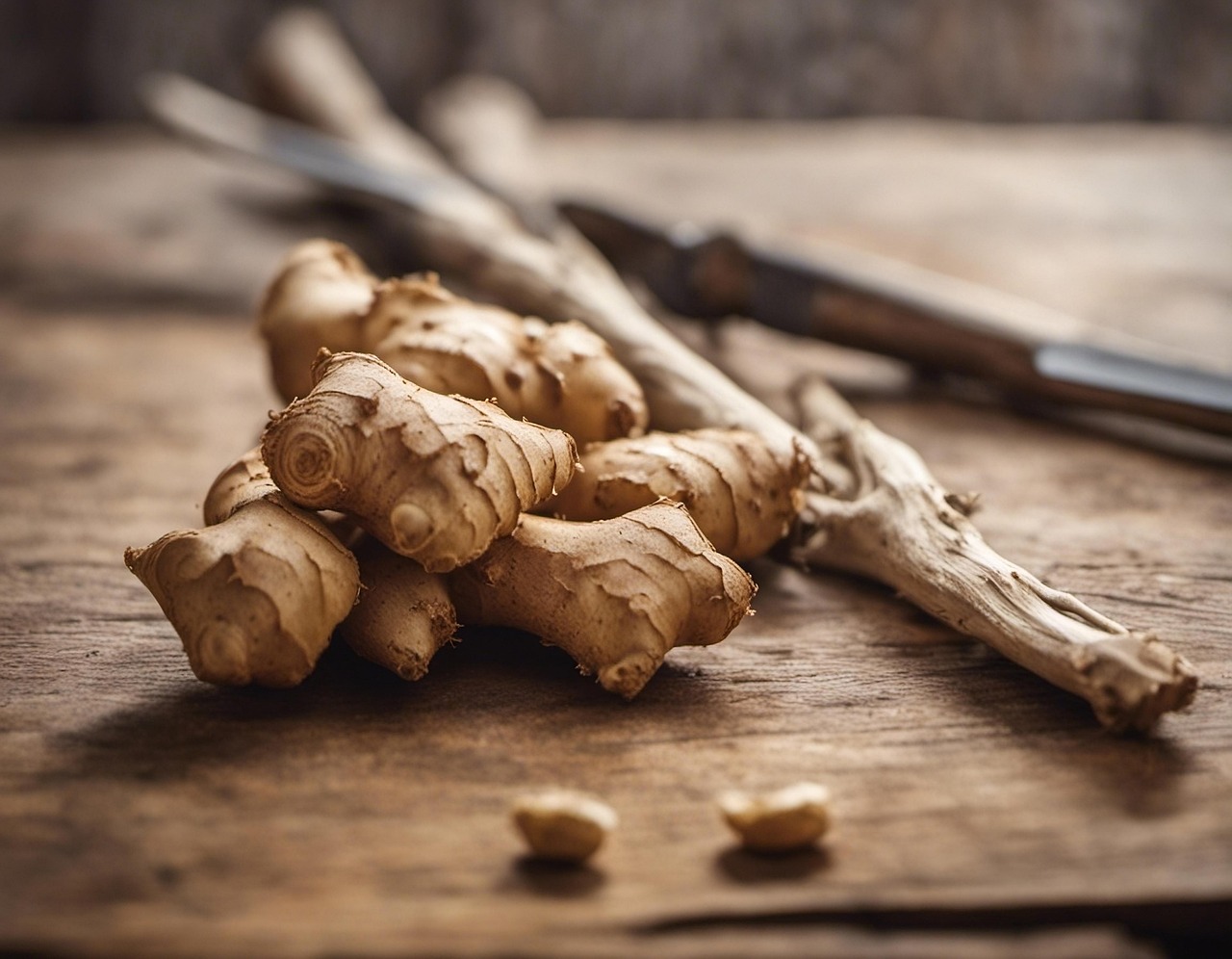
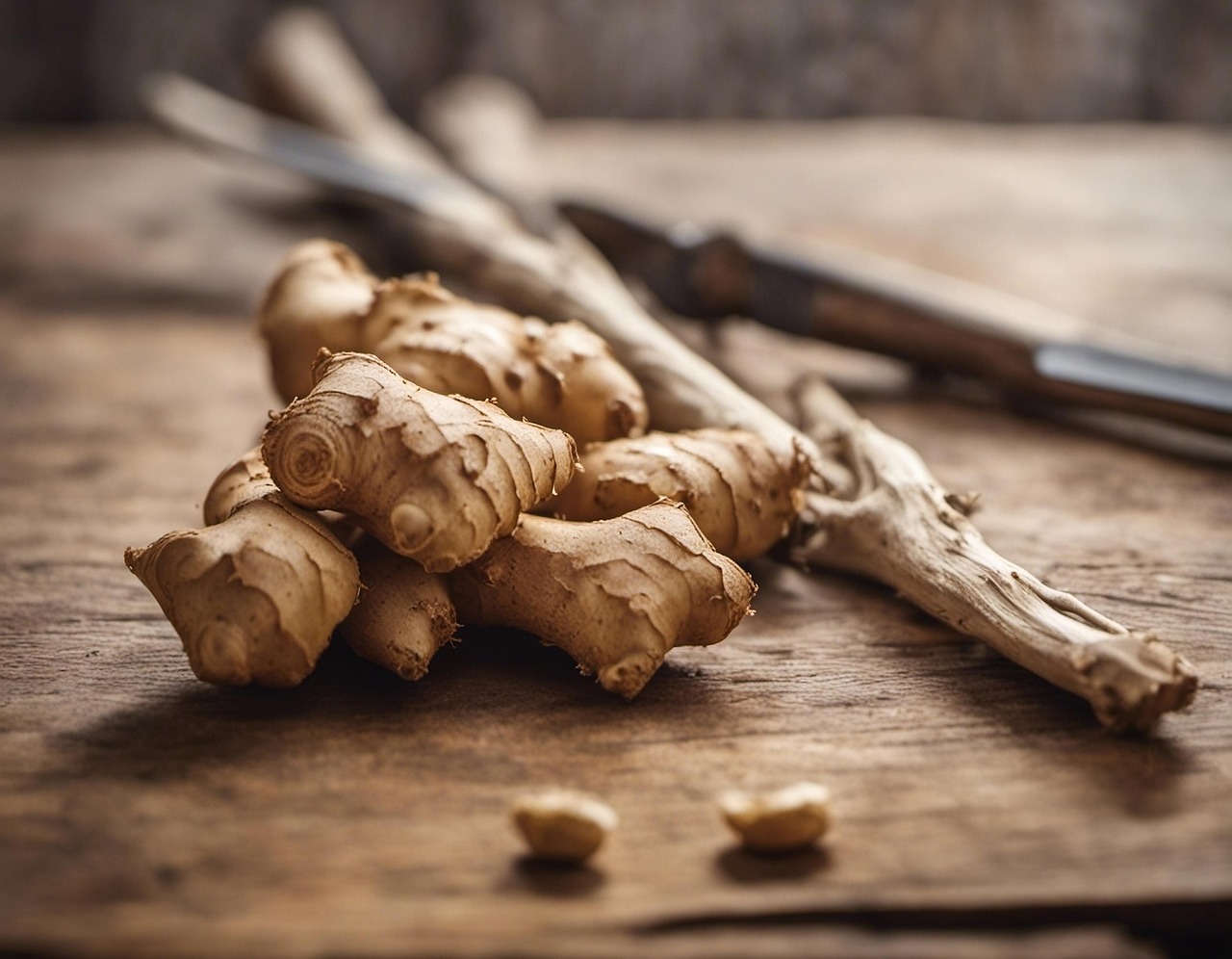
While flowers and leaves capture our immediate attention, the roots of plants often hold the most concentrated spiritual power. Growing in darkness, penetrating deep into earth, roots embody grounding energy, ancestral connection, and transformative potential.
High John the Conqueror root occupies legendary status in African-American spiritual traditions as a supreme ally for overcoming obstacles, drawing success, and personal empowerment. Angelica root provides powerful protection and connects practitioners with angelic forces. Mandrake root, surrounded by folklore and mystery, has served as a magical ally in European traditions for thousands of years.
Working with roots requires understanding their particular nature—they move slowly but profoundly, creating deep transformations rather than quick fixes. Root medicine works at foundational levels, addressing core issues and establishing lasting change in one’s spiritual and material circumstances.
🌱 Seeds: Potential, Manifestation, and New Beginnings
Seeds represent concentrated potential—entire futures compressed into tiny packages of possibility. This makes them exceptionally powerful for manifestation work, new beginning rituals, and planting intentions that will grow over time.
Mustard seeds feature in numerous spiritual traditions as symbols of faith that moves mountains. Despite their tiny size, they contain the blueprint for substantial plants, teaching that small beginnings can yield magnificent results. Practitioners use them in spells for growth, expansion, and developing faith.
Pomegranate seeds connect to underworld mysteries, feminine power, and abundance across Mediterranean traditions. Their blood-red juice and numerous seeds make them ideal for fertility magic, prosperity work, and rituals honoring the divine feminine.
Caraway, fennel, and coriander seeds each bring protective and clarifying energies, traditionally carried as amulets or added to ritual foods. The act of planting seeds while speaking intentions creates a living prayer that grows alongside the physical plant, manifesting desired outcomes as the seedling matures.
Creating Your Personal Practice with Sacred Botanicals
Developing Relationship Through Direct Experience
Book knowledge provides foundation, but true understanding of plant spirit medicine comes through direct relationship. This requires approaching plants as teachers rather than tools, with humility, patience, and willingness to listen.
Begin by selecting one herb, root, or seed that calls to you intuitively. Spend time with this plant—grow it if possible, meditate with it, burn it, brew it as tea, carry it with you. Notice what shifts in your awareness, dreams, and daily life. The plant will reveal its medicine to you personally, teaching lessons that may differ from traditional associations.
Keeping a plant spirit journal accelerates this learning process. Record your experiences with each botanical ally, noting physical effects, emotional shifts, synchronicities, and insights received. Over time, patterns emerge that illuminate how specific plants interact with your unique energy signature.
Ethical Harvesting and Reciprocity
As interest in plant medicine grows, ethical considerations become increasingly important. Many traditional sacred plants face overharvesting and habitat destruction. White sage populations in California have declined dramatically due to commercial demand, while palo santo trees require protection from unsustainable harvesting practices.
Practicing reciprocity means giving back to plant communities we harvest from—whether through financial support of conservation efforts, growing plants ourselves, spreading their seeds, or offering tobacco, cornmeal, or other traditional gifts when gathering from wild populations.
Whenever possible, cultivate your own botanical allies. Growing sacred plants yourself deepens relationship, ensures ethical sourcing, and allows you to participate in the full cycle of seed to harvest. Even urban dwellers can grow impressive quantities of ritual herbs in containers, window boxes, or community garden plots.
✨ Integration: Weaving Ancient Wisdom Into Modern Life
The challenge facing contemporary practitioners lies not in accessing ancient wisdom but in authentically integrating it into modern life. This requires discernment—honoring traditional knowledge while adapting practices to current contexts and personal circumstances.
Begin simply, with one or two practices that resonate deeply. Perhaps morning smoke cleansing becomes part of your daily routine, or monthly ritual baths mark lunar cycles. Maybe you create a small altar featuring seasonal herbs, or carry a mojo bag crafted for specific intentions.
As practice deepens, you’ll notice shifts in perception—increased sensitivity to plant energies, enhanced intuition, stronger connection to natural cycles. These changes indicate that the botanical allies are working not just on you but with you, awakening capacities that have always existed but lay dormant.
The spiritual power of herbs, roots, and seeds ultimately serves to reconnect us with something essential—the living intelligence that flows through all creation, the web of relationship binding all beings, the ancient knowing that we are nature rather than separate from it. These botanical teachers offer their wisdom freely, asking only that we approach with respect, listen deeply, and allow their medicine to transform us.
Whether you’re drawn to the aromatic mysteries of incense, the transformative power of ritual baths, the protective strength of roots, or the manifestation potential of seeds, these ancient allies stand ready to guide your journey. The wisdom they carry has survived millennia precisely because it remains relevant, powerful, and necessary—perhaps more now than ever as we seek to heal disconnection and remember our place within the sacred web of life.
