
Anúncios
The culinary world is witnessing a transformative shift as chefs embrace techniques that challenge traditional heat-based cooking, ushering in an era of precision and innovation.
Anúncios
🧊 The New Temperature Paradigm in Modern Gastronomy
Fine dining has long been synonymous with fire, heat, and the Maillard reaction. Yet today’s most innovative kitchens are discovering that the absence of heat can be equally—if not more—transformative. This chill revolution represents a fundamental rethinking of how flavors develop, textures evolve, and ingredients express their truest character.
Anúncios
The movement toward cold preparation techniques isn’t merely a trend; it’s a response to contemporary diners’ desire for transparency, authenticity, and unique sensory experiences. Curing, freezing, and raw preparation methods allow ingredients to shine in their most unadulterated forms while simultaneously showcasing the chef’s technical mastery and creative vision.
What makes this revolution particularly compelling is its intersection with sustainability concerns, health consciousness, and the global exchange of culinary traditions. Japanese sashimi techniques meet Scandinavian curing methods, while modern freezing technology enables textures previously impossible to achieve.
The Ancient Art of Curing Reimagined for Contemporary Palates
Curing stands as one of humanity’s oldest preservation methods, yet contemporary chefs are transforming this ancient technique into a vehicle for extraordinary flavor development and textural innovation. The process of drawing moisture from proteins and vegetables while introducing salt, sugar, acids, and aromatics creates complex taste profiles that evolve over time.
Modern curing extends far beyond traditional applications like gravlax or prosciutto. Today’s culinary artists cure egg yolks until they achieve a texture similar to aged cheese, transform vegetables into umami-rich concentrates, and develop fruit preparations that blur the line between sweet and savory.
The precision possible with contemporary curing techniques allows chefs to control every variable—from humidity levels to temperature fluctuations—resulting in products with consistent quality and remarkable complexity. Specialty curing chambers now occupy prominent positions in professional kitchens, functioning as flavor laboratories where time becomes an ingredient as important as any spice or herb.
📊 Innovative Curing Applications in Fine Dining
The spectrum of ingredients now subjected to curing processes reveals the technique’s versatility:
- Cured vegetables developing concentrated flavors and meat-like textures for plant-forward menus
- Citrus fruits cured with salt to create intensely aromatic garnishes with minimal bitterness
- Dairy products transformed through controlled fermentation and moisture reduction
- Seafood preparations that enhance natural sweetness while developing firm, silky textures
- Mushrooms cured to intensify earthiness and create jerky-like preparations
Freezing Technology: From Preservation to Creative Tool 🔬
The evolution of freezing technology has revolutionized its role in professional kitchens. No longer merely a preservation method, strategic freezing has become a creative technique that enables textures, presentations, and flavor experiences impossible through other means.
Liquid nitrogen, anti-griddles, blast freezers, and sophisticated freeze-drying equipment allow chefs to manipulate ice crystal formation at the molecular level. This control translates into velvety smooth sorbets, shatteringly crisp frozen garnishes, and ingredients that can be transformed into powders while retaining their essential character.
The aesthetic possibilities of freezing captivate both chefs and diners. Frozen elements introduce visual drama to plating, create temperature contrasts that heighten sensory engagement, and allow for interactive dining experiences where components transform throughout the course.
The Science Behind Superior Freezing Techniques
Understanding ice crystal formation proves essential to mastering freezing as a culinary technique. Rapid freezing creates smaller ice crystals that cause less cellular damage, preserving texture and moisture when ingredients thaw. This scientific principle underlies many innovative applications in contemporary kitchens.
Freeze-drying removes moisture through sublimation—ice transforming directly to vapor without passing through a liquid phase. This process preserves color, flavor compounds, and nutritional content while creating intensely concentrated ingredients with remarkable shelf stability and unexpected textural properties.
Chefs now create frozen foams that melt into warm sauces, flash-freeze delicate herbs to shatter into aromatic shards, and develop frozen “snow” from ingredients ranging from olive oil to aged cheese. These techniques add layers of complexity to dishes while demonstrating technical virtuosity.
Raw Preparation: Celebrating Ingredient Integrity 🌿
The raw food movement in fine dining transcends health food stereotypes, representing instead a commitment to showcasing ingredients at their peak quality with minimal intervention. This approach demands impeccable sourcing, knife skills of the highest order, and profound understanding of how acids, salts, and fats interact with raw ingredients.
Raw preparations place ingredient quality in the spotlight—there’s nowhere to hide when heat isn’t available to mask imperfections or develop flavors through caramelization. This transparency appeals to diners increasingly interested in provenance, seasonality, and direct connections to agricultural systems.
Contemporary raw cuisine draws inspiration from global traditions: Japanese sashimi and crudo, Latin American ceviches and tiraditos, Italian carpaccios, and Korean yukhoe. These techniques share common principles while expressing distinct cultural identities through seasoning, presentation, and accompaniments.
Technical Mastery in Raw Food Preparation
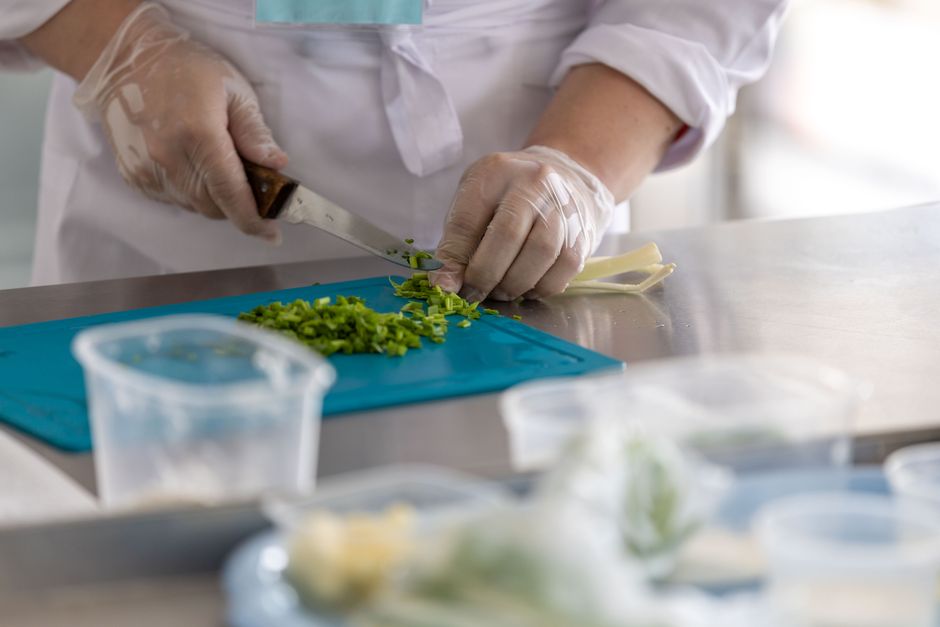
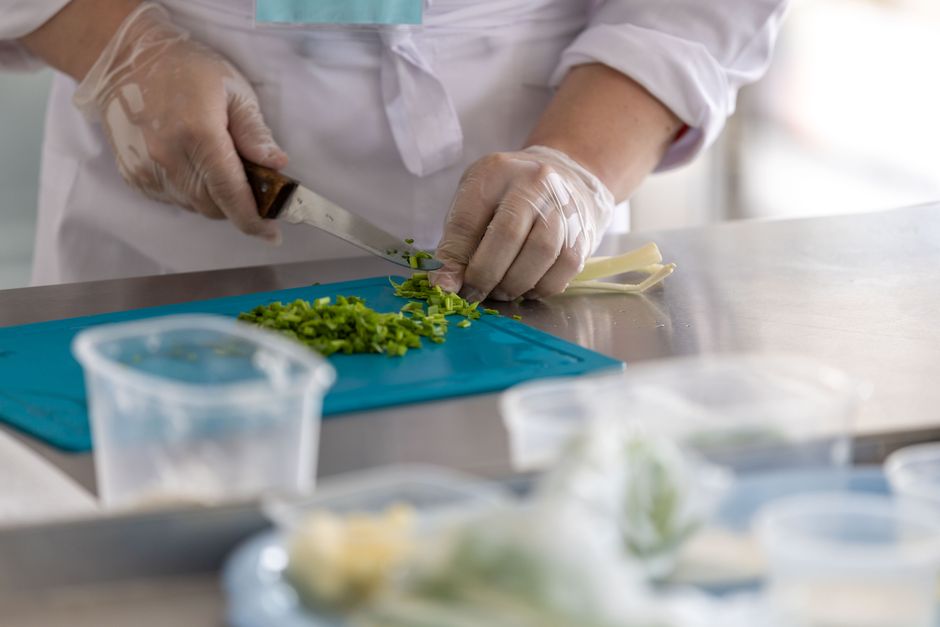
Raw preparation demands exceptional knife skills, as texture becomes a primary vehicle for interest when cooking methods aren’t employed. The thickness of a slice, the angle of a cut, and the presentation style dramatically impact the eating experience.
Marination and acidulation techniques partially “cook” raw ingredients through denaturation of proteins, creating textural changes and flavor absorption without heat. Understanding these chemical transformations allows chefs to achieve precise results while maintaining the essential “rawness” of the ingredient.
Temperature control remains crucial even in raw preparations. Serving temperature affects perception of fat content, flavor intensity, and textural qualities. Many raw fish preparations are best served slightly chilled rather than ice-cold, allowing fat to soften and flavors to express fully.
The Intersection of Sustainability and Cold Techniques 🌍
The chill revolution aligns remarkably well with contemporary sustainability imperatives. These techniques often require less energy than traditional cooking methods, reduce waste through whole-ingredient utilization, and extend the usability of seasonal products beyond their natural harvest windows.
Curing transforms products that might otherwise spoil into shelf-stable preparations, reducing food waste while adding value. The ability to cure surplus produce at peak season provides economic benefits while ensuring quality ingredients remain available year-round.
Raw preparations eliminate cooking energy entirely while highlighting the work of farmers, fishermen, and foragers. This direct connection between producer and plate resonates with environmentally conscious diners and supports local food systems.
Freezing technology, when used strategically, allows chefs to capture seasonal ingredients at their peak and deploy them creatively throughout the year. This capability reduces reliance on imported out-of-season products while maintaining menu diversity and creative freedom.
Training the Next Generation of Cold-Technique Specialists
Culinary education is evolving to incorporate these techniques as fundamental skills rather than specialized knowledge. Students now learn the science of fermentation alongside sauce-making, study ice crystal formation with the same rigor as braising techniques, and develop knife skills suitable for both butchery and pristine raw fish preparation.
The democratization of previously exclusive knowledge through online platforms, specialized workshops, and collaborative chef communities has accelerated the spread of these techniques globally. What was once closely guarded professional knowledge now circulates freely, raising standards across the industry.
Professional development increasingly focuses on understanding the “why” behind techniques rather than merely replicating recipes. This scientific foundation empowers chefs to innovate confidently and troubleshoot problems independently.
Essential Skills for Cold Preparation Mastery
| Skill Category | Key Competencies | Application Examples |
|---|---|---|
| Knife Techniques | Precision slicing, brunoise, julienne, specialized cuts | Sashimi preparation, vegetable carpaccio, garnish work |
| Curing Knowledge | Salt calculations, humidity control, timing variables | Fish curing, charcuterie, preserved vegetables |
| Freezing Science | Ice crystal management, equipment operation, texture manipulation | Sorbet production, frozen garnishes, texture modification |
| Flavor Balancing | Acid-salt-fat ratios, seasoning without heat | Ceviche preparation, dressings, marinades |
Cultural Influences Driving Global Innovation 🌏
The globalization of culinary knowledge has created fascinating hybrid techniques that blend traditions from multiple cultures. Nordic preservation methods meet Japanese precision, South American acidulation techniques inspire European interpretations, and Middle Eastern spice applications transform Asian raw preparations.
Social media and culinary tourism expose diners to global techniques, creating demand for innovative preparations that transcend traditional boundaries. This cultural exchange benefits the entire industry, introducing new ingredients, methods, and aesthetic sensibilities that push creativity forward.
The rise of destination dining experiences focused specifically on cold techniques—from omakase sushi bars to new Nordic restaurants—demonstrates the market viability of this approach. These specialized establishments serve as research laboratories and training grounds for techniques that eventually permeate the broader culinary landscape.
Equipment Evolution Enabling Creative Expression
Technological advancement has democratized techniques once available only to the most elite kitchens. Home curing chambers, affordable sous vide equipment, and consumer-grade blast chillers bring professional capabilities to smaller operations and even ambitious home cooks.
The development of specialized tools—from anti-griddles that freeze from below to ultrasonic cutters that slice frozen ingredients without pressure—continues expanding the creative possibilities. Each innovation opens new avenues for textural manipulation and presentation styles.
Smart equipment with precise temperature and humidity control removes much of the guesswork from traditionally finicky techniques. This reliability allows chefs to focus on creative development rather than constantly monitoring environmental conditions.
Menu Design and Customer Education Strategies 💡
Successfully incorporating cold techniques into fine dining requires thoughtful menu design that guides diners through unfamiliar experiences. Descriptive language that educates without overwhelming, strategic placement of more adventurous items, and staff trained to discuss techniques create inclusive environments where curiosity flourishes.
Progressive tasting menus provide ideal formats for showcasing cold techniques, allowing gradual introduction of textures and flavors while telling cohesive culinary stories. The sequencing of courses—moving between temperatures, textures, and preparation methods—creates dynamic experiences that maintain engagement throughout the meal.
Transparency about sourcing, technique, and ingredient selection builds trust with diners and differentiates establishments in competitive markets. When customers understand the skill, time, and ingredient quality involved in cold preparations, perceived value increases significantly.
The Business Case for Cold Technique Integration
Beyond creative satisfaction, cold techniques offer practical business advantages. Many cured products can be prepared during slower periods and held for service, improving kitchen efficiency. Raw preparations often feature high margins when properly sourced and priced, as labor rather than costly cooking processes creates the value.
Energy costs decrease when cooking equipment runs less frequently. Water consumption drops without constant pot-washing. These environmental benefits translate into operational savings that improve profitability while supporting sustainability messaging.
The visual appeal of cold preparations—pristine raw fish, jewel-toned cured vegetables, dramatic frozen elements—creates highly shareable moments that drive social media engagement. This organic marketing proves invaluable for restaurants seeking to build brand recognition and attract younger demographics.
Looking Forward: The Next Frontier of Cold Innovation 🚀
Emerging technologies promise even greater creative possibilities. Ultrasonic freezing, electromagnetic preservation, and pressure-assisted curing represent just the beginning of next-generation techniques. As equipment becomes more sophisticated and accessible, the boundaries of what’s possible continue expanding.
The intersection of cold techniques with plant-based cuisine creates particularly exciting opportunities. Vegetables and alternative proteins respond beautifully to curing, freezing, and raw preparations, offering textural complexity and flavor development that address previous limitations of plant-forward menus.
Collaborations between chefs, food scientists, and equipment manufacturers accelerate innovation cycles. This partnership model ensures that practical kitchen needs drive technological development rather than technology seeking culinary applications.
The chill revolution represents far more than a passing trend—it reflects fundamental shifts in how we think about ingredients, techniques, and the relationship between chef and diner. By embracing methods that celebrate rather than transform ingredient character, contemporary kitchens create experiences that are simultaneously ancient and innovative, simple and complex, familiar and surprising. As these techniques continue evolving and spreading globally, they’re reshaping not just fine dining but our entire culinary landscape, proving that sometimes the coolest innovations come from keeping things cold.
