
Anúncios
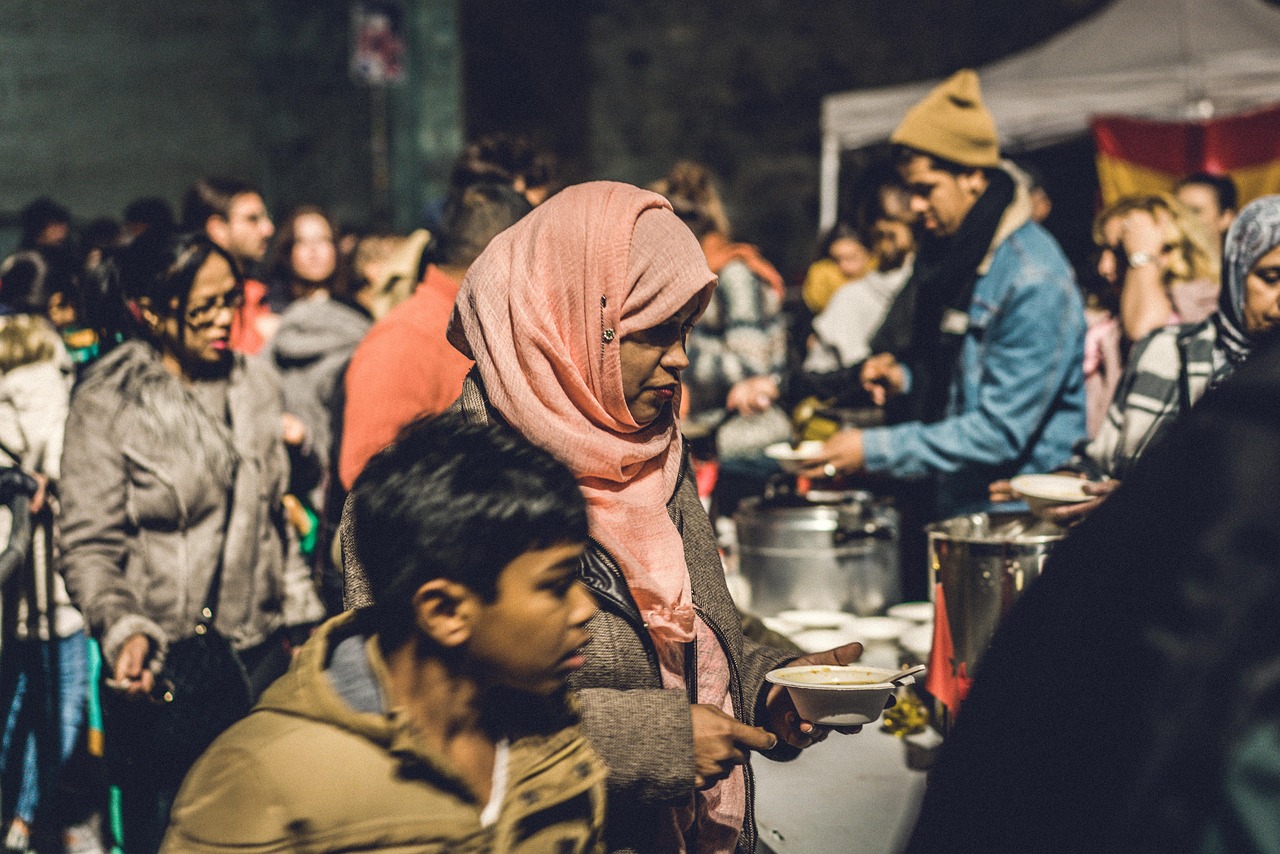
Food festivals are no longer just events—they’ve become powerful cultural engines reshaping how cities present themselves to the world and how residents connect with their urban identity. 🌍
Anúncios
The Rise of Culinary Celebrations as Urban Branding Tools
Over the past two decades, cities across the globe have discovered something remarkable: food festivals possess an almost magical ability to transform urban landscapes, economies, and reputations. What began as simple gatherings of local vendors has evolved into sophisticated cultural phenomena that attract millions of visitors annually and generate billions in economic impact.
Anúncios
From Portland’s innovative street food scene to Singapore’s hawker center celebrations, these gastronomic gatherings have become essential components of municipal identity strategies. Cities that were once known primarily for manufacturing or finance are now rebranding themselves as culinary destinations, with food festivals serving as their most visible ambassadors.
The transformation isn’t merely superficial. Food festivals create tangible economic benefits while fostering community cohesion and preserving cultural heritage. They’ve become laboratories for urban innovation, testing grounds for new restaurant concepts, and platforms for social change. In many cases, they’re literally rewriting the narrative of what a city represents in the global imagination.
Economic Engines Disguised as Celebrations 💰
The financial impact of major food festivals cannot be overstated. Melbourne’s Food and Wine Festival generates approximately $50 million annually for the Australian economy, while Charleston Wine + Food Festival contributes over $10 million to South Carolina’s tourism sector each year. These numbers represent just the tip of the economic iceberg.
Beyond direct revenue, food festivals create ripple effects throughout urban economies. Hotels experience surge bookings, transportation services see increased demand, and local retailers benefit from heightened foot traffic. The multiplier effect means that every dollar spent at a food festival generates additional economic activity throughout the host city.
Perhaps more importantly, these events serve as talent incubators for the hospitality industry. Young chefs gain exposure, food entrepreneurs test concepts with minimal capital investment, and established restaurants experiment with new menu items. This creative fermentation strengthens the entire culinary ecosystem, making cities more attractive to food-related businesses year-round.
Job Creation and Workforce Development
Food festivals generate both temporary and permanent employment opportunities. Event production requires logistics coordinators, marketing specialists, security personnel, and countless other roles. Meanwhile, the sustained attention these festivals bring often leads to new restaurant openings and food business expansions that create long-term jobs.
Cities like Austin, Texas have leveraged their food festival success into becoming recognized culinary capitals, attracting food businesses that create thousands of permanent positions. The skills developed through festival participation—from food preparation to customer service—translate into valuable workforce capabilities that benefit the broader economy.
Cultural Preservation Through Gastronomic Innovation 🍜
While economic benefits capture headlines, food festivals play an equally vital role in preserving and celebrating cultural heritage. In cities experiencing rapid demographic changes or gentrification pressures, these events become crucial spaces for maintaining connections to culinary traditions that might otherwise fade.
Tokyo’s traditional festival celebrations incorporate centuries-old food preparation methods, ensuring younger generations learn techniques that predated modern Japan. Similarly, Mexico City’s festivals showcase regional cuisines from across the country, creating awareness of culinary diversity that extends far beyond tacos and tequila.
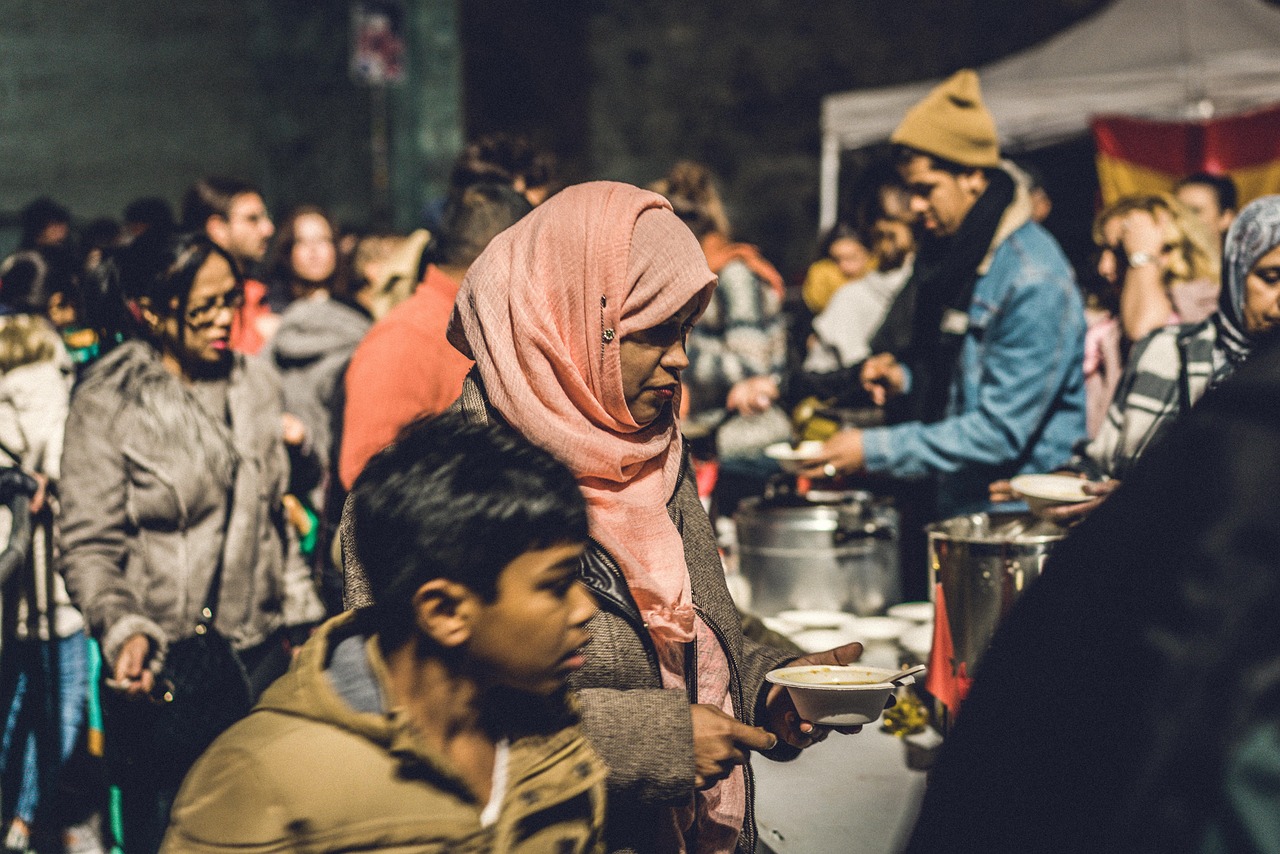
Immigrant communities particularly benefit from food festivals as platforms for cultural expression and economic participation. These events allow newcomers to share their culinary heritage with wider audiences, building bridges between communities while creating business opportunities. Cities like Toronto and London have successfully leveraged this dynamic to celebrate their multicultural identities.
Authenticity in the Age of Globalization
Food festivals help cities maintain culinary authenticity even as global food trends threaten to homogenize eating experiences. By spotlighting local producers, traditional recipes, and regional ingredients, these events reinforce what makes a place’s food culture unique and worthy of preservation.
Copenhagen’s food festival scene emphasizes New Nordic cuisine and local foraging traditions, distinguishing Danish gastronomy in global consciousness. This celebration of place-based cuisine creates competitive advantages for the city’s restaurant industry while educating visitors about environmental sustainability and seasonal eating.
Social Cohesion and Community Building 🤝
Beyond economics and culture, food festivals serve fundamental social functions within urban environments. They create rare opportunities for people from different neighborhoods, socioeconomic backgrounds, and demographic groups to gather in shared public spaces around universal human experiences—eating and celebrating.
In cities struggling with social fragmentation, food festivals offer moments of collective identity formation. When hundreds of thousands of people attend New Orleans’ Jazz & Heritage Festival or Istanbul’s fish sandwich festivals, they participate in experiences that reinforce their connection to place and community.
These gatherings also provide platforms for addressing social issues. Many contemporary food festivals incorporate themes of food justice, sustainability, and equity into their programming. They host panel discussions, showcase businesses led by underrepresented entrepreneurs, and direct portions of proceeds toward community development initiatives.
Breaking Down Urban Barriers
Food festivals naturally encourage interaction across social divides. A shared table at a communal dining event brings together people who might never otherwise meet. The informal atmosphere of food festivals lowers social barriers, facilitating conversations and connections that strengthen urban social fabric.
Cities like Detroit have intentionally used food festivals as tools for neighborhood revitalization and community healing. By hosting events in historically disinvested areas, festival organizers direct resources and attention to communities that need them most while celebrating the cultural contributions these neighborhoods offer.
Transforming Physical Urban Spaces 🏙️
Food festivals frequently catalyze permanent transformations in urban physical infrastructure. Underutilized spaces—abandoned warehouses, forgotten parks, industrial waterfronts—become activated through festival use, often leading to permanent redevelopment that benefits cities long after events conclude.
Brooklyn’s Smorgasburg began as a weekend food market but helped transform entire neighborhoods into dining destinations. The temporary activation of East River State Park demonstrated the space’s potential, eventually contributing to broader waterfront development strategies that reshaped Brooklyn’s industrial coastline into vibrant public amenity.
Similarly, food festivals have revitalized historic market buildings in cities worldwide. Barcelona’s renewed focus on its traditional markets, partly driven by food tourism and festival attention, led to significant investments in these architectural treasures, preserving them as functioning community spaces rather than museum pieces.
Digital Age Amplification and Global Reach 📱
Social media has fundamentally transformed how food festivals impact city identities. Instagram-worthy dishes and festival moments reach global audiences instantaneously, creating awareness and desire that traditional marketing could never achieve. A single viral food item can put a previously unknown city on international culinary maps.
Cities have learned to leverage this dynamic strategically. Festival organizers now design experiences with shareability in mind, creating visually striking installations and photogenic food presentations that attendees enthusiastically broadcast across platforms. This organic content generation provides marketing value worth millions while shaping global perceptions of urban identity.
The digital documentation of food festivals also creates permanent records of culinary culture, preserving recipes, techniques, and traditions in accessible formats. This democratization of food knowledge helps maintain cultural continuity while making regional cuisines globally accessible.
Virtual Participation and Hybrid Models
Recent innovations have introduced virtual components to traditional food festivals, allowing global participation and extending reach beyond physical attendees. Cooking demonstrations streamed online, virtual vendor marketplaces, and recipe-sharing platforms connected to festivals create year-round engagement that sustains interest between annual events.
These hybrid models proved particularly valuable during pandemic disruptions, allowing festivals to maintain community connections and economic activity even when in-person gatherings weren’t possible. Cities that successfully pivoted to include digital elements discovered new revenue streams and audience segments that continue benefiting their culinary sectors.
Environmental Consciousness and Sustainable Urban Development 🌱
Contemporary food festivals increasingly incorporate sustainability principles, reflecting and shaping urban environmental values. Zero-waste initiatives, local sourcing requirements, and plant-forward menus position these events as laboratories for sustainable food systems that cities can learn from and replicate.
San Francisco’s approach to festival sustainability—mandatory composting, renewable energy use, and local ingredient prioritization—reinforces the city’s environmental identity while demonstrating practical applications of sustainability principles. Attendees experience sustainable practices firsthand, potentially influencing their behavior beyond festival contexts.
The emphasis on local and regional sourcing at many festivals strengthens agricultural economies surrounding cities while reducing environmental impacts associated with long-distance food transportation. This connection between urban festivals and rural producers creates economic relationships that benefit entire regions.
Challenges and Criticisms Worth Addressing ⚖️
Despite their benefits, food festivals face legitimate criticisms that cities must address to ensure these events genuinely serve community interests. Concerns about gentrification, cultural appropriation, and the displacement of existing food businesses require thoughtful responses from festival organizers and municipal authorities.
When food festivals contribute to neighborhood transformation, existing residents and businesses sometimes find themselves priced out of communities they helped build. Responsible festival development requires intentional strategies to ensure original community members benefit from increased attention and economic activity rather than being displaced by it.
Cultural appropriation concerns arise when festivals commodify ethnic cuisines without properly crediting or compensating the communities that created them. Ethical festival programming requires authentic representation, appropriate credit, and equitable economic participation from the cultural groups whose traditions are being celebrated.
Accessibility and Inclusion Considerations
Many food festivals inadvertently exclude community members through high admission prices, limited accessibility for people with disabilities, or locations difficult to reach via public transportation. Truly transformative festivals must prioritize inclusive design that welcomes all residents regardless of economic status or physical ability.
Progressive festival models incorporate free admission days, subsidized tickets for low-income residents, and robust accessibility accommodations. These initiatives ensure festivals serve entire communities rather than functioning as exclusive experiences for privileged populations.
The Future of Food Festivals in Urban Development 🔮
Looking forward, food festivals will likely play increasingly sophisticated roles in urban planning and identity formation. As cities compete for residents, businesses, and tourists in an interconnected world, distinctive cultural offerings become crucial competitive advantages. Food festivals provide scalable, adaptable platforms for expressing urban uniqueness.
Emerging trends suggest future festivals will emphasize hyper-local ingredients, indigenous food traditions, and climate-adapted cuisines. As environmental pressures intensify, festivals celebrating sustainable food systems and traditional ecological knowledge will gain prominence, positioning host cities as leaders in addressing existential challenges.
Technology integration will continue evolving, with augmented reality experiences, blockchain-verified sourcing transparency, and AI-powered personalization enhancing festival experiences. However, the fundamental appeal—gathering together to share food and celebrate community—will remain timeless, ensuring food festivals continue redefining city identities for generations to come.
Recipes for Success: What Makes Food Festivals Transformative
Cities seeking to leverage food festivals for identity transformation can learn from successful examples worldwide. The most impactful festivals share common characteristics: authentic cultural representation, strong community involvement, economic accessibility, environmental responsibility, and alignment with broader urban development goals.
Successful festivals emerge from genuine community culture rather than manufactured marketing concepts. They celebrate existing culinary traditions and elevate local talent instead of importing generic entertainment. This authenticity creates distinctive experiences that resonate with both residents and visitors, building sustainable competitive advantages.
Collaboration between municipal governments, private organizers, community groups, and cultural institutions produces festivals that balance commercial viability with public benefit. This multi-stakeholder approach ensures diverse perspectives shape festival development, creating events that genuinely serve community interests while achieving economic objectives.
The transformation of city identities through food festivals represents one of the most hopeful urban development trends of recent decades. These events demonstrate that cultural celebration, economic development, and community building need not be contradictory goals. When thoughtfully executed, food festivals nourish cities in every sense—economically, culturally, and socially—creating more vibrant, connected, and distinctive urban environments for everyone who calls them home. 🌆
