
Anúncios
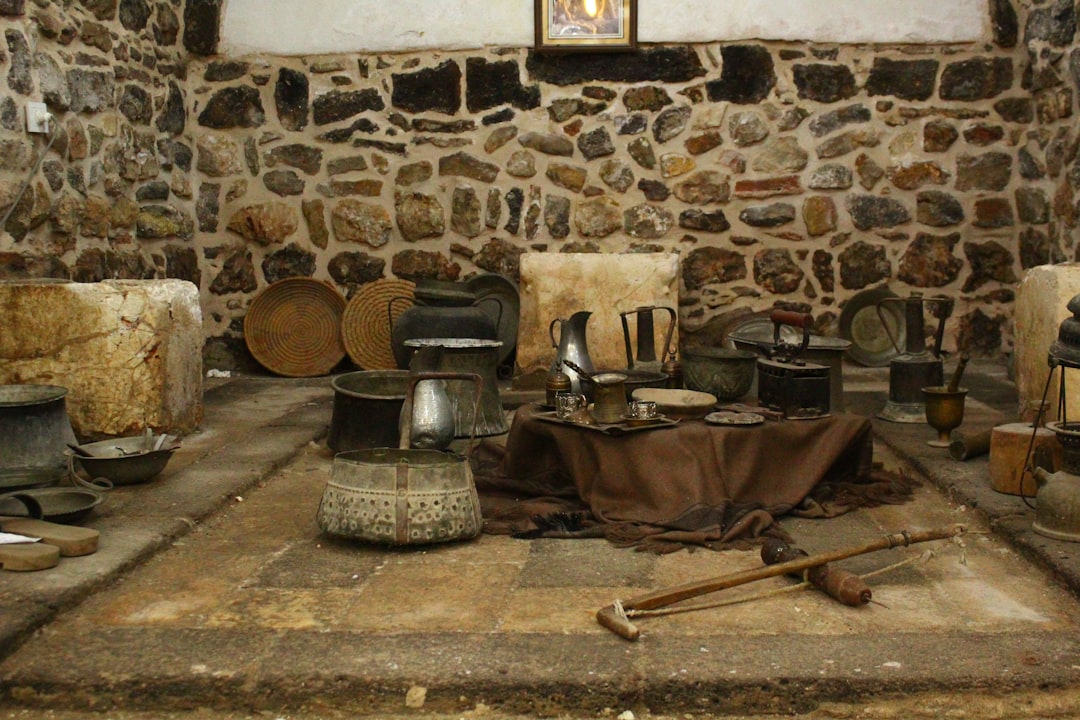
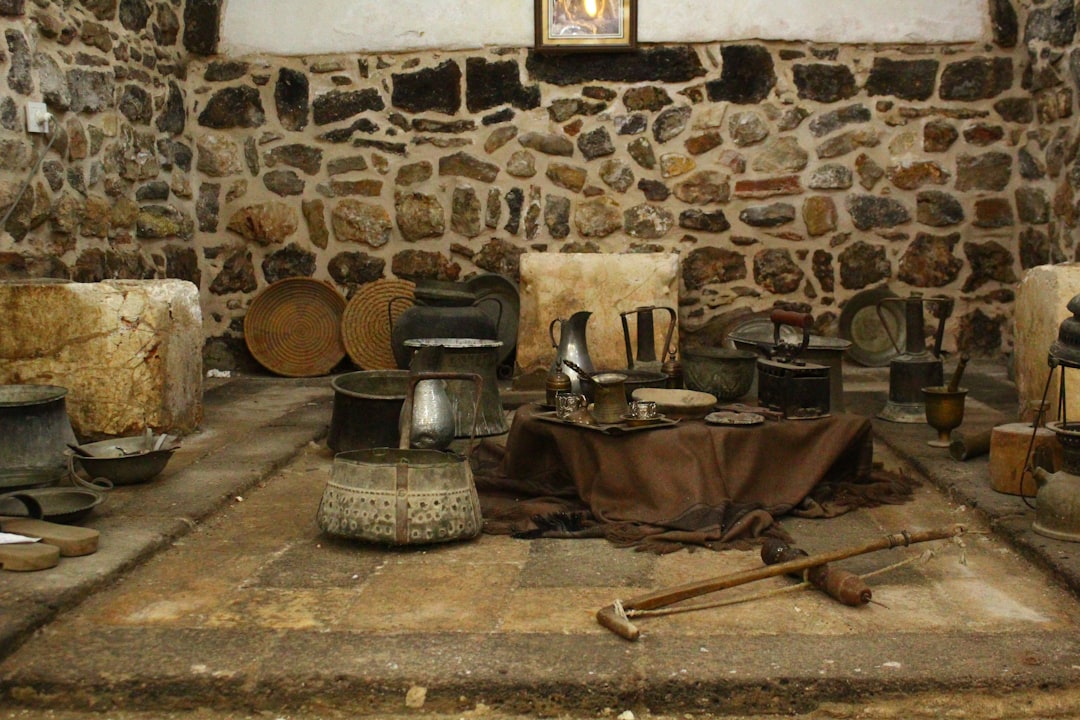
Colonial kitchens represent one of history’s most paradoxical spaces—where cultures collided, merged, and were often deliberately erased under the weight of imperial power.
Anúncios
🌍 The Kitchen as a Battlefield of Empire
Long before globalization became a buzzword, colonial kitchens served as the original laboratories of forced cultural fusion. These spaces—whether in British India, Spanish Latin America, French West Africa, or Dutch Indonesia—became sites where indigenous culinary knowledge met European imperial appetites, creating complex food traditions that still shape what we eat today.
Anúncios
The colonial kitchen was never neutral territory. It was a space where power dynamics played out through ingredients, cooking methods, and the very act of who prepared food for whom. European colonizers brought their ingredients, techniques, and tastes, imposing them upon local populations while simultaneously appropriating indigenous foods and knowledge systems that had evolved over millennia.
Understanding colonial kitchens requires examining both what was created and what was destroyed. For every curry that made its way to British tables or tomato that transformed Italian cuisine, countless indigenous food traditions were marginalized, forgotten, or actively suppressed. The legacy we’ve inherited is simultaneously rich and troubling—a culinary palimpsest where layers of cultural exchange cannot be separated from exploitation and erasure.
🔥 How Imperial Powers Transformed Local Food Systems
Colonial powers didn’t simply arrive and eat local foods. They systematically restructured entire agricultural and culinary ecosystems to serve imperial interests. This transformation occurred through multiple mechanisms that forever altered the relationship between people and their food.
In India, the British East India Company converted vast tracts of land to cash crop production—indigo, opium, tea, and cotton—displacing food crops that had sustained local populations for generations. This wasn’t merely economic policy; it fundamentally changed what people could grow, cook, and eat. Traditional crop diversity gave way to monocultures designed for export, making communities vulnerable to famine while enriching colonial coffers.
The plantation system represented perhaps the most brutal intersection of colonialism and food. In the Caribbean, Southeast Asia, and parts of Africa, enslaved and indentured laborers were forced to cultivate sugar, coffee, rubber, and spices for European markets. The kitchens that emerged in these contexts reflected profound inequalities—grand colonial houses with elaborate European-style meals prepared by indigenous or enslaved cooks who rarely tasted the dishes they created.
The Spice Trade and Culinary Imperialism
European obsession with spices drove much of early colonial expansion. What began as trade relationships quickly evolved into occupation and exploitation. The Dutch VOC’s monopolization of nutmeg and cloves in the Maluku Islands exemplifies this pattern—they controlled production so completely that they destroyed spice trees on islands they couldn’t garrison, ensuring scarcity and high prices while devastating local economies.
Ironically, while Europeans traveled thousands of miles for spices, they often used them sparingly in their own cooking, preferring them as status symbols. Meanwhile, the regions that produced these spices had developed sophisticated culinary traditions incorporating them in ways European cooks couldn’t replicate. Colonial powers extracted the ingredients while frequently dismissing the culinary wisdom that gave them context and meaning.
👩🍳 The Invisible Hands: Indigenous Cooks in Colonial Households
Behind every colonial meal stood cooks whose contributions were simultaneously essential and invisible. These were predominantly women—indigenous, enslaved, or from colonized populations—who navigated the impossible task of satisfying European palates with local ingredients while maintaining connections to their own culinary heritage.
These cooks were cultural mediators and innovators, often creating fusion cuisines out of necessity. When European ingredients weren’t available, they substituted local alternatives. When colonizers demanded familiar dishes, indigenous cooks adapted them using available techniques and flavors. This creative labor produced many dishes we now consider “traditional” in various cuisines, though the individuals who invented them rarely received recognition.
In British India, khansamas (household cooks) developed what became known as Anglo-Indian cuisine—dishes like mulligatawny soup, kedgeree, and jalfrezi that blended British and Indian elements. In the Americas, enslaved African cooks transformed European recipes with African techniques and ingredients, creating entirely new culinary traditions. These weren’t merely fusion foods; they were acts of survival and subtle resistance, preserving cultural memory through flavor even as colonizers attempted to erase other aspects of indigenous identity.
Knowledge Extraction and Cookbook Colonialism
Colonial powers systematically extracted culinary knowledge just as they extracted material resources. European women living in colonies often compiled cookbooks featuring “native” recipes, usually without crediting the indigenous cooks who taught them. These texts served dual purposes: helping other colonizers recreate local dishes and establishing European authority over indigenous food knowledge.
This appropriation extended beyond recipes to include entire classification systems. European botanists renamed indigenous plants using Latin taxonomies, displacing local naming systems that often contained ecological and medicinal information. The humble tomato, central to many indigenous American cuisines, was initially classified as poisonous by Europeans who didn’t understand how to prepare it—a telling example of how colonial frameworks could actively suppress indigenous knowledge.
🍛 Case Studies: Colonial Cuisine Across Empires
Examining specific colonial contexts reveals how imperialism shaped food differently across regions while following similar patterns of extraction, appropriation, and cultural disruption.
British India: Curry and the Invention of Tradition
Perhaps no dish better exemplifies colonial culinary transformation than “curry.” In India, the word referred to a style of cooking, not a single dish or spice blend. British colonizers simplified this complex tradition into “curry powder”—a standardized spice mix that could be shipped back to Britain, stripping away regional variation and culinary context.
The British simultaneously dismissed Indian food as inferior while becoming dependent on Indian cooks to prepare their meals. They created elaborate dining rituals meant to maintain racial hierarchies, with rigid rules about who could enter European kitchens and dining rooms. Yet these same households relied entirely on indigenous labor and knowledge for their food, creating contradictions that characterized colonial life.
Dishes developed in colonial Indian kitchens—from chicken tikka masala to vindaloo—now appear on menus worldwide, usually divorced from their hybrid origins. These foods represent genuine cultural blending, but one that occurred within deeply unequal power structures that shouldn’t be romanticized.
The Caribbean: Sugar, Slavery, and Survival Cuisine
Caribbean cuisine emerged from one of history’s most brutal colonial systems. Enslaved Africans brought agricultural and culinary knowledge that helped them survive in new environments. They cultivated provision grounds where they grew foods from their homelands—okra, black-eyed peas, yams—alongside indigenous American crops like cassava and New World ingredients.
From these circumstances arose dishes that combined African, indigenous American, and European elements. Jerk seasoning, callaloo, rice and peas, and countless other Caribbean staples reflect this forced cultural convergence. These foods represent remarkable creativity and resilience, but their origins in slavery and exploitation cannot be ignored.
The colonial sugar plantation shaped Caribbean food in another way—by making sugar ubiquitous while creating food scarcity. Enslaved people received minimal rations, forcing them to become ingenious with limited ingredients. Colonial powers extracted wealth while populations they controlled faced malnutrition, a pattern repeated across colonial holdings.
French Indochina: The Baguette’s Asian Journey
French colonization of Vietnam, Laos, and Cambodia introduced European ingredients and techniques that locals adapted and transformed. The Vietnamese bánh mì exemplifies this process—French baguettes reimagined with local ingredients, rice flour to change the texture, and fillings that reflect Vietnamese flavor profiles rather than French ones.
French colonizers established coffee plantations that made Vietnam one of the world’s largest producers. Vietnamese cooks developed cà phê sữa đá (iced coffee with condensed milk), adapting French coffee culture to local climate and available ingredients. Today, this drink is considered quintessentially Vietnamese, though its origins lie in colonial intervention.
These adaptations represent Vietnamese agency within colonialism—taking imposed ingredients and making them their own. Yet this creativity occurred within a system of exploitation that extracted resources and labor while imposing foreign governance and cultural hierarchies.
🌾 The Ecological Consequences of Colonial Food Systems
Colonial kitchens didn’t just transform cuisines; they fundamentally altered landscapes and ecosystems. The Columbian Exchange—the transfer of plants, animals, and diseases between hemispheres following European colonization—represents the largest ecological transformation in human history, with profound consequences still unfolding today.
Colonizers introduced crops to new environments based on economic potential rather than ecological suitability. They brought wheat to regions where it struggled, converted diverse ecosystems into single-crop plantations, and displaced indigenous agricultural practices that had maintained soil health and biodiversity for generations. This extraction-based approach to agriculture depleted soils, disrupted water systems, and made food production increasingly vulnerable to pests, diseases, and climate variation.
The focus on export crops over local food production created recurring famines in colonized regions. The Bengal famine of 1943, which killed millions, resulted partly from British policies prioritizing rice exports while denying food to local populations. Similar patterns occurred across colonial holdings, where people starved amid plenty because colonial authorities valued profit over human life.
Biodiversity Loss and Seed Control
Colonial agriculture reduced crop diversity dramatically. Indigenous farmers traditionally maintained multiple varieties of staple crops, each adapted to specific conditions and purposes. Colonial powers favored uniformity for ease of processing and shipping, leading to genetic erosion that makes modern food systems vulnerable.
This loss of diversity continues today through intellectual property regimes that trace back to colonial frameworks. Companies patent seeds descended from indigenous varieties, then charge farmers in those same regions for access. The kitchen politics of colonialism extends into contemporary debates about who owns genetic resources and traditional knowledge.
🥘 Reclaiming and Decolonizing Food Traditions
Contemporary chefs, food historians, and communities increasingly examine colonial culinary legacies with critical eyes, working to reclaim suppressed traditions and acknowledge complex histories. This decolonization work takes multiple forms, from recovering indigenous recipes to restructuring how we discuss and credit food origins.
Indigenous food sovereignty movements worldwide seek to restore traditional diets and agricultural practices disrupted by colonialism. These efforts recognize that food isn’t merely sustenance but carries cultural, spiritual, and ecological knowledge. In North America, indigenous communities revitalize pre-colonial crops and cooking methods. In Australia, Aboriginal Australians reclaim bush tucker traditions marginalized by European settlement.
Scholars and food writers increasingly insist on accurate attribution and historical context when discussing dishes with colonial origins. Rather than celebrating fusion cuisine uncritically, they examine the power dynamics that produced it. This doesn’t mean rejecting these foods, but understanding them more completely—acknowledging both the creativity they represent and the exploitation they emerged from.
Beyond Romanticization: Honest Food History
Decolonizing food discourse means rejecting narratives that romanticize colonial-era cultural exchange while ignoring violence and extraction. It requires acknowledging that dishes can be delicious and culturally significant while also carrying troubling histories. The goal isn’t to stop eating certain foods but to understand them fully and credit the people—often oppressed and anonymous—who created them.
This work also involves questioning whose stories get told. Most food media has historically centered European and European-descended perspectives, even when discussing non-European cuisines. Decolonizing food media means amplifying indigenous voices, supporting writers and chefs from historically marginalized communities, and recognizing that expertise about a cuisine resides primarily with the people who developed and maintained it.
🍴 The Persistent Legacy on Modern Tables
Colonial kitchens’ influence extends far beyond historical interest. The global food system we inhabit today—how ingredients move across borders, which cuisines receive prestige, who profits from food production—remains structured by colonial patterns established centuries ago.
Consider how European cuisines are generally perceived as sophisticated while African, Asian, and Latin American foods are often seen as “ethnic” or exotic. This hierarchy directly reflects colonial prejudices that deemed European culture superior. Michelin stars, culinary school curricula, and fine dining conventions all emerged from European traditions, perpetuating the notion that European food represents the pinnacle of culinary achievement.
The economics of food production still follow colonial trade routes. Former colonies remain primary producers of raw ingredients—coffee, cocoa, spices, tropical fruits—while value-added processing and branding occur in wealthy nations. Farmers in Ethiopia or Colombia receive tiny fractions of what consumers pay for coffee, replicating extraction patterns established under formal colonialism.
Cultural Appropriation and Attribution
Contemporary debates about cultural appropriation in food circles often trace back to colonial dynamics. When chefs from dominant cultures profit from cuisines of marginalized communities without attribution or benefit to those communities, they replicate colonial extraction patterns. This remains contentious because food cultures naturally evolve and blend, but the question of power—who profits, who gets credited, whose version becomes “authentic”—matters tremendously.
Addressing these issues requires structural changes: supporting restaurants and food businesses from marginalized communities, ensuring equitable supply chains, crediting culinary innovations to their creators, and recognizing that opening a restaurant serving someone else’s cuisine carries responsibilities beyond cooking technique.
🌏 Moving Forward: What We Owe the Past
Understanding colonial kitchens’ complex legacy isn’t about guilt or refusing to enjoy diverse foods. It’s about acknowledgment and equity. We can appreciate the genuine cultural blending that occurred while recognizing it happened within oppressive systems. We can enjoy dishes with colonial origins while working to support the communities whose ancestors created them.
This means supporting food sovereignty movements, choosing ingredients from equitable supply chains when possible, learning accurate histories of the foods we eat, and amplifying voices from communities whose culinary contributions have been marginalized or appropriated. It means questioning why some cuisines receive prestige while others don’t, and actively working to shift these hierarchies.
For food professionals—chefs, writers, educators—it means committing to accurate attribution, compensating culinary knowledge appropriately, and using platforms to elevate rather than exploit. For consumers, it means eating thoughtfully, learning food histories, and supporting businesses that demonstrate genuine respect for the traditions they represent.
The colonial kitchen’s legacy is neither simple nor easily resolved. It encompasses extraordinary culinary creativity born from devastating circumstances, cultural resilience alongside cultural destruction, and flavors we cherish emerging from systems we should condemn. Holding this complexity—refusing both to romanticize colonial-era fusion and to dismiss the real cultural blending that occurred—represents our best path toward more equitable and honest relationships with food.
Every meal we eat connects us to vast histories of migration, exchange, exploitation, and resistance. The dishes we consider comfort food, the ingredients we take for granted, the flavor combinations we love—all carry stories of how people navigated, survived, and sometimes thrived within colonial systems. Honoring these stories means acknowledging all of them: the creativity and the coercion, the exchange and the extraction, the blending and the burying of culinary traditions.
By understanding colonial kitchens not as quaint historical curiosities but as sites of profound cultural transformation—both generative and destructive—we can build food systems that genuinely honor diverse traditions rather than appropriating them, that support culinary communities rather than extracting from them, and that recognize food as a carrier of history, identity, and power worth protecting and sharing equitably.
