
Anúncios
Throughout human history, civilizations have offered sacred gifts to their gods through blood, fire, and food—a trinity of sacrifice that transcends geography and time.
Anúncios
🔥 The Ancient Language of Sacrifice
Sacrifice stands as one of humanity’s oldest religious practices, forming a bridge between the mortal and divine realms. From the smoke-filled temples of ancient Greece to the elaborate altars of Mesoamerica, the act of offering something precious—whether animal, grain, or incense—represented humanity’s attempt to communicate with forces beyond comprehension. These rituals weren’t merely superstitious acts but sophisticated theological expressions that shaped entire civilizations.
Anúncios
The word “sacrifice” itself derives from the Latin “sacrificium,” meaning “to make sacred.” This etymological root reveals the transformative nature of these rituals. Ordinary substances—grain, wine, animals—became extraordinary through ceremonial preparation and presentation. The offering wasn’t destruction but transfiguration, converting the mundane into the sacred through prescribed rituals performed by designated intermediaries.
Archaeological evidence suggests sacrificial practices date back at least 10,000 years, coinciding with the agricultural revolution. As humans transitioned from hunter-gatherers to settled farmers, their relationship with the divine evolved. They no longer simply asked for successful hunts but sought blessings for crops, protection from natural disasters, and prosperity for their communities.
Blood as the Currency of the Divine
Blood occupies a uniquely powerful position in sacrificial traditions worldwide. Ancient peoples recognized blood as the essence of life itself—when it flowed, life flourished; when it stopped, death followed. This observable truth elevated blood to sacred status across virtually every culture that practiced ritual sacrifice.
In Hebrew tradition, Leviticus explicitly states that “the life of the flesh is in the blood.” This wasn’t mere poetry but theology that governed how ancient Israelites approached their relationship with Yahweh. The elaborate sacrificial system outlined in the Torah required specific animals, prepared in precise ways, with blood application following exact patterns. The high priest would sprinkle blood on the altar, creating a symbolic cleansing that renewed the covenant between God and people.
Aztec civilization took blood sacrifice to unprecedented levels. The Templo Mayor in Tenochtitlan witnessed thousands of sacrifices annually, based on the cosmological belief that the sun god Huitzilopochtli required human blood to continue his daily journey across the sky. Far from being mindless brutality, these rituals followed strict protocols and carried profound theological significance. The sacrificed weren’t victims but honored participants in cosmic maintenance.
The Symbolism Behind Bloodletting
Blood represented multiple concepts simultaneously: life force, purification, payment, and connection. When spilled intentionally in sacred contexts, it created a tangible link between worshipper and deity. The visceral nature of blood—its color, warmth, and undeniable association with mortality—made it the most powerful offering imaginable.
In Hindu traditions, animal sacrifice (bali) continues in some temples dedicated to goddesses like Kali and Durga. The blood offerings acknowledge the fierce, protective aspects of the divine feminine. Devotees believe the goddess consumes the animal’s life essence while the physical meat is distributed to the community, creating a cycle of divine blessing and communal sharing.
🔥 Fire: The Transformer and Messenger
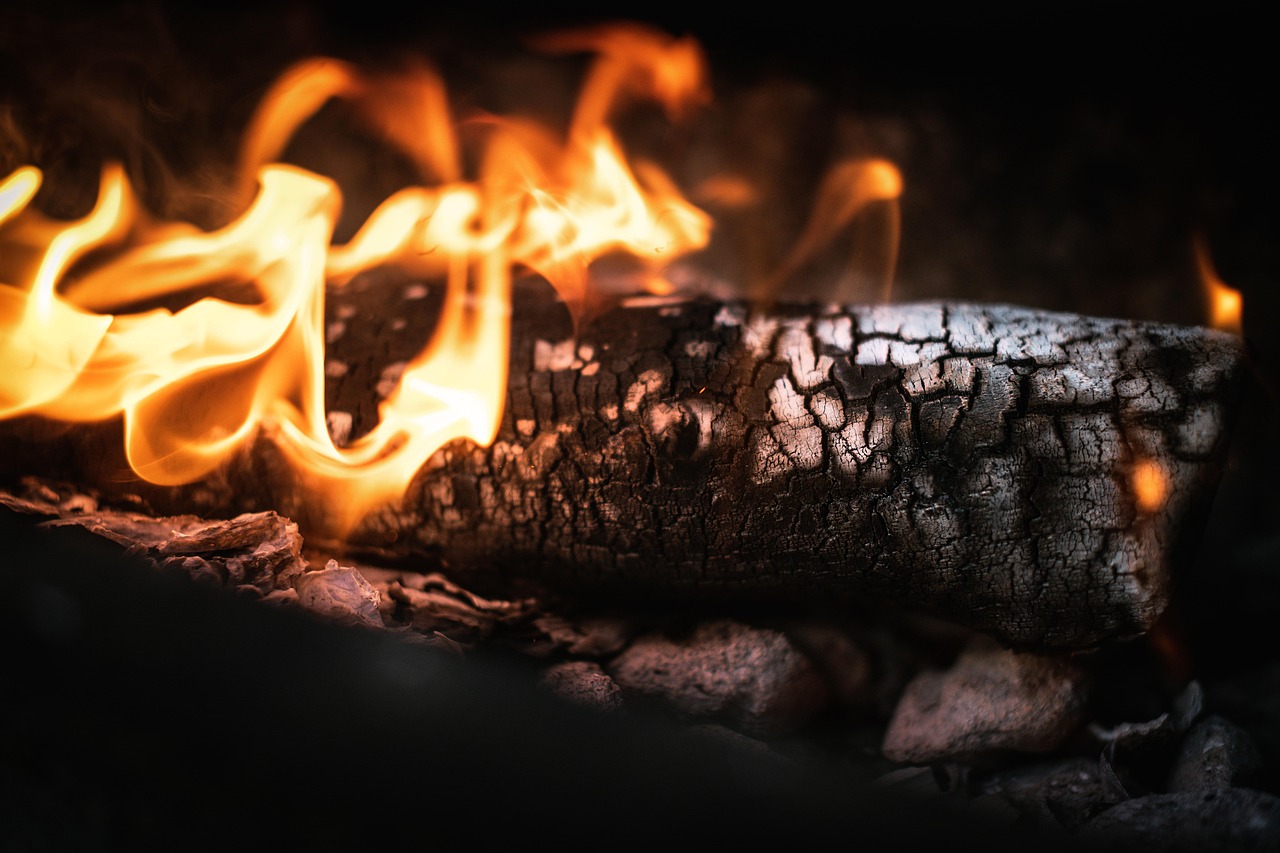
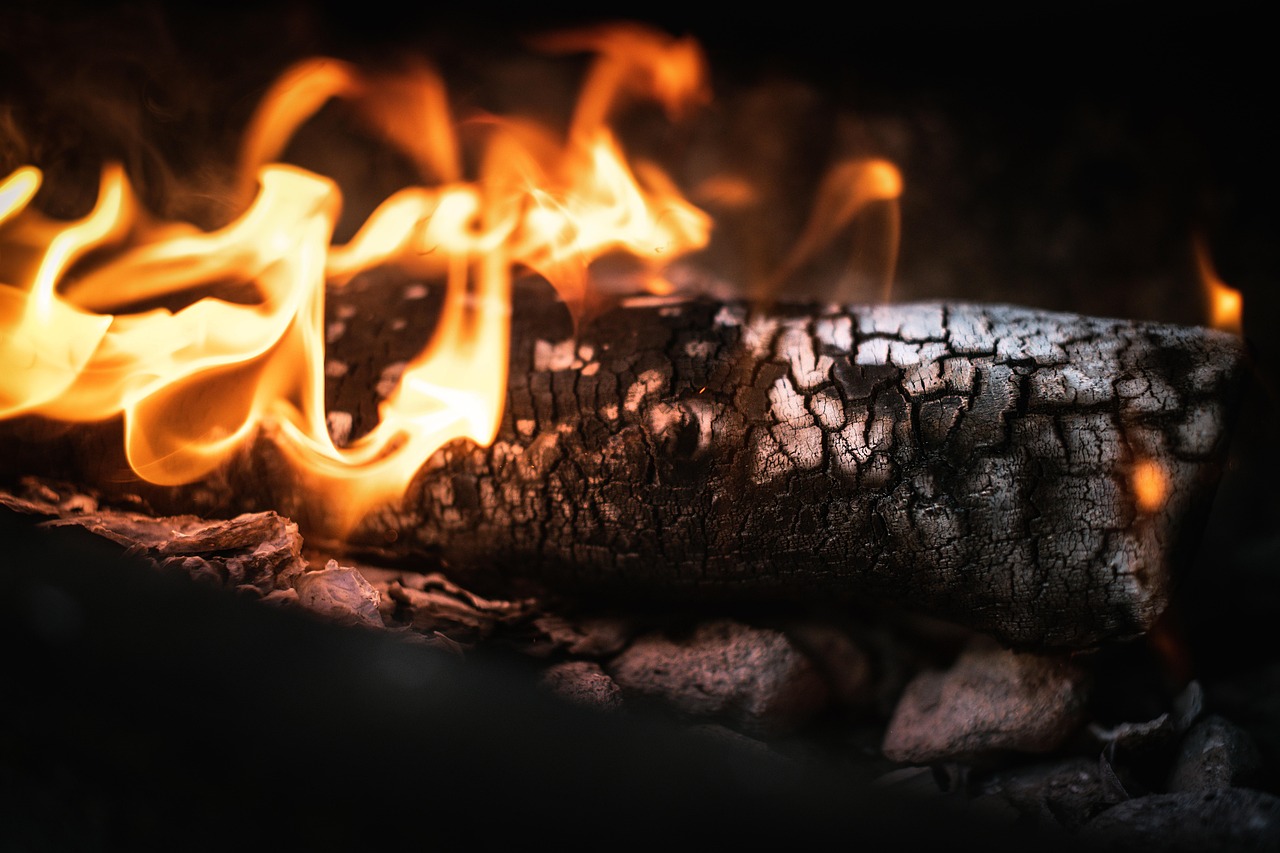
If blood represented life’s essence, fire served as the vehicle carrying offerings heavenward. Smoke rising from sacrificial fires created a visible pathway between earth and sky, carrying prayers and gifts to celestial realms. The transformation of solid matter into ascending vapor perfectly symbolized the transition from physical to spiritual.
Zoroastrian fire temples, some of which have maintained sacred flames for over a thousand years, demonstrate fire’s enduring religious significance. For followers of Zarathustra, fire represents divine light and wisdom. While Zoroastrians don’t practice blood sacrifice, they offer sandalwood and other fragrant substances to the sacred flames, maintaining an ancient tradition of fire-centered worship.
The Greek practice of hecatomb—sacrificing one hundred oxen simultaneously—created spectacular fires whose smoke could be seen for miles. Homer’s epics frequently describe the “savor of burning fat” rising to please the gods. This wasn’t metaphor; Greeks literally believed Olympian deities consumed the aromatic smoke while priests and worshippers feasted on the cooked meat below.
The Purifying Power of Flames
Fire purifies through destruction. Impurities burn away, leaving only essence. This transformative quality made fire indispensable for sacrifice across cultures. Japanese Shinto shrines burn offerings during festivals, the flames cleansing prayers before they ascend to kami spirits. Native American traditions incorporate sacred fires in ceremonies, with smoke carrying prayers to the Great Spirit.
The eternal flames maintained in temples worldwide—from Vesta’s hearth in Rome to the Golden Temple’s Akal Takht—represent continuity, divine presence, and the unbroken relationship between humanity and the sacred. Keeping these flames burning required dedicated priests and constant fuel offerings, themselves forms of ongoing sacrifice.
Sacred Foods and Communal Feasting
Food sacrifice represents perhaps the most universal form of offering, transcending the bloody spectacles that dominated some traditions. Grain offerings, bread, fruits, and prepared dishes appear in virtually every religious tradition, often alongside or instead of animal sacrifice.
Ancient Egyptian mortuary practices included elaborate food offerings placed in tombs. Paintings on tomb walls depict tables laden with bread, beer, meat, and vegetables—provisions for the deceased’s journey through the afterlife. Regular offerings at family shrines kept ancestors fed and favorably disposed toward living relatives.
The Christian Eucharist, while theologically complex, represents a form of food sacrifice and sacred consumption. Bread and wine, transformed (literally or symbolically, depending on denomination) into Christ’s body and blood, are offered and consumed in remembrance and mystical participation in divine sacrifice. This ritual meal connects billions of believers across centuries.
Harvest Offerings and Agricultural Gratitude
Agricultural societies developed elaborate thanksgiving rituals surrounding harvest. First fruits—the initial produce of each growing season—were universally considered sacred and offered to deities before human consumption. This practice acknowledged divine provision and sought continued blessing.
Jewish tradition’s offering of the omer (first sheaf of barley) during Passover established a pattern repeated across cultures. Hindu Pongal celebrations in Tamil Nadu involve boiling newly harvested rice with milk and jaggery as an offering to Surya, the sun god. Korean Chuseok features freshly harvested rice cakes placed on ancestral altars before family consumption.
- First fruits offerings acknowledged divine ownership of the land
- Grain sacrifices sustained temple operations and priestly classes
- Shared sacred meals reinforced community bonds and social hierarchies
- Food offerings allowed participation regardless of wealth
- Vegetarian alternatives provided ethical options within sacrificial systems
The Economics of Sacred Exchange
Sacrifice operated within sophisticated economic systems. Temples functioned as redistribution centers where offerings from the wealthy fed priests, supported temple operations, and often provided for the poor. The sacrificial system wasn’t purely spiritual but deeply embedded in material reality.
Roman temples accumulated enormous wealth through sacrifice. Animals offered to Jupiter or Mars were butchered according to ritual, with portions burned for the god, shares given to priests, and remaining meat sold in temple-affiliated markets. This economic engine funded magnificent architecture, supported professional religious specialists, and reinforced Roman civic religion.
The biblical tithe system required Israelites to offer one-tenth of agricultural produce and livestock. These offerings supported the Levitical priesthood, maintained the Temple, and created a social safety net. Triennial tithes were specifically designated for widows, orphans, and strangers—vulnerable populations protected through the sacrificial economy.
🕊️ Substitution and Symbolic Evolution
Many traditions evolved from literal to symbolic sacrifice over time. The Hebrew akedah—Abraham’s near-sacrifice of Isaac—established the principle of divine rejection of human sacrifice, with a ram substituted at the crucial moment. This narrative shift influenced Judaism, Christianity, and Islam’s rejection of human offering.
Buddhism’s emphasis on ahimsa (non-harm) led to alternative offerings replacing animal sacrifice in many contexts. Instead of blood, Buddhist practitioners offer flowers (representing impermanence), incense (carrying prayers), light (symbolizing wisdom), and water (signifying purity). These substitutions maintain sacrificial structure while eliminating violence.
Modern Jewish practice, following the Temple’s destruction in 70 CE, replaced physical sacrifice with prayer, study, and acts of lovingkindness. The siddur (prayer book) explicitly frames prayer as replacing the ancient sacrificial system. This profound adaptation preserved religious continuity while fundamentally transforming practice.
Contemporary Sacred Meals
Sacrificial feasting continues in adapted forms worldwide. Eid al-Adha commemorates Abraham’s willingness to sacrifice Ishmael (in Islamic tradition) through qurbani—ritual slaughter of sheep, goats, or cattle. The meat is divided into thirds: one for family, one for friends and relatives, and one for the poor, embodying principles of gratitude, community, and charity.
Thanksgiving celebrations in North America, while secularized, retain sacrificial feast structures. Families gather around abundant tables, express gratitude, and share food—echoing ancient harvest festivals’ core elements without explicit religious framing. The turkey, stuffing, and pumpkin pie serve as offerings to togetherness and shared heritage.
The Psychological Dimensions of Sacrifice
Modern scholars recognize sacrifice’s psychological functions beyond theological explanations. Offering something valuable creates investment in religious systems and communities. The act of giving up resources—whether a prized animal, precious grain, or personal time—deepens commitment through cognitive dissonance reduction and investment justification.
Sacrificial rituals provide structure during life transitions and crises. Birth, marriage, death, drought, war, and disease all prompted specific offerings across cultures. These rituals gave communities agency during uncontrollable circumstances, transforming helpless anxiety into purposeful action. Even if offerings didn’t control weather or cure disease, they provided psychological benefits through communal solidarity and ritual engagement.
The communal feast following sacrifice strengthened social bonds. Sharing sacred food created tangible connection among participants, reinforcing group identity and hierarchical structures. Who ate which portions, in what order, at which location—these details encoded and reinforced social organization through ritualized consumption.
Cross-Cultural Patterns and Universal Themes
Despite vast geographical and temporal distances, sacrificial practices share remarkable similarities. This convergent evolution suggests sacrifice addresses fundamental human needs and questions. How do we relate to forces beyond our control? How do we express gratitude, seek forgiveness, or petition for help? How do we create and maintain community?
| Culture | Primary Sacrifice | Sacred Element | Purpose |
|---|---|---|---|
| Ancient Greece | Animal (cattle, sheep) | Fire and blood | Honor gods, seek favor |
| Vedic India | Soma, ghee, animals | Fire (agni) | Cosmic maintenance |
| Aztec | Human blood | Blood | Sustain sun god |
| Ancient Israel | Animals, grain | Fire and blood | Atonement, thanksgiving |
| Traditional Chinese | Food, incense, paper | Fire and smoke | Honor ancestors |
These patterns reveal sacrifice as a fundamental religious technology—a method for negotiating the boundary between sacred and profane, human and divine, mortal and eternal. The specific materials varied by availability and cultural context, but the underlying logic remained consistent.
⚖️ Ethical Considerations and Modern Perspectives
Contemporary ethical sensibilities often clash with historical sacrificial practices. Animal rights advocates challenge religious exemptions for ritual slaughter. Archaeological evidence of human sacrifice raises difficult questions about cultural relativism and universal human rights. How do we understand these practices historically while maintaining ethical standards today?
Many religious communities navigate this tension through reinterpretation. Reform Judaism eliminated sacrificial language from prayer books, while Orthodox Judaism maintains it while acknowledging sacrifices cannot resume without the Temple. Progressive Hindu communities increasingly reject animal sacrifice, emphasizing philosophical traditions that critique ritualism.
Islamic halal and Jewish kosher slaughter methods attempt to minimize animal suffering while maintaining religious requirements. Debates continue about whether these traditional methods are more or less humane than modern industrial practices, revealing how ancient sacrificial concerns with proper treatment intersect with contemporary animal welfare discussions.
🌍 Sacrifice in the Modern World
While dramatic sacrificial rituals have largely disappeared from industrialized societies, the underlying concepts persist in transformed ways. Military sacrifice—giving one’s life for country—employs explicitly sacrificial language. Memorial ceremonies feature eternal flames, ritualized offerings of flowers, and communal meals, echoing ancient patterns.
Environmental movements frame conservation as sacrifice—giving up convenience, consumption, and economic growth for planetary health. Earth Day celebrations, tree planting ceremonies, and beach cleanups incorporate ritualistic elements, creating sacred time and space around ecological commitment. These secular rituals address existential threats through community action and symbolic offering.
Philanthropy and charitable giving represent bloodless sacrifice—offering wealth for communal good. Donor recognition ceremonies, foundation galas, and giving circles create ritualized contexts for these offerings, complete with public acknowledgment and communal celebration. The sacrificial framework persists even when theological justifications disappear.
The Enduring Power of Sacred Exchange
Sacrifice remains compelling because it addresses enduring human experiences: gratitude for blessings received, guilt for wrongs committed, anxiety about uncertain futures, and desire for connection with transcendent meaning. Whether literal or metaphorical, bloody or bloodless, sacrificial thinking structures how humans negotiate these fundamental concerns.
The trinity of blood, fire, and food represents life, transformation, and sustenance—concepts central to human existence across time and culture. When combined in sacred contexts, they create powerful rituals that bind communities, express core values, and maintain cosmic order (as traditionally understood).
Understanding these practices historically enriches appreciation for religious diversity while revealing profound human continuities. The impulse to offer, to give thanks, to seek favor through sacred exchange appears universal. The specific forms vary endlessly, but the underlying pattern persists—humanity reaching beyond itself toward the sacred through carefully prescribed acts of giving.
As we navigate increasingly pluralistic societies, recognizing these common patterns beneath surface differences fosters mutual understanding. Whether gathering for Eucharist, Eid feast, or Thanksgiving dinner, humans continue ancient practices of sacred consumption and communal bonding. The altars may look different, the theological explanations may vary, but the fundamental human impulse to connect through ritualized offering endures across millennia and cultures. 🙏
