
Anúncios
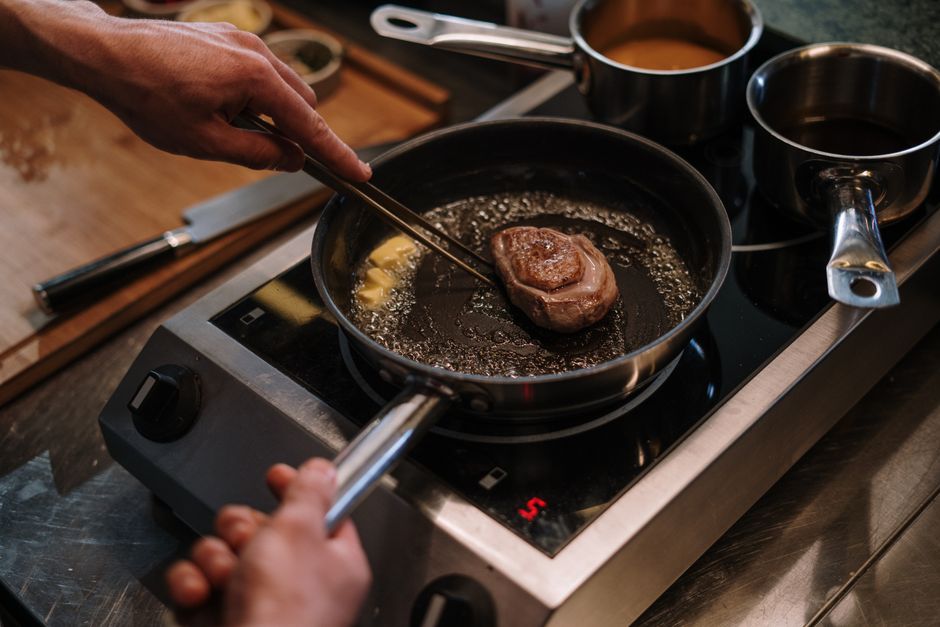
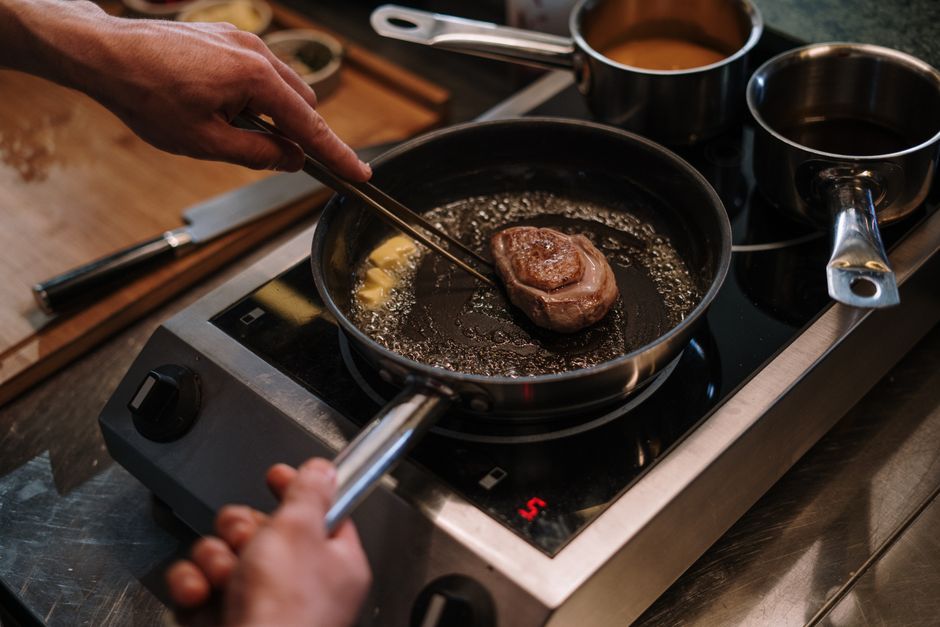
The golden crust on a perfectly seared steak, the irresistible aroma of fresh bread, and the rich complexity of roasted coffee all share one remarkable secret: the Maillard reaction.
This chemical transformation is arguably the most important process in cooking, yet most home cooks have never heard of it. Understanding this fundamental reaction can revolutionize your approach to food preparation, turning simple ingredients into restaurant-quality dishes. Whether you’re grilling meat, baking bread, roasting vegetables, or brewing coffee, the Maillard reaction is working behind the scenes to create the flavors and aromas we crave most.
Anúncios
Named after French chemist Louis-Camille Maillard who first described it in 1912, this reaction occurs when amino acids and reducing sugars interact under heat, creating hundreds of different flavor compounds. The result? That coveted browning, complex taste, and mouthwatering smell that makes cooking so magical.
Anúncios
🔬 The Science Behind the Magic: What Actually Happens During the Maillard Reaction
The Maillard reaction is not a single chemical process but rather a cascade of numerous reactions occurring simultaneously. When you apply heat to foods containing proteins and carbohydrates, amino acids from the proteins react with reducing sugars, initiating a complex series of chemical transformations.
This process typically begins around 285°F (140°C), though it can occur at lower temperatures over longer periods. As the reaction progresses, it produces melanoidins—brown pigments responsible for the characteristic color changes we associate with perfectly cooked food. More importantly, it generates hundreds of volatile compounds that create the distinctive aromas and flavors we find so appealing.
Unlike caramelization, which involves only sugars, the Maillard reaction requires both amino acids and sugars. This is why a piece of bread browns differently than pure sugar—the proteins in flour participate in the Maillard reaction, while sugar alone simply caramelizes.
The Key Players in Flavor Development
The specific amino acids and sugars present in food determine the final flavor profile. Different combinations produce dramatically different results. For example, cysteine-rich proteins combined with glucose create meaty, savory flavors, while other amino acid-sugar combinations might produce nutty, chocolatey, or toasted notes.
Temperature plays a crucial role in determining which reactions occur and how quickly they progress. Higher temperatures accelerate the reaction but can also lead to burning if not carefully controlled. This is why techniques like searing at high heat followed by lower-temperature cooking produce such excellent results—you get maximum browning without overcooking the interior.
🍳 Mastering Heat: The Temperature Sweet Spot for Maximum Flavor
Understanding the optimal temperature range for the Maillard reaction is essential for achieving culinary excellence. While the reaction can begin as low as 230°F (110°C), the sweet spot for most cooking applications falls between 300°F and 500°F (150°C to 260°C).
At lower temperatures within this range, the reaction proceeds slowly, allowing for gentle browning and flavor development without risk of burning. This approach works beautifully for roasting vegetables or slow-cooking meats. At higher temperatures, the reaction accelerates dramatically, creating the deeply browned crust on a perfectly seared steak in just minutes.
Why Surface Dryness Matters More Than You Think
One of the most overlooked aspects of achieving optimal Maillard browning is surface moisture. Water on the surface of food must evaporate before the temperature can rise high enough for the reaction to occur efficiently. This is why patting meat dry before searing makes such a dramatic difference in browning quality.
Professional chefs often air-dry proteins in the refrigerator overnight to remove surface moisture. This simple technique allows the Maillard reaction to begin immediately when the food hits the hot pan, rather than wasting precious cooking time evaporating water.
🥩 Transforming Proteins: From Bland to Bold
The Maillard reaction’s impact on protein-rich foods is nothing short of transformative. A plain chicken breast, for example, tastes relatively mild when boiled or steamed. But sear that same chicken in a hot pan, and the Maillard reaction creates a complex symphony of savory flavors that make the dish infinitely more appealing.
Red meat benefits even more dramatically from proper browning. The combination of amino acids and sugars naturally present in beef, lamb, and pork creates particularly rich, savory flavors when exposed to high heat. This explains why a well-seared steak with a dark brown crust tastes so much better than one that’s been gently poached.
The Secret to Perfect Searing Every Time
Achieving restaurant-quality searing at home requires understanding a few key principles. First, your cooking surface must be hot enough—typically around 400-450°F (200-230°C) for optimal results. A cold pan produces steaming rather than searing, resulting in gray, unappealing meat.
Second, resist the urge to move food around in the pan. Proteins need uninterrupted contact with the hot surface to develop that beautiful brown crust. Flip only once, and you’ll be rewarded with even browning and superior flavor development.
- Preheat your pan thoroughly before adding food
- Pat proteins completely dry with paper towels
- Don’t overcrowd the pan—leave space between pieces
- Use oils with high smoke points like avocado or grapeseed oil
- Season generously with salt to draw out surface moisture
- Allow food to rest briefly after cooking to redistribute juices
🍞 Baking Brilliance: How the Maillard Reaction Creates Bread’s Golden Crust
The intoxicating aroma of freshly baked bread owes its existence almost entirely to the Maillard reaction. As bread bakes, the proteins in flour react with naturally present sugars, creating hundreds of aromatic compounds that make bakeries so irresistible.
The crust of bread experiences the highest temperatures during baking, which is why it develops the most intense Maillard flavors and darkest coloration. The interior, which rarely exceeds 212°F (100°C) due to its moisture content, experiences minimal browning, resulting in the characteristic contrast between crust and crumb.
Techniques for Enhanced Bread Browning
Professional bakers employ several techniques to maximize Maillard reaction in bread. Steam injection during the initial baking phase keeps the crust soft longer, allowing it to expand more before setting. Once the steam is released, the dry heat promotes rapid browning and crust development.
Adding small amounts of diastatic malt powder to bread dough provides extra enzymes that break down starches into sugars, giving the Maillard reaction more fuel. This results in deeper browning and more complex flavors in the finished loaf.
🥕 Vegetable Alchemy: Bringing Out Hidden Sweetness and Depth
Vegetables might not seem like obvious candidates for the Maillard reaction, but they contain both amino acids and sugars, making them capable of dramatic flavor transformation through proper cooking techniques.
Roasting vegetables at high heat—around 425°F (220°C)—allows their surfaces to brown beautifully while the interiors become tender. This process transforms bitter Brussels sprouts into sweet, caramelized delights and turns bland carrots into intensely flavorful side dishes.
The key difference between steamed and roasted vegetables lies entirely in the Maillard reaction. Steaming keeps vegetables below the temperature threshold for browning, preserving their original flavors but adding nothing new. Roasting or grilling, on the other hand, creates entirely new flavor compounds that make vegetables infinitely more appealing, especially to reluctant vegetable eaters.
Mastering the Art of Vegetable Roasting
For optimal Maillard browning on vegetables, cut pieces to consistent sizes ensuring even cooking. Toss them lightly with oil to promote heat transfer and browning, but don’t overdo it—too much oil can actually inhibit browning by lowering the effective cooking temperature.
Space vegetables out on the roasting pan rather than crowding them. Overcrowding traps steam, preventing the high surface temperatures needed for browning. When vegetables have room to breathe, their surfaces dry quickly and brown beautifully.
☕ Beyond the Kitchen: The Maillard Reaction in Coffee and Chocolate
The Maillard reaction doesn’t just happen in your kitchen—it’s crucial to the flavors of coffee and chocolate long before these products reach your home. Coffee roasting relies heavily on the Maillard reaction to develop the complex flavors we associate with our morning brew.
Raw coffee beans taste nothing like roasted coffee. During roasting, temperatures between 350-450°F (175-230°C) trigger extensive Maillard reactions, creating the hundreds of aromatic compounds that give coffee its characteristic flavor and aroma. Lighter roasts preserve more origin characteristics, while darker roasts emphasize Maillard-derived flavors like chocolate, caramel, and nuts.
Similarly, chocolate manufacture depends on the Maillard reaction during the roasting of cocoa beans. The specific temperatures and durations used during roasting dramatically influence the final flavor profile of chocolate, creating the difference between fruity, acidic chocolates and deeply roasted, earthy varieties.
🎯 Common Mistakes That Prevent Perfect Browning
Even understanding the Maillard reaction, many home cooks make simple mistakes that prevent optimal browning and flavor development. Recognizing and correcting these errors can immediately elevate your cooking results.
The most common mistake is insufficient heat. Timid cooks often use medium or medium-low heat when searing, resulting in steaming rather than browning. Food releases moisture that can’t evaporate quickly enough, preventing the surface from reaching Maillard temperatures. The result? Gray, boiled-looking food instead of beautifully browned ingredients.
The Overcrowding Problem
Placing too much food in a pan at once drops the cooking surface temperature dramatically and traps steam between pieces. This creates a humid environment incompatible with browning. Cook in batches if necessary—the improved results are always worth the extra time.
Another frequent error is flipping or moving food too often. Constant movement prevents sustained contact with the hot cooking surface, interrupting crust formation. Practice patience—let food sit undisturbed until it releases easily from the pan, indicating proper browning has occurred.
🌡️ Controlling pH: The Hidden Factor in Browning Success
The acidity or alkalinity of food significantly affects the Maillard reaction rate. Alkaline conditions accelerate the reaction, while acidic conditions slow it down. This explains why adding a pinch of baking soda to onions causes them to brown much faster when caramelizing.
Marinades containing acidic ingredients like lemon juice or vinegar can actually inhibit browning if not properly managed. If you marinate meat in acidic ingredients, pat it extremely dry before cooking and consider slightly increasing your cooking temperature to compensate for the slower reaction rate.
Conversely, you can intentionally use alkalinity to your advantage. Blanching vegetables briefly in water with a small amount of baking soda before roasting can enhance browning, though this technique requires a light touch to avoid creating soapy flavors or mushy textures.
🔪 Equipment Choices That Maximize Maillard Magic
The tools you choose significantly impact your ability to achieve optimal Maillard browning. Cast iron and carbon steel pans excel at high-heat searing because they retain heat exceptionally well, maintaining temperature even when cold food is added.
Stainless steel pans also work excellently for browning, especially ones with thick, multi-ply construction that distributes heat evenly. Non-stick pans, while convenient, typically can’t withstand the high temperatures optimal for Maillard reactions and should be reserved for delicate items that don’t require browning.
Why Oven Choice Matters for Roasting
Convection ovens significantly enhance browning compared to conventional ovens. The circulating air removes moisture from food surfaces more efficiently and promotes more even browning. If you have a convection setting, use it for roasting vegetables and proteins—just remember to reduce temperature by about 25°F (15°C) to prevent over-browning.
✨ Practical Applications: Putting Knowledge Into Action
Understanding the Maillard reaction theory means nothing without practical application. Start implementing these principles immediately by focusing on one technique at a time. Begin with something simple like pan-searing chicken thighs or roasting vegetables.
Pay attention to the visual cues that indicate proper Maillard browning: a deep golden-brown color, aromatic compounds that smell savory and complex, and easy release from the cooking surface. These signs tell you the reaction is proceeding optimally.
Document your results by taking notes on what works. Record temperatures, cooking times, and techniques that produce the best outcomes. Over time, you’ll develop an intuitive understanding of how to manipulate the Maillard reaction to achieve exactly the flavors you want.
🎨 The Art and Science of Flavor Layering
Advanced cooks use the Maillard reaction multiple times throughout a single dish to build complex flavor layers. For example, when making a stew, brown the meat first, then brown the vegetables separately, and finally deglaze the pan to capture all those flavorful brown bits.
Each browning step adds different flavor compounds to the final dish. The meat contributes savory, meaty notes; the vegetables add sweetness and complexity; and the deglazing captures concentrated flavors that would otherwise be lost. This layering technique separates good home cooking from exceptional culinary experiences.
The same principle applies to baking. Toasting nuts before adding them to baked goods intensifies their flavor through the Maillard reaction. Browning butter before using it in cookies adds nutty, caramelized notes that plain melted butter cannot provide.
🍽️ Revolutionizing Your Everyday Cooking
The Maillard reaction isn’t just for special occasions or fancy recipes—it should inform your everyday cooking decisions. Something as simple as toasting bread properly transforms breakfast. Rather than barely warming bread, toast it until golden brown to activate the Maillard reaction, creating complex flavors and appealing texture.
When reheating leftovers, consider using methods that promote browning rather than just warming. Reheating pizza in a hot skillet rather than the microwave uses the Maillard reaction to re-crisp the crust. Reheating rice in a hot pan with a little oil creates delicious browned bits that make leftovers taste fresh and interesting.
Even subtle adjustments make differences. Browning ground meat more thoroughly before adding other ingredients, letting pancakes develop proper color before flipping, or ensuring your oven is fully preheated before roasting—these small changes compound into dramatically improved results.
The beauty of understanding the Maillard reaction lies in its universal applicability. Whether you’re cooking protein, vegetables, grains, or baked goods, the principles remain constant: sufficient heat, dry surfaces, proper equipment, and patience to let the reaction proceed. Master these fundamentals, and you’ll unlock flavors you never knew existed in ordinary ingredients, transforming your cooking from merely adequate to genuinely exceptional. The difference between average home cooking and culinary excellence often comes down to this single chemical reaction—now that you understand it, you hold the secret to flavor that professional chefs have known for generations. 🌟
