
Anúncios
Underground supper clubs are transforming how adventurous diners experience food, creating intimate gatherings that challenge traditional restaurant culture with mystery, community, and culinary innovation.
Anúncios
🍽️ What Makes Underground Supper Clubs Different from Traditional Dining
The underground dining movement represents a radical departure from conventional restaurant experiences. Unlike mainstream food festivals that draw thousands to public spaces with predictable vendor lineups, supper clubs operate in the shadows—literally and figuratively. These clandestine culinary gatherings occur in unconventional spaces: private apartments, rooftop gardens, abandoned warehouses, or artist studios transformed temporarily into dining rooms.
Anúncios
What distinguishes these events is their ephemeral nature and exclusivity. Participants typically discover them through word-of-mouth, secret social media groups, or encrypted invitations. The locations remain undisclosed until hours before the event, adding an element of adventure that mainstream dining simply cannot replicate. This mystery creates anticipation that begins long before the first course arrives.
The dining experience itself breaks traditional rules. Forget reservations weeks in advance at established restaurants with Michelin stars. Underground supper clubs embrace spontaneity, experimental cuisine, and social connection among strangers who share a passion for culinary exploration. Guests sit communally, often at long tables that encourage conversation across the room rather than insular dining with only their immediate companions.
The Origins and Evolution of Secret Dining Experiences
The underground dining phenomenon didn’t emerge from nowhere. Its roots trace back to several cultural movements and practical necessities. In Cuban communities, paladares—private restaurants operating from homes—developed during economic hardships when official establishments couldn’t meet demand. These informal dining spaces became cultural institutions, offering authentic cuisine in intimate settings.
Similarly, speakeasies during Prohibition created a template for secret gathering spaces centered around consumption and community. The thrill of accessing something forbidden or exclusive has always held powerful appeal. Modern supper clubs inherited this DNA of secrecy and rebellion against regulatory structures.
The 2008 financial crisis accelerated the movement’s growth. Professional chefs found themselves unemployed or underemployed, yet still passionate about cooking. Simultaneously, adventurous diners sought affordable alternatives to expensive fine dining. Supper clubs provided the perfect solution—allowing chefs to showcase creativity without restaurant overhead while offering guests exceptional meals at reasonable prices.
Social media transformed these scattered experiments into a global movement. Instagram became the perfect platform for sharing beautiful food imagery while maintaining operational secrecy through direct messages and private groups. What began as necessity evolved into intentional countercultural dining philosophy.
🔐 How Underground Supper Clubs Actually Operate
The operational mechanics of supper clubs vary considerably, but certain patterns emerge across successful events. Most operate on a reservation system requiring advance payment, often through digital platforms like Venmo, PayPal, or cryptocurrency to maintain discretion. Prices typically range from $40 to $150 per person, positioning them between casual dining and high-end restaurants.
The secrecy serves multiple purposes beyond creating mystique. Many supper clubs operate in legal gray zones, particularly regarding health permits, alcohol licenses, and zoning regulations. While some organizers obtain proper licensing, others embrace the underground designation literally, operating without official sanction. This regulatory ambiguity contributes to both the appeal and controversy surrounding these events.
Communication happens primarily through encrypted channels. Potential guests might join a Telegram group, subscribe to an email list, or follow a private Instagram account. When an event is scheduled, invitations go out with limited details. Confirmation typically comes 24-48 hours beforehand with the address and any special instructions about entry codes, appropriate attire, or contribution expectations.
The dining format itself varies dramatically. Some supper clubs feature a single chef presenting a tasting menu, while others organize collaborative dinners where multiple cooks contribute courses. Many incorporate entertainment—live music, poetry readings, or art installations—transforming the meal into a comprehensive sensory experience rather than just eating.
The Chefs Behind the Underground Movement
Who organizes these clandestine culinary experiences? The chef profiles are remarkably diverse. Some are professionally trained culinary school graduates who prefer creative freedom over restaurant kitchens’ hierarchical constraints. Others are self-taught home cooks with exceptional skills who turned passionate hobbies into side businesses or full-time ventures.
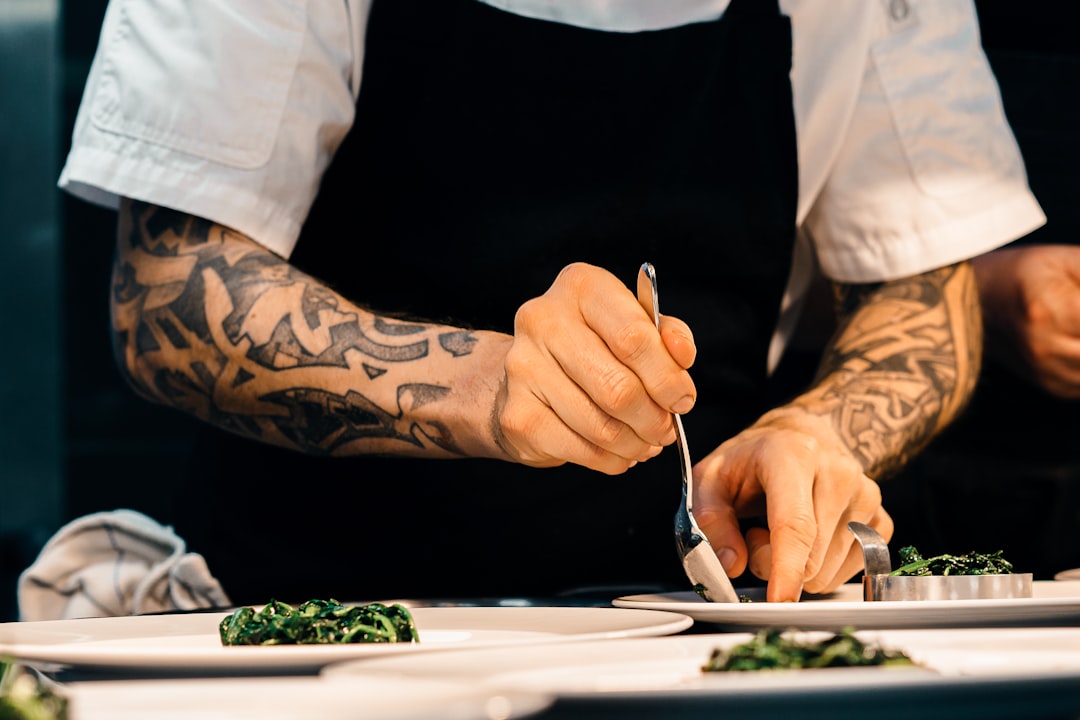
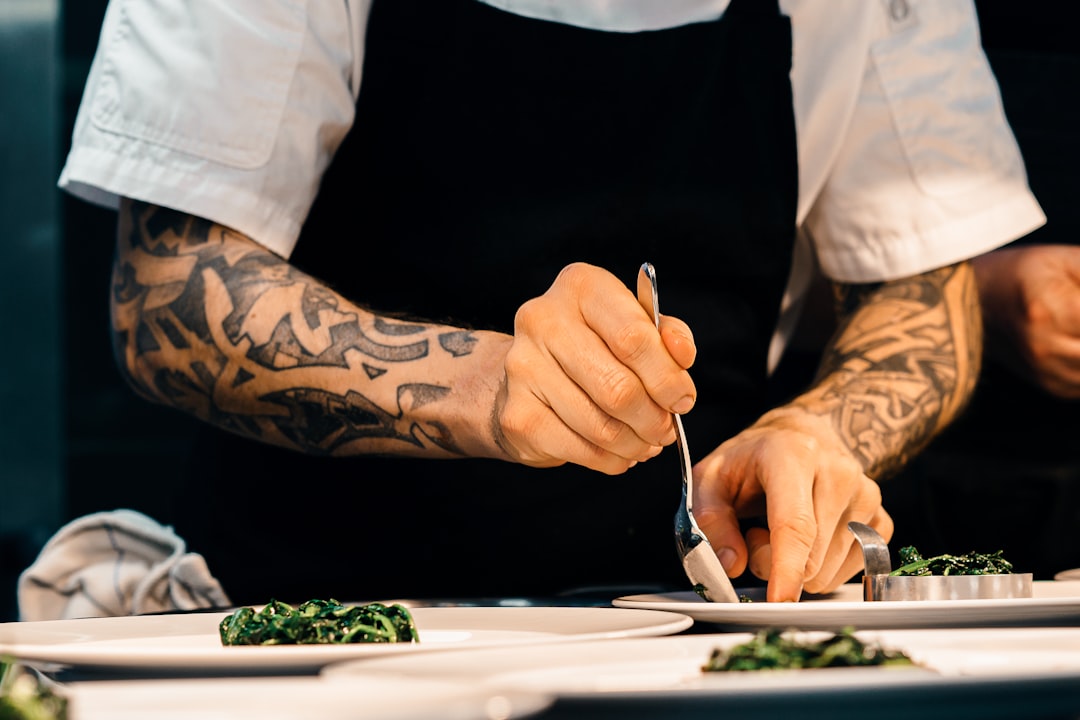
Many supper club chefs appreciate the direct relationship with diners that underground dining facilitates. In traditional restaurants, kitchen staff rarely interact with guests. At supper clubs, chefs often serve dishes personally, explaining inspiration and ingredients, receiving immediate feedback. This connection creates meaningful relationships and loyal followings.
The format also allows culinary risk-taking impossible in conventional establishments. A restaurant must consider broad appeal and consistent execution across hundreds of services. Supper club chefs can experiment with unusual ingredients, challenging flavor combinations, or culturally specific dishes that might not survive mainstream scrutiny. If an experiment fails, only twenty guests experienced it rather than jeopardizing a restaurant’s reputation.
Several successful restaurant concepts originated as supper clubs. The model provides low-risk testing grounds for menu concepts, service styles, and brand identity before committing to significant capital investment in brick-and-mortar establishments.
🌍 Underground Dining Across Different Cities and Cultures
The underground supper club phenomenon manifests differently across global cities, reflecting local food cultures and regulatory environments. In New York City, supper clubs often emphasize multicultural fusion, bringing together ingredients and techniques from the city’s diverse immigrant communities. Brooklyn’s underground dining scene particularly thrives in converted industrial spaces that capture the borough’s creative energy.
London’s supper club culture leans heavily into the speakeasy aesthetic, with many events occurring in Victorian-era buildings or repurposed historical spaces. British organizers often incorporate theatrical elements, sometimes requiring passwords or solving puzzles to gain entry, amplifying the experience’s exclusivity.
In Los Angeles, underground dining frequently connects with the entertainment industry, featuring celebrity chef collaborations or themed dinners tied to film releases. The city’s year-round pleasant weather enables outdoor supper clubs in private gardens and hillside properties with spectacular views.
Asian cities like Tokyo, Hong Kong, and Bangkok have rich traditions of intimate dining experiences, though cultural contexts differ. Tokyo’s underground dining often focuses on hyper-specialized cuisine—a chef dedicating the evening to perfect sushi, ramen, or kaiseki. These events emphasize mastery and tradition rather than experimental fusion.
Latin American cities embrace the social aspects, with supper clubs functioning as extended family gatherings. Buenos Aires hosts underground asados where whole lambs roast over open fires while guests dance tango between courses. These events blur lines between dinner party and cultural celebration.
The Community and Social Dynamics of Secret Dining
Perhaps the most compelling aspect of underground supper clubs is their ability to create community among strangers. Traditional restaurant dining maintains clear boundaries between parties—you sit with your group, occasionally acknowledging neighboring tables but maintaining privacy. Supper clubs intentionally dissolve these barriers.
The communal seating arrangement forces interaction. Guests must introduce themselves, pass serving dishes, and navigate shared space. This initial awkwardness typically transforms into genuine connection as the evening progresses and wine flows. Many participants report making lasting friendships or professional connections through supper club attendance.
The shared sense of being “in the know” creates bonding. Attendees feel they’ve accessed something special that mainstream diners miss. This exclusivity—whether real or perceived—generates group identity and loyalty. Regular attendees often form tight-knit communities, attending multiple events together and recruiting friends into the fold.
For many, especially those new to cities or seeking social connections beyond dating apps and coworkers, supper clubs provide welcoming environments. The structured activity of eating together reduces social anxiety while providing natural conversation topics around food, flavors, and the experience itself.
🎨 The Intersection of Food, Art, and Experience Design
Contemporary supper clubs increasingly embrace comprehensive experience design rather than focusing solely on food. Organizers consider every element—invitations, space design, music selection, serving vessels, lighting, and guest flow—as opportunities for creative expression.
Some events partner with visual artists who create installation pieces or live painting during the meal. Others collaborate with musicians for original compositions accompanying specific courses. The goal is synesthetic experience where taste, sound, sight, smell, and touch harmonize into cohesive artistic statements.
Thematic dinners transport guests to specific times, places, or concepts. A “1920s Paris” supper club might serve period-appropriate French cuisine in a space decorated with Art Deco elements while jazz musicians perform. A “future food” event could explore sustainable protein sources and molecular gastronomy techniques in a minimalist environment with electronic soundscapes.
This experiential focus reflects broader cultural shifts toward valuing experiences over possessions, particularly among younger demographics. Supper clubs sell not just meals but memories and stories guests share through social media and conversation.
Legal Considerations and Regulatory Gray Zones
The underground dining movement exists in complicated legal territory that varies by jurisdiction. Most cities require food service establishments to obtain health permits, business licenses, and liability insurance. Alcohol service typically requires separate licensing with stringent requirements.
Many supper clubs operate without these permits, either unaware of requirements or intentionally avoiding regulatory costs and restrictions. This creates potential risks for both organizers and guests. Without health inspections, food safety depends entirely on individual chef standards. Without liability insurance, injuries or illnesses could result in significant financial consequences.
Some jurisdictions have begun addressing the phenomenon. California’s Homemade Food Operations Act and similar legislation in other states created frameworks for selling certain homemade foods, though restaurant-style operations remain restricted. A few forward-thinking cities have developed permit categories specifically for pop-up dining events, acknowledging the movement’s popularity while establishing basic safety standards.
The regulatory ambiguity contributes to the underground appeal but also creates vulnerability. High-profile closures or illness outbreaks occasionally occur, generating negative publicity that affects the broader movement. Many established supper club organizers now advocate for obtaining proper licensing, arguing that legitimacy enables sustainable operations without constant closure fears.
💡 How Technology Enables and Shapes Underground Dining
Modern underground supper clubs couldn’t exist without digital technology. Discovery happens primarily through social media platforms, with Instagram serving as the primary marketing channel. Chefs showcase their culinary aesthetics through carefully curated feeds that attract potential guests while maintaining operational discretion through direct messaging.
Payment processing applications enable seamless transactions without requiring merchant accounts or point-of-sale systems. Platforms like Venmo, Cash App, and PayPal facilitate instant payment collection, while cryptocurrency options appeal to privacy-conscious organizers and guests.
Communication platforms with encryption features—Telegram, Signal, WhatsApp—allow organizers to build communities and distribute information while maintaining privacy. These channels enable rapid communication of location details, menu changes, or last-minute adjustments that would be impossible through traditional marketing methods.
Some entrepreneurs have developed platforms specifically for connecting supper club organizers with potential guests. These marketplaces function like Airbnb for dining experiences, providing discovery mechanisms, review systems, and payment processing while allowing organizers to maintain their unique identities and operational styles.
The Future of Underground Dining Experiences
As underground supper clubs gain mainstream attention, questions arise about whether success undermines their essential character. Can dining experiences remain “underground” when featured in major publications and attended by hundreds weekly across major cities?
The movement appears to be bifurcating. Some organizers embrace growth, professionalizing operations, obtaining permits, and scaling to larger audiences. These entities essentially become alternative restaurant models—pop-up dining concepts with flexible locations but established brands and consistent operations.
Others intentionally maintain small scale and secrecy, viewing exclusivity as essential to the experience. These truly underground operations limit attendance to trusted community members, rotate locations frequently, and avoid publicity beyond closed networks.
Emerging trends suggest continued evolution. Virtual reality could enable remote participation in supper clubs, with guests experiencing meals through sensory technology while chefs perform in different locations. Sustainability-focused supper clubs emphasize zero-waste cooking, foraged ingredients, and environmental education alongside dining.
The COVID-19 pandemic significantly impacted underground dining, forcing temporary closures but also accelerating innovation. Many organizers pivoted to outdoor events, meal kit delivery with virtual cooking classes, or extremely small gatherings. These adaptations may permanently expand what underground dining encompasses.
🎭 Why Underground Supper Clubs Matter Beyond the Food
The significance of underground supper clubs extends beyond culinary innovation. These events represent resistance to corporate homogenization of dining experiences. As restaurant chains dominate landscapes and algorithmic recommendations guide food choices, supper clubs offer authentic alternatives created by individuals with personal visions.
They democratize fine dining by removing barriers of formality, dress codes, and intimidating service styles that alienate many people from upscale restaurants. The casual atmosphere and communal seating make exceptional cuisine accessible to those who might feel uncomfortable in traditional fine dining environments.
Underground dining also preserves and celebrates cultural culinary traditions that might otherwise disappear. Immigrant chefs share authentic dishes from their heritage without compromising for mainstream palates. Regional specialties too specific for broad appeal find appreciative audiences within supper club communities.
Perhaps most importantly, these gatherings create human connection in increasingly digital, isolated societies. Sharing meals with strangers builds empathy and community in ways that online interaction cannot replicate. In this sense, underground supper clubs aren’t primarily about food at all—they’re about remembering that eating together is fundamentally communal, connecting us to traditions thousands of years old.
Joining the Underground Dining Revolution
For those intrigued by underground supper clubs, entry requires some detective work. Start by following food-focused social media accounts in your city, paying attention to hashtags like #supperclub, #secretdinner, or #undergrounddining. Join local foodie groups on Facebook or Reddit where members share information about upcoming events.
Attend food festivals and markets where supper club organizers often promote upcoming events. Strike up conversations with vendors and chefs about the local underground dining scene. Word-of-mouth remains the primary discovery mechanism, so building connections within food communities opens doors.
When attending your first supper club, approach with openness and curiosity. Embrace the communal atmosphere by introducing yourself to fellow guests. Ask questions about dishes and ingredients—chefs appreciate genuine interest. Respect house rules about photography if organizers request discretion.
Consider the experience holistically rather than comparing it directly to restaurant dining. You’re purchasing not just a meal but an adventure, social experience, and support for independent culinary artists. The occasional imperfection or improvisation is part of the charm, reflecting the authentic, human-scaled nature of these gatherings.
Underground supper clubs represent more than a dining trend—they’re a movement reclaiming food experiences from commercialization, creating spaces for authentic connection, culinary experimentation, and community building. As mainstream food culture becomes increasingly predictable and corporate, these secret dining experiences offer thrilling alternatives that nourish both body and soul. Whether seeking culinary adventure, social connection, or simply exceptional meals in unexpected places, the underground dining revolution welcomes those willing to venture beyond familiar territory into the delicious unknown. 🌟
