
Anúncios
The Industrial Revolution didn’t just change how we work—it fundamentally transformed what we eat, how food is produced, and our entire relationship with sustenance.
Anúncios
🏭 When Steam Engines Met Agricultural Fields
Before the late 18th century, food production remained remarkably unchanged for millennia. Families worked their own plots of land, consumed what they grew, and preserved food through traditional methods like salting, smoking, and drying. The rhythm of eating followed the seasons strictly—strawberries in summer, root vegetables in winter, and nothing outside nature’s schedule.
Anúncios
The Industrial Revolution, beginning around 1760 in Britain and spreading globally throughout the 19th century, introduced mechanization, urbanization, and new technologies that would forever alter humanity’s dietary landscape. What started with textile mills and coal mines eventually revolutionized agriculture, food processing, preservation, and distribution in ways our ancestors could never have imagined.
This transformation wasn’t instantaneous or uniform. It unfolded across decades, creating winners and losers, solving ancient problems while creating entirely new ones. Understanding this shift helps us comprehend our modern food system’s complexity, benefits, and ongoing challenges.
The Mechanization of Agriculture: Goodbye Scythe, Hello Thresher
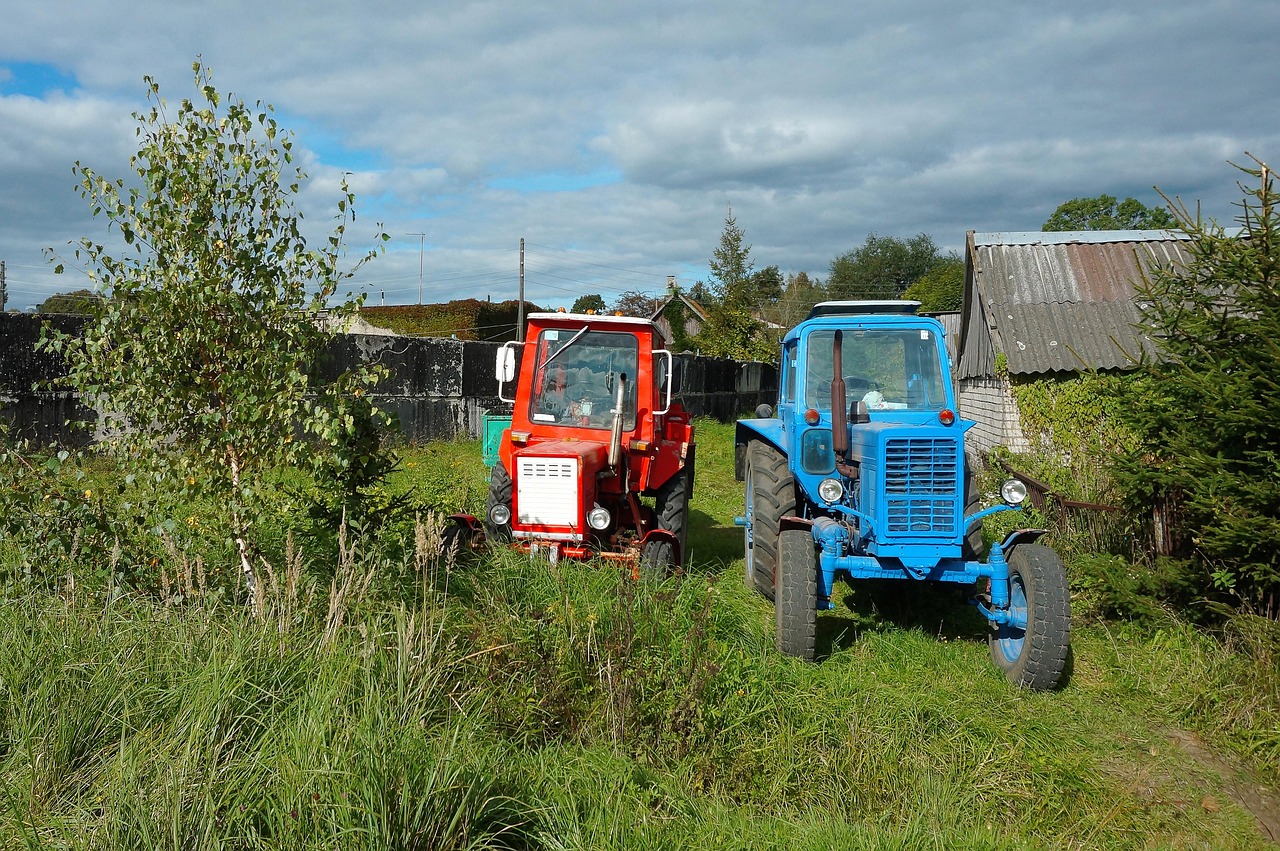
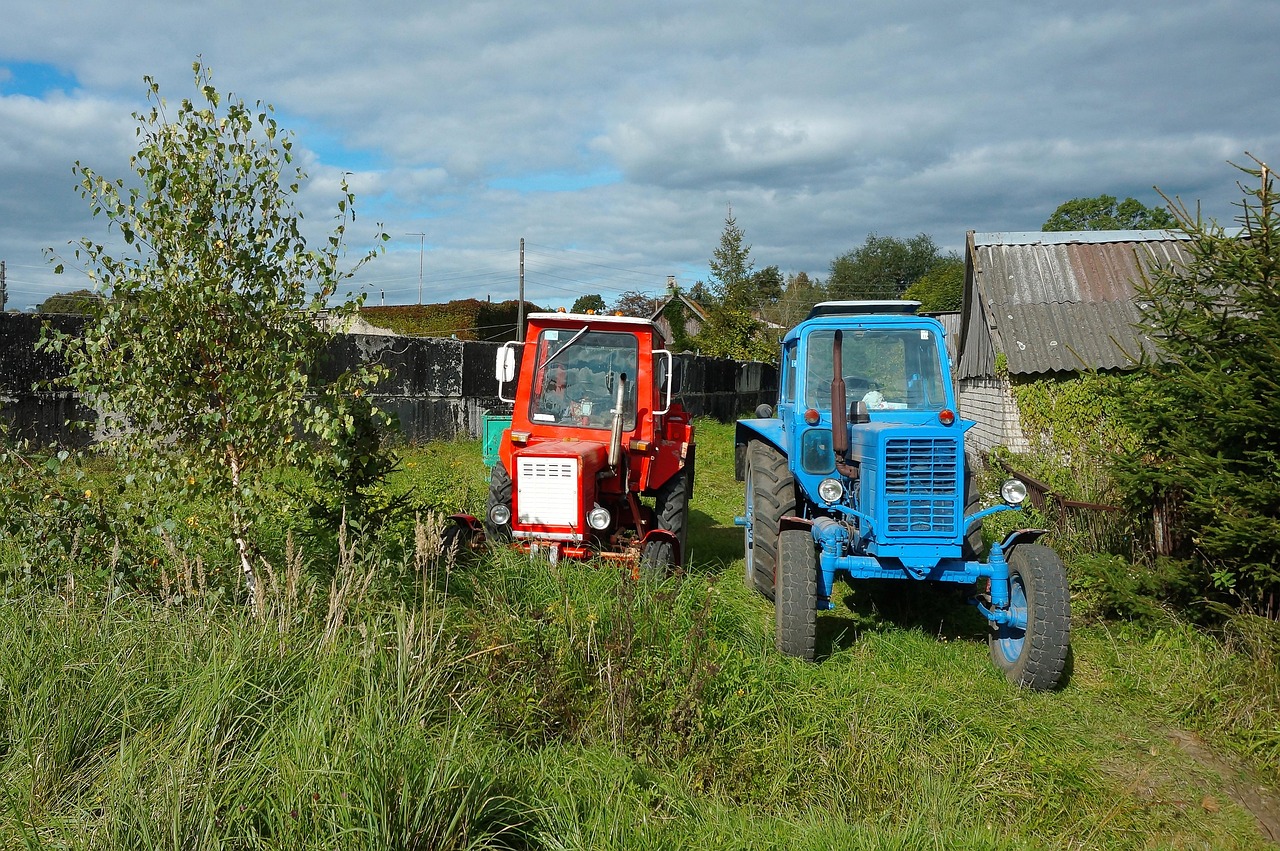
Agricultural mechanization represented the first seismic shift in food production. For thousands of years, farming relied entirely on human and animal muscle power. A farmer with a scythe could harvest about an acre of wheat per day—backbreaking work that required entire communities during harvest season.
The invention of mechanical reapers, threshers, and eventually combined harvesters multiplied productivity exponentially. Cyrus McCormick’s mechanical reaper, patented in 1834, allowed one person to harvest as much grain as five workers with traditional tools. Later innovations like steam-powered threshers and tractors continued this productivity explosion.
The Numbers Tell the Story 📊
The impact of agricultural mechanization becomes clear when examining productivity statistics. In 1800, approximately 90% of the American population worked in agriculture. By 1900, that figure dropped to 40%, and today it sits below 2%—yet we produce vastly more food than ever before.
This dramatic shift meant fewer hands were needed in fields, driving massive rural-to-urban migration. Displaced agricultural workers became factory employees, domestic servants, and city dwellers. This demographic transformation created both the labor force for industrial factories and a concentrated urban population that needed to be fed—people who no longer grew their own food.
The Birth of Food Processing: From Kitchen to Factory Floor
As populations concentrated in cities, traditional food preparation methods proved inadequate. Urban workers couldn’t spend hours baking bread, churning butter, or preserving vegetables. The solution came through industrialized food processing—moving food preparation from individual kitchens to centralized factories.
Flour milling exemplifies this transition perfectly. Traditional stone mills ground grain slowly, producing relatively small quantities. The introduction of steel roller mills in the 1870s revolutionized flour production, creating finer, whiter flour at unprecedented scales. While nutritionally inferior to whole grain flour (the bran and germ were removed), this refined white flour became a status symbol and dominated markets.
Canning: Napoleon’s War Tech Feeds the Masses 🥫
Perhaps no food technology better symbolizes the Industrial Revolution’s impact than canning. Developed by Nicolas Appert in 1809 to feed Napoleon’s armies, canning allowed food preservation without refrigeration. By the mid-19th century, canned goods became commercially available, fundamentally changing dietary possibilities.
Suddenly, sailors could avoid scurvy with canned citrus, city dwellers could enjoy summer vegetables in February, and remote mining camps could access diverse nutrition. The California Gold Rush (1848-1855) and westward American expansion would have been far more difficult without canned provisions.
Canning factories became major employers, particularly for women and immigrants. These facilities operated with assembly-line efficiency, processing tons of fruits, vegetables, meats, and fish daily. By 1870, American canning facilities produced approximately 30 million cans annually—a number that would multiply many times over in subsequent decades.
Refrigeration: The Cold Chain Revolution ❄️
If canning preserved food through sterilization, refrigeration preserved it through temperature control—arguably an even more transformative technology. Before mechanical refrigeration, people relied on icehouses, cellars, and winter weather. Diet remained heavily localized and seasonal despite other industrial advances.
The development of mechanical refrigeration in the 1870s and 1880s, along with insulated railroad cars, created the “cold chain”—a temperature-controlled distribution system stretching from farm to table. This innovation particularly transformed meat consumption patterns.
Meat for the Masses
Before refrigeration, fresh meat was a luxury available only to those living near farms or slaughterhouses. Urban populations consumed mostly preserved meats—salted, smoked, or dried. Refrigerated railroad cars, perfected by Gustavus Swift in the 1880s, allowed Chicago meatpackers to slaughter cattle in centralized facilities and ship fresh beef nationwide.
This centralization dramatically reduced costs while raising concerning questions about food safety and working conditions—issues exposed famously in Upton Sinclair’s “The Jungle” (1906). The Industrial Revolution made meat more affordable and accessible, but at significant social and ethical costs that societies continue grappling with today.
Refrigeration also revolutionized dairy consumption. Fresh milk, previously available only to rural populations or urban dwellers with backyard cows, became a staple citywide. Refrigerated distribution combined with pasteurization (developed by Louis Pasteur in the 1860s) made milk safer and more widely available than ever before.
Transportation Networks: Railroads Reshape Diets 🚂
The expansion of railroad networks created unprecedented food distribution possibilities. What good were mechanized farms and processing factories if products couldn’t reach consumers? Railroads solved this challenge, compressing distance and time in revolutionary ways.
Fresh produce from California could reach New York within days rather than weeks or months. Florida oranges became a winter staple throughout the northern United States. Argentine beef reached European tables. The global food trade, while existing for centuries with spices and preserved goods, exploded with fresh products once railroads connected to refrigerated ships.
This transportation revolution had profound dietary consequences. Regional cuisines began homogenizing as the same products became available everywhere. Seasonal eating patterns weakened as distant climates provided year-round variety. The concept of “food miles”—the distance food travels from production to consumption—became increasingly relevant, though this terminology wouldn’t emerge until the late 20th century.
The Chemical Revolution in Food 🧪
The Industrial Revolution wasn’t only mechanical; it was chemical. Scientists began understanding food composition, nutrition, and preservation at molecular levels. This knowledge spawned entirely new categories of food products and preservation methods.
Preservatives and Additives
Chemical preservatives extended shelf life far beyond what traditional methods achieved. Salt and sugar had preserved food for millennia, but industrial chemistry introduced synthetic preservatives like sodium benzoate, approved for use in the early 1900s.
Food additives also improved appearance, texture, and taste. Synthetic dyes made products more visually appealing. Emulsifiers improved texture. Flavor enhancers made processed foods more palatable. While these innovations increased food safety and availability in some ways, they also introduced new health concerns that regulatory agencies would struggle to address.
Synthetic Fertilizers and Pesticides
The Haber-Bosch process, developed in the early 20th century, allowed industrial-scale ammonia synthesis, revolutionizing fertilizer production. Farmers could now dramatically increase yields through chemical fertilization rather than relying solely on manure and crop rotation.
Similarly, chemical pesticides—beginning with compounds like Paris Green and later DDT—promised to eliminate crop losses from insects and disease. These innovations further increased agricultural productivity, supporting larger populations but creating environmental and health consequences that wouldn’t become fully apparent for decades.
The Rise of Food Brands and Mass Marketing 📢
Industrialized food production created opportunities for branded products—another revolutionary shift. Previously, most food was generic: flour was flour, salt was salt, bread was bread. Consumers typically bought these staples in bulk from general stores that stocked unmarked barrels and bins.
Companies like Heinz, Campbell’s, Kellogg’s, and Quaker Oats pioneered branded, packaged foods with consistent quality and clever marketing. H.J. Heinz’s “57 Varieties” slogan (actually arbitrary—there weren’t exactly 57 products) became one of history’s most successful marketing campaigns.
Branding transformed food from a necessity into a product with emotional resonance and perceived differentiation. Advertising convinced consumers that specific brands offered superior quality, purity, or taste. This marketing approach continues dominating food industries today, where brand loyalty influences purchasing decisions as much as price or nutritional value.
Urban Life Demands Convenience Foods 🍞
Industrial urban lifestyles created demand for convenient, ready-to-eat foods. Factory workers couldn’t return home for lengthy meal preparations. Women entering the workforce—though this remained limited until the 20th century—had less time for traditional cooking.
Commercial bakeries mass-produced bread, eliminating the daily home-baking ritual. Pre-ground coffee replaced home roasting and grinding. Breakfast cereals, invented in the late 19th century by entrepreneurs like John Harvey Kellogg and C.W. Post, offered quick, easy morning meals that required no cooking.
Restaurants and street food vendors proliferated in industrial cities, providing meals for workers who lived in cramped quarters without proper cooking facilities. This marked the beginning of “eating out” as a regular practice for ordinary people rather than just the wealthy or travelers.
Nutrition Science Emerges From Industrial Chemistry
The same scientific mindset driving industrial innovation began unlocking nutrition’s mysteries. Scientists discovered vitamins, identified essential amino acids, and understood caloric energy. This knowledge eventually influenced food production, fortification, and public health policies.
The discovery of vitamins in the early 20th century led to fortification programs that addressed deficiency diseases. Iodized salt prevented goiter. Vitamin D-fortified milk reduced rickets. These public health interventions, made possible by industrial food processing, dramatically improved population health despite other dietary degradations.
However, this reductionist approach—viewing food as mere collections of nutrients—also encouraged highly processed products marketed as healthy because they contained added vitamins, even while being nutritionally poor overall. This tension between whole foods and processed-but-fortified products continues debated today.
The Dark Side: Labor, Safety, and Inequality ⚠️
The Industrial Revolution’s food transformations weren’t universally positive. Factory conditions in meatpacking plants, canneries, and food processing facilities were often horrific. Workers faced dangerous machinery, long hours, low wages, and no safety regulations.
Food safety suffered during early industrialization. Adulteration was rampant—milk diluted with water, flour mixed with plaster, candy colored with toxic dyes. Without regulation, profit-seeking companies cut corners dangerously. Public outcry eventually led to regulatory frameworks like the U.S. Pure Food and Drug Act (1906), but only after significant harm.
The industrialized food system also created new inequalities. While food became more abundant and affordable overall, quality disparities widened. Wealthy consumers accessed fresh, high-quality products while the poor subsisted on nutritionally inferior processed foods, refined grains, and cheap calories. These patterns persist and intensify in modern food systems.
🌍 Global Consequences: Colonialism and Food
The Industrial Revolution’s food transformations cannot be separated from colonialism and global exploitation. European and American industrial powers extracted resources, land, and labor from colonized regions to feed their growing urban populations and industrial workforces.
Sugar plantations in the Caribbean, tea estates in India and Ceylon, coffee farms in Latin America, and banana plantations in Central America were all organized around industrial-scale production for export to Western markets. These monoculture systems enriched colonial powers while disrupting local food systems and creating dependencies that persist today.
The global food trade established during this period created the foundation for our current internationalized food system, where products routinely travel thousands of miles from production to consumption, and where developing nations often prioritize export crops over local food security.
How Our Modern Plates Still Reflect Industrial Changes
Walk through any contemporary supermarket and you’re witnessing the Industrial Revolution’s enduring legacy. Canned goods, refrigerated sections, frozen foods, packaged cereals, branded products, processed meats, and foods from distant origins—all trace directly to innovations from the 18th and 19th centuries.
Our eating schedules, too, reflect industrial patterns. The three-meal-a-day structure became standardized around factory shifts. “Breakfast, lunch, and dinner” aligned with industrial work schedules rather than agricultural rhythms of dawn and dusk meals with midday breaks.
Even our nutritional challenges stem from industrial transformations. Obesity, diabetes, and heart disease—now epidemic in developed nations—relate directly to industrially produced foods high in refined sugars, processed grains, and unhealthy fats. The very abundance created by industrial agriculture produces its own health crises.
🔄 Full Circle: The Organic and Local Food Movements
Interestingly, the 21st century has seen growing movements explicitly rejecting industrial food systems. Organic agriculture, farm-to-table restaurants, farmers’ markets, and local food advocacy all represent reactions against industrialization’s excesses.
These movements seek to reclaim pre-industrial values: seasonal eating, local sourcing, minimal processing, and transparent production methods. However, they typically appeal primarily to affluent consumers who can afford premium prices—a privilege unavailable to most people who depend on industrial food systems’ affordability and convenience.
This tension illustrates the complexity of the Industrial Revolution’s food legacy. While we can romanticize pre-industrial eating, few would accept its harsh realities: backbreaking agricultural labor, seasonal scarcity, limited variety, frequent spoilage, and periodic famines. Industrial food systems solved genuine problems, even while creating new ones.
Lessons From Fields to Factories for Our Food Future
Understanding how the Industrial Revolution transformed our food systems provides crucial context for addressing contemporary challenges. Climate change, environmental degradation, nutrition-related diseases, food waste, labor exploitation, and global inequalities all connect to industrial food production’s fundamental structure.
Moving forward requires acknowledging both industrialization’s benefits and costs. We cannot feed eight billion people using 18th-century methods, yet continuing 19th-century approaches unchanged threatens environmental sustainability and public health.
The solution likely involves selective advancement—using modern technology and scientific knowledge while prioritizing values like sustainability, health, equity, and environmental stewardship. Precision agriculture, vertical farming, alternative proteins, reduced food waste, and improved distribution systems represent potential paths forward that build on industrial innovations while addressing their failures.
The Industrial Revolution demonstrated humanity’s remarkable capacity to transform food systems rapidly and fundamentally. That same innovative spirit, hopefully tempered by hard-won wisdom about unintended consequences, must guide our food future as we face challenges our 18th-century ancestors could never have imagined. From fields to factories and now toward a more sustainable future, our relationship with food continues evolving—shaped by technology, necessity, values, and the eternal human need to eat.
