
Anúncios
Around the world, people ring in the New Year with unique culinary traditions believed to bring prosperity, love, and good fortune for the months ahead. 🍀
From midnight feasts in Spain to symbolic dishes in Japan, New Year’s food traditions reveal fascinating insights into cultural values, historical superstitions, and the universal human desire to start fresh with blessings. These edible customs have been passed down through generations, each carrying profound meanings that connect us to our ancestors and to hopeful futures.
Anúncios
Whether you’re planning your own New Year’s celebration or simply curious about global traditions, understanding the superstitions behind these delicious customs offers a delightful journey through world cultures. Let’s explore the most captivating New Year’s foods and uncover the stories that make them so special.
Anúncios
🇪🇸 Twelve Grapes at Midnight: Spain’s Sweet Countdown
In Spain and many Latin American countries, the stroke of midnight brings a frantic yet joyful tradition: eating twelve grapes, one with each bell toll of the clock. This custom, known as “las doce uvas de la suerte” (the twelve grapes of luck), originated in the early 20th century.
The superstition holds that successfully eating all twelve grapes before the final chime ensures twelve months of prosperity. Each grape represents one month of the coming year, and the taste of each grape supposedly predicts whether that month will be sweet or sour.
This tradition became widespread in 1909 when grape growers in the Alicante region promoted it to sell their surplus harvest. What began as a marketing strategy transformed into one of Spain’s most beloved New Year’s customs, now practiced by millions worldwide.
🇮🇹 Lentils for Wealth: Italy’s Prosperous Legumes
Italians welcome the New Year with “lenticchie” – lentils cooked with sausage or cotechino. These tiny legumes symbolize coins and money, making them essential for anyone hoping to increase their wealth in the coming year.
The tradition dates back to ancient Rome, where lentils were gifted in leather pouches with wishes that they would turn into gold coins. The more lentils you eat at midnight, the more prosperous your year will be, according to Italian folklore.
Regional variations exist throughout Italy, but the core belief remains constant: the coin-like shape and golden-brown color of lentils make them powerful symbols of financial abundance. Many Italian families serve lentils immediately after midnight, often accompanied by champagne and zampone (stuffed pig’s trotter).
🇯🇵 Soba Noodles: Japan’s Noodles of Longevity
Japanese New Year’s Eve, called “Omisoka,” traditionally features “toshikoshi soba” – buckwheat noodles consumed before midnight. The long, thin noodles symbolize longevity and the severing of the previous year’s hardships.
The superstition warns that failing to finish your noodles before the New Year arrives brings bad luck and potentially a shortened life. Buckwheat is also considered a resilient plant that survives harsh weather, making these noodles a symbol of strength and perseverance.
This tradition dates back to the Kamakura period (1185-1333) when temples served soba to the poor on New Year’s Eve. Those who ate the noodles reportedly experienced better fortune the following year, cementing the custom’s significance.
Traditional Osechi-Ryori: Japan’s Lucky New Year’s Boxes
Beyond soba, Japanese New Year’s celebrations feature “osechi-ryori” – special foods arranged in beautiful lacquered boxes called “jubako.” Each dish carries specific symbolism:
- Kuromame (black soybeans): Represents health and hard work
- Kazunoko (herring roe): Symbolizes fertility and numerous offspring
- Datemaki (sweet rolled omelette): Represents scholarship and learning
- Ebi (shrimp): Signifies long life due to their curved backs resembling elderly people
- Renkon (lotus root): Brings good vision for the future through its see-through holes
🇺🇸 Southern Comfort: Black-Eyed Peas and Collard Greens
In the American South, New Year’s Day isn’t complete without black-eyed peas and collard greens. This tradition, known as “Hoppin’ John,” combines black-eyed peas with rice, pork, and spices, while collard greens represent paper money.
The superstition states that the peas symbolize coins, and the greens represent dollar bills – together ensuring financial prosperity throughout the year. Some families hide an actual coin in the pot, and whoever finds it receives extra good luck.
This tradition has roots in both African American culture and Civil War history. One legend suggests that Union troops raided Southern food supplies but left black-eyed peas, considering them animal feed. Southerners who had these humble legumes survived the winter, forever associating them with luck and survival.
🇩🇪 Carp and Pickled Herring: Germanic Fish Traditions
Germans and Scandinavians celebrate the New Year with fish, particularly carp and herring. In Germany, carp is the centerpiece of New Year’s Eve dinner, and keeping a fish scale in your wallet throughout the year supposedly attracts wealth.
Pickled herring features prominently in Polish, Scandinavian, and German celebrations. The silver color of herring represents coins, while eating fish at midnight ensures swimming forward into success rather than backward into the past (as chickens scratch backward).
The tradition of eating fish on New Year’s has medieval origins when fish symbolized the Christian faith and abundance due to their prolific reproduction. The practical aspect shouldn’t be overlooked: preserved fish was reliably available during winter celebrations when fresh food was scarce.
🇬🇷 Vasilopita: Greece’s Hidden Coin Cake
Greek families cut “Vasilopita,” a special New Year’s cake baked with a coin hidden inside, precisely at midnight on January 1st. The person who finds the coin in their slice receives exceptional luck for the entire year.
This tradition honors Saint Basil (Agios Vasilis), who legend says baked valuables into bread to return them to citizens after a crisis was averted. The cake-cutting ceremony follows a specific order: first slices for Christ, the Virgin Mary, Saint Basil, the house, and then family members from oldest to youngest.
Modern variations include hiding multiple coins or charms that predict different fortunes. Some families use a gold or silver coin, which becomes a treasured keepsake for the lucky finder.
🇵🇭 Round Fruits and Sticky Rice: Filipino Circle of Fortune
Filipinos celebrate “Media Noche” (midnight meal) with exactly twelve round fruits displayed prominently on the table. Circular shapes symbolize coins and prosperity, with the number twelve representing the months of the year.
Popular choices include oranges, grapes, apples, and watermelon. Families also prepare “tikoy” (sticky rice cake), believing its stickiness will make good fortune adhere to the household throughout the year.
Additional superstitions include wearing polka dots, keeping lights bright, and making noise at midnight to drive away evil spirits. The elaborate spread of round foods creates a visual symbol of hoped-for abundance, and any leftovers are carefully preserved as signs of plenty.
🇧🇷 White Clothing and Lentils: Brazilian Beach Blessings
Brazilians celebrate New Year’s (“Réveillon”) wearing white clothing for peace and good luck, gathering on beaches to jump seven waves while making wishes. The New Year’s feast includes lentils for prosperity, similar to Italian traditions.
Pomegranates hold special significance – eating exactly seven seeds ensures good luck. The number seven appears repeatedly in Brazilian New Year’s superstitions, reflecting spiritual beliefs and African-Brazilian religious traditions.
Offerings are made to Yemanjá, the goddess of the sea, with flowers, perfumes, and white foods floated into the ocean. This syncretic tradition blends Catholic, indigenous, and African spiritual practices into a uniquely Brazilian celebration.
🇨🇳 Dumplings and Fish: Chinese New Year Abundance
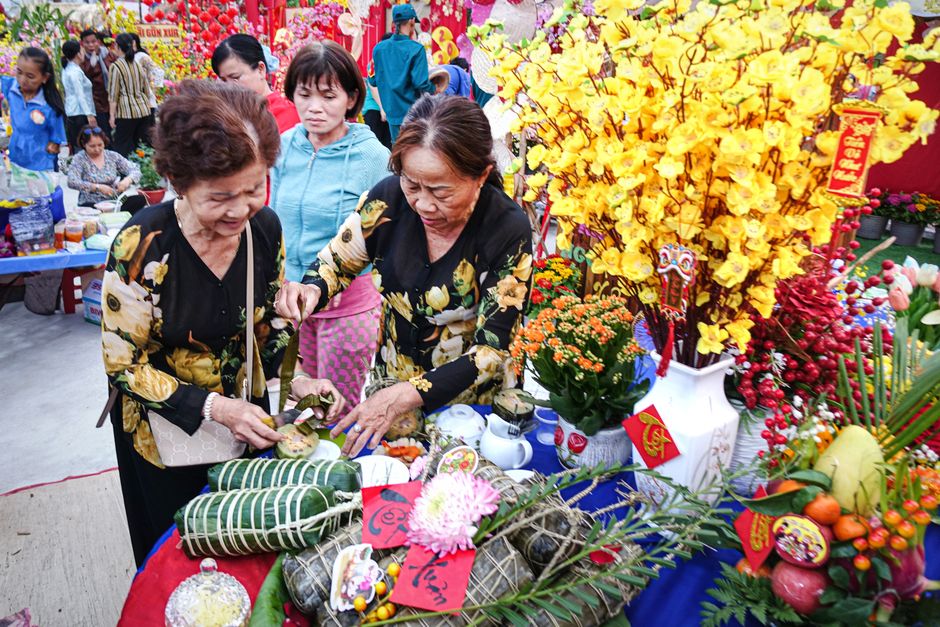
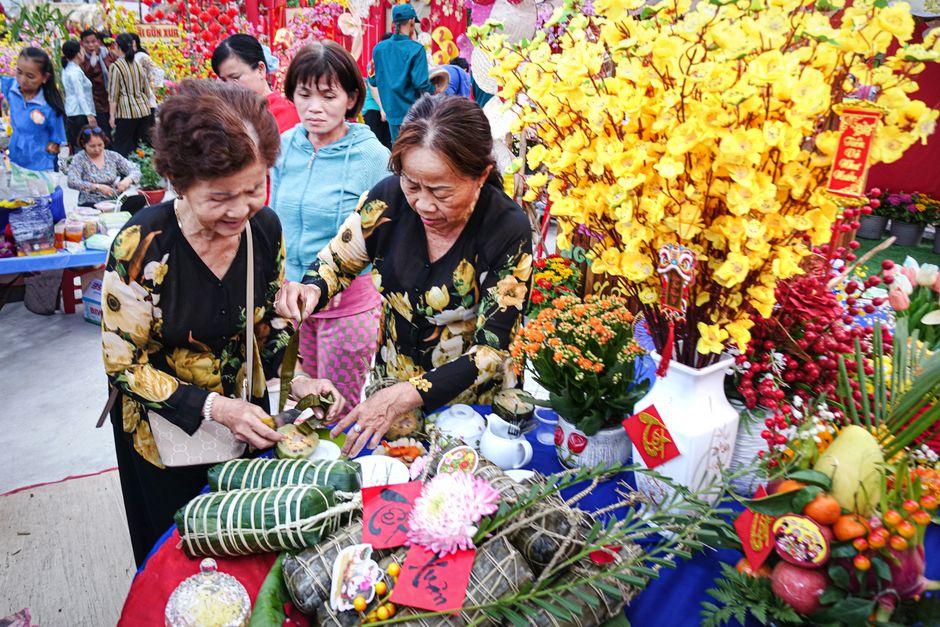
Chinese New Year (Spring Festival) features dumplings shaped like ancient gold ingots, symbolizing wealth. The more dumplings you eat, the more money you’ll earn in the coming year. Some families hide coins, peanuts, or dates inside certain dumplings for extra fortune.
Whole fish is essential because the Chinese word for fish (“yu”) sounds like the word for surplus. The fish must be served whole, with head and tail intact, representing a good beginning and end to the year. Importantly, some fish should remain uneaten, symbolizing surplus that carries into the new year.
Additional Lucky Chinese New Year Foods
Chinese New Year traditions include numerous other symbolic foods:
- Spring rolls: Resemble gold bars and represent wealth
- Longevity noodles: Long, uncut noodles for a long life
- Tangerines and oranges: Their golden color and round shape signify luck and wealth
- Niangao (sticky rice cake): Sounds like “year higher,” symbolizing improvement
- Whole chicken: Represents family togetherness and prosperity
🇳🇱 Oliebollen: Dutch Oil Balls of Protection
The Dutch celebrate New Year’s Eve with “oliebollen” – deep-fried dough balls filled with raisins and dusted with powdered sugar. These treats have ancient origins related to Germanic goddess Perchta, who supposedly slashed open people’s bellies with a sword.
The greasy oliebollen were believed to protect stomachs from her blade, making them essential consumption during winter celebrations. While this grim superstition has faded, oliebollen remain beloved New Year’s treats throughout the Netherlands and Belgium.
Modern variations include apple pieces, currants, and candied fruit, but the traditional round shape persists – another example of circular foods representing coins and cyclical time.
🇦🇹 Marzipan Pigs and Pretzels: Austrian Sweet Luck
Austrians and Germans exchange marzipan shaped into pigs (“Glücksschwein”) as New Year’s gifts. Pigs symbolize good luck and prosperity, possibly because owning pigs historically indicated wealth and survival through winter.
Pretzels also feature in Austrian New Year’s traditions, their twisted shape representing arms folded in prayer. Some families hang pretzels on New Year’s trees alongside other symbolic decorations.
These sweet treats combine delicious indulgence with hopeful symbolism, making them perfect gifts that literally sweeten the start of a new year.
🍾 Universal Superstitions: Common Themes Across Cultures
Examining global New Year’s food traditions reveals fascinating universal themes that transcend cultural boundaries. These shared beliefs demonstrate common human hopes and fears about the future.
| Symbol | Meaning | Examples |
|---|---|---|
| Round/Circular Foods | Coins, prosperity, cyclical time | Grapes, lentils, dumplings, fruits, doughnuts |
| Long Foods | Longevity, continuity | Noodles, whole fish |
| Green Foods | Paper money, growth, renewal | Collard greens, cabbage, kale |
| Fish | Abundance, moving forward | Carp, herring, whole fish |
| Pork | Progress, prosperity | Sausages, pork roast, pig’s feet |
Creating Your Own Lucky New Year’s Feast
You don’t need to follow one specific tradition to create a meaningful New Year’s celebration. Many modern families blend customs from multiple cultures, creating personalized rituals that reflect their heritage and values.
Consider incorporating elements that resonate with your hopes for the coming year. If you seek financial prosperity, include lentils, collard greens, or black-eyed peas. For longevity and health, prepare long noodles or whole fish. To honor family connections, share a cake with hidden surprises or prepare dishes from your ancestral homeland.
The true magic of New Year’s food traditions lies not in their supernatural powers but in the intentionality they bring to our celebrations. Taking time to prepare and share symbolic foods creates mindful moments of reflection, gratitude, and hope.
Why These Superstitions Endure Across Generations
Food-based New Year’s superstitions persist because they engage multiple senses and create shared experiences. Unlike abstract resolutions, these traditions involve tangible actions: cooking, eating, gathering, and celebrating together.
Anthropologists note that food rituals strengthen social bonds and cultural identity. When we eat traditional New Year’s foods, we connect with ancestors who performed the same rituals, creating continuity across time and geography.
Psychologically, these traditions provide comforting structure during transitions. The liminal space between years can feel uncertain, and food rituals offer concrete actions that make us feel we’re actively inviting good fortune rather than passively awaiting fate.
Even in our modern, scientific age, these charming superstitions remind us that life contains mysteries, that hope matters, and that sometimes the best way to face an unknown future is with a full stomach and a grateful heart.
Bringing Global Traditions to Your Table This Year ✨
As midnight approaches this New Year’s Eve, consider which traditions speak to your aspirations. Perhaps you’ll count down with Spanish grapes, serve Italian lentils for prosperity, or prepare Japanese soba for longevity. Maybe you’ll bake a Greek coin cake or display twelve round Filipino fruits.
Whatever traditions you choose, remember that the most powerful ingredient in any New Year’s feast is intention. The act of thoughtfully preparing and sharing symbolic foods with loved ones creates meaning, connection, and joy – the real luck we’re all seeking.
These global bites of luck offer more than superstitious promises. They provide delicious reminders that across cultures and throughout history, humans have gathered around tables with hope, gratitude, and the universal desire for a better tomorrow. As you raise your glass and your fork this New Year, you join countless generations and billions of people worldwide in the beautiful tradition of eating our way toward good fortune. 🎊
May your New Year be filled with prosperity, health, love, and plenty of delicious traditions – whether inherited, adopted, or freshly created. After all, the best luck might just come from gathering with people you love, sharing meaningful food, and approaching the future with open hearts and full stomachs.
