
Anúncios
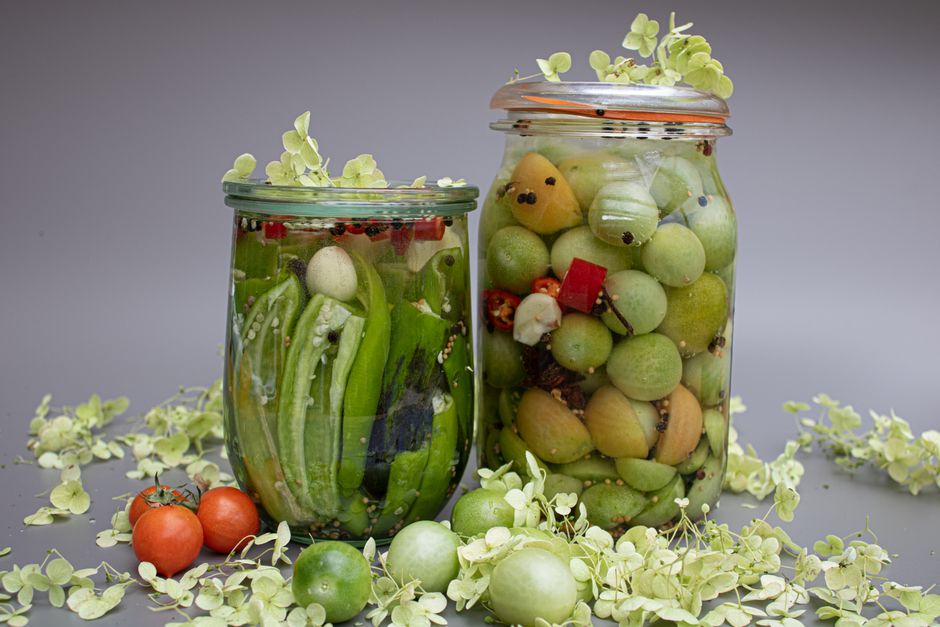
Fermentation has shaped human civilization for millennia, transforming simple ingredients into complex flavors while preserving food and creating nutritional benefits that continue to fascinate scientists and chefs worldwide.
Anúncios
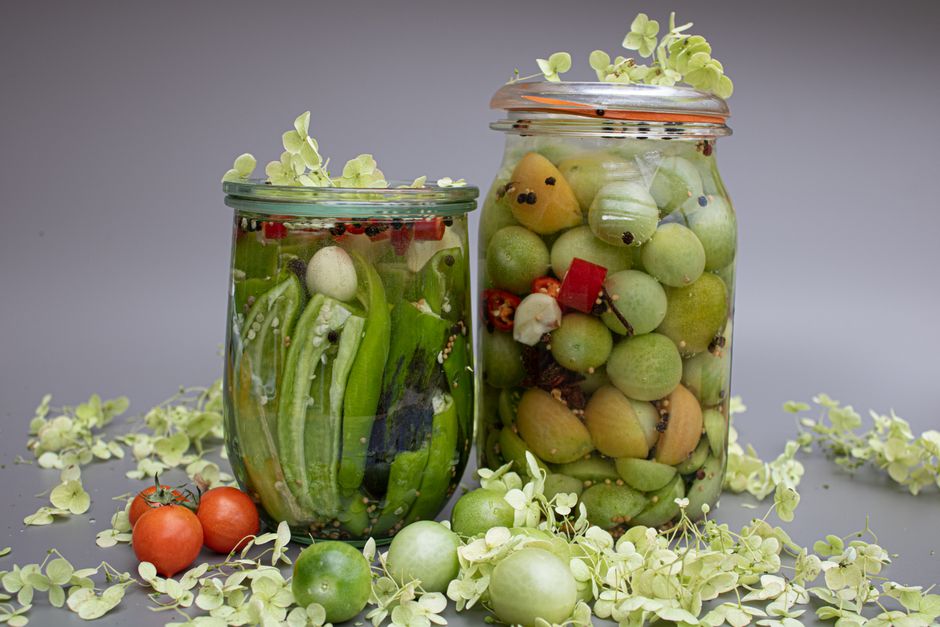
🧬 The Ancient Art Meets Modern Science
Long before humanity understood microbes or chemistry, our ancestors discovered that leaving certain foods under specific conditions created remarkable transformations. Milk became yogurt, grapes turned into wine, and cabbage evolved into sauerkraut. These weren’t accidents but observations refined over generations, creating a culinary legacy that spans every culture on Earth.
Anúncios
Today, we understand fermentation as a metabolic process where microorganisms like bacteria, yeasts, and molds convert carbohydrates into acids, gases, or alcohol. This biochemical dance creates the tangy sourdough, the effervescent kombucha, and the umami-rich miso that define diverse food traditions. The science behind these transformations reveals why fermentation remains humanity’s oldest biotechnology.
The engineering principles that govern fermentation have evolved from earthenware pots to sophisticated bioreactors. Modern fermentation facilities control temperature, pH levels, oxygen exposure, and microbial populations with precision that would astound ancient fermenters. Yet the fundamental processes remain unchanged, connecting us to food traditions stretching back ten thousand years.
Understanding the Microbial Workforce
Fermentation’s magic workers are invisible to the naked eye but powerful in their effects. Lactic acid bacteria, primarily Lactobacillus species, dominate vegetable fermentations and dairy products. These microorganisms consume sugars and produce lactic acid, creating the characteristic tang in pickles, kimchi, and yogurt while simultaneously lowering pH to levels that inhibit harmful bacteria.
Yeasts, particularly Saccharomyces cerevisiae, have been humanity’s partners in bread-making and alcohol production for millennia. These single-celled fungi consume sugars and produce carbon dioxide and ethanol as byproducts. The carbon dioxide leavens bread, while ethanol forms the foundation of beer, wine, and spirits. Different yeast strains contribute unique flavor profiles, explaining why Belgian ales taste distinct from German lagers despite similar ingredients.
Acetic acid bacteria transform alcohol into vinegar, a two-stage fermentation process used worldwide. Molds like Aspergillus oryzae break down proteins and starches in soy sauce and sake production, contributing enzymes that create complex flavor compounds impossible to achieve through other methods.
The Chemical Symphony of Flavor Development
Fermentation creates hundreds of volatile and non-volatile compounds that define flavor profiles. Organic acids provide sourness and brightness. Esters contribute fruity notes. Phenolic compounds add complexity and sometimes astringency. Amino acids like glutamate deliver umami sensations that make fermented foods deeply satisfying.
This chemical complexity explains why fermented foods offer flavor depth that fresh ingredients lack. A fresh cabbage tastes mild and slightly sweet, but fermented into kimchi, it becomes a flavor powerhouse with spicy, sour, funky, and umami notes layered together. The transformation happens because microorganisms break down complex molecules into simpler, more flavorful compounds while synthesizing entirely new molecules.
🔬 Engineering Fermentation: From Craft to Industry
The industrialization of fermentation required solving problems that traditional fermenters handled intuitively. Temperature control proved critical because most fermentation microbes thrive within narrow temperature ranges. Lactic acid bacteria prefer 68-78°F (20-25°C), while ale yeasts work best at 60-75°F (15-24°C). Modern fermentation vessels incorporate cooling jackets, heating elements, and sophisticated temperature sensors to maintain optimal conditions.
Oxygen management distinguishes aerobic from anaerobic fermentation. Sauerkraut and kimchi ferment anaerobically, meaning without oxygen, which encourages lactic acid bacteria while discouraging mold growth. Wine fermentation begins aerobically to build yeast populations but finishes anaerobically to prevent vinegar formation. Industrial fermenters use airlocks, positive pressure systems, and controlled atmospheres to manage oxygen precisely.
pH monitoring ensures fermentation progresses safely and predictably. Most pathogenic bacteria cannot survive below pH 4.6, making acidification through fermentation an effective preservation method. Commercial operations measure pH continuously, adjusting conditions if fermentation stalls or proceeds too rapidly.
Scaling Traditional Methods
Translating grandmother’s kimchi recipe to factory production presents unique challenges. Small batches self-regulate through natural microbial competition, but large volumes require starter cultures to ensure consistency. Food scientists isolate and cultivate specific bacterial strains, then freeze-dry them for commercial use. These starters guarantee that each fermentation batch produces predictable results.
Vessel design affects fermentation outcomes significantly. Traditional ceramic crocks breathe slightly, allowing minimal gas exchange while maintaining anaerobic conditions. Modern food-grade plastic or stainless steel fermenters must replicate these properties while meeting sanitation standards and enabling easy cleaning. Engineers design vessels with conical bottoms for removing sediment, sampling ports for quality control, and pressure relief valves for safety.
The Nutritional Revolution Within Fermentation ✨
Fermentation doesn’t just preserve food and enhance flavor; it fundamentally improves nutritional value. The process increases bioavailability of minerals like iron, zinc, and magnesium by reducing phytic acid and other anti-nutrients that bind minerals in plant foods. This explains why populations relying heavily on fermented foods often show better mineral status despite similar dietary intake.
Vitamin content changes dramatically during fermentation. Lactic acid bacteria synthesize B vitamins, including B12 in certain fermented foods, though amounts vary by fermentation conditions and bacterial strains. Korean kimchi contains more vitamin C after fermentation than fresh cabbage due to bacterial synthesis. Natto, fermented soybeans, contains vitamin K2 in amounts far exceeding any non-fermented food.
Protein digestibility improves because microbial enzymes pre-digest complex proteins into amino acids and peptides. This makes fermented dairy products easier to digest than milk for many lactose-intolerant individuals. The bacteria consume lactose while producing lactic acid, reducing lactose content by 20-30% in yogurt and nearly completely in aged cheeses.
Probiotics and the Gut Microbiome Connection
Live-culture fermented foods deliver beneficial bacteria directly to the digestive system. These probiotic organisms can temporarily colonize the gut, supporting immune function, producing vitamins, and competing with pathogenic bacteria. Research shows that regular consumption of fermented foods increases microbial diversity in the gut, which correlates with better overall health outcomes.
Different fermented foods deliver different bacterial species. Yogurt typically contains Lactobacillus bulgaricus and Streptococcus thermophilus. Kimchi harbors Leuconostoc mesenteroides and various Lactobacillus species. Kefir contains dozens of bacterial and yeast species in symbiotic relationship. This diversity matters because different probiotic strains offer different health benefits.
🍷 Beverage Fermentation: A Case Study in Complexity
Alcoholic beverage production showcases fermentation engineering at its most sophisticated. Wine fermentation begins when yeasts on grape skins contact sugar-rich juice. Wild fermentations using indigenous yeasts create unpredictable but sometimes extraordinary results. Commercial wineries often use selected yeast strains that reliably produce desired flavor profiles while fermenting to completion.
Beer brewing involves multiple stages: mashing converts grain starches to sugars, boiling sterilizes and adds hop bitterness, and fermentation transforms wort into beer. Brewers control dozens of variables including mash temperature, pH, hop timing, yeast strain, fermentation temperature, and carbonation levels. Modern craft breweries use programmable logic controllers to automate processes while maintaining artisanal quality.
Spirits production adds distillation after fermentation, concentrating alcohol and flavor compounds. The fermentation stage determines the raw material’s character, which distillation then refines. Whiskey fermentation emphasizes grain character, rum fermentation highlights molasses or cane juice, and vodka fermentation aims for neutral alcohol. Master distillers understand that excellent spirits require excellent fermentation.
Kombucha: Ancient Beverage, Modern Phenomenon
Kombucha exemplifies how traditional fermented beverages achieve commercial success through engineering innovation. This fermented tea beverage relies on a SCOBY (symbiotic culture of bacteria and yeast) that forms a cellulose mat while fermenting sweetened tea. The process produces acetic acid, gluconic acid, and trace alcohol, creating a tart, effervescent beverage.
Commercial kombucha production required solving shelf-stability challenges. The beverage continues fermenting after bottling unless pasteurized, which destroys beneficial probiotics, or kept refrigerated, which limits distribution. Some producers use microfiltration to remove yeast while retaining bacterial metabolites. Others precisely control fermentation timing and refrigeration to maintain consistent carbonation and alcohol content below 0.5%.
Engineering Solid-State Fermentation 🥢
Not all fermentation occurs in liquids. Solid-state fermentation, where microorganisms grow on moist solid substrates, produces some of the world’s most distinctive foods. Tempeh, made from soybeans bound by Rhizopus mold mycelium, requires precise humidity control. Too dry, and the mold won’t grow; too wet, and bacterial contamination occurs. Traditional Indonesian makers achieve this intuitively, but industrial production requires humidity-controlled incubation chambers.
Miso and soy sauce production uses koji, rice or soybeans colonized by Aspergillus oryzae mold. This mold produces powerful enzymes that break down proteins and starches during subsequent fermentation stages. Creating quality koji requires controlling temperature, humidity, and air circulation over 48-72 hours. Modern koji rooms use automated systems that adjust conditions throughout the incubation period.
Cheese-making combines liquid and solid-state fermentation principles. Milk fermentation produces acid and curds, then molds or bacteria ripen the cheese surface or interior. Camembert’s white rind comes from Penicillium camemberti growing on the surface. Blue cheese veins result from Penicillium roqueforti growing in air pockets within the cheese. Controlling moisture, temperature, and air exchange during aging determines whether cheese develops properly or spoils.
Safety Engineering in Fermentation Systems
Fermentation’s ability to preserve food relies on creating environments where pathogens cannot thrive. Low pH, salt concentration, alcohol content, and beneficial bacteria competition all contribute to safety. However, improper fermentation can allow dangerous organisms like Clostridium botulinum to flourish, particularly in low-acid, anaerobic environments.
Modern fermentation facilities implement Hazard Analysis and Critical Control Points (HACCP) systems that identify where contamination could occur and establish monitoring procedures. Critical control points typically include raw material quality, sanitization effectiveness, fermentation pH and temperature, and packaging integrity. Continuous monitoring and documentation ensure that any deviation gets detected and corrected immediately.
Home fermenters should understand basic safety principles: use proper salt concentrations for vegetable ferments (2-3% by weight), ensure vegetables stay submerged under brine, maintain cleanliness, ferment at appropriate temperatures, and discard batches showing signs of contamination like off-odors, sliminess, or unexpected colors. Following established recipes and methods creates safe, delicious fermented foods.
🌍 Global Fermentation Traditions and Innovation
Every culture developed fermentation techniques suited to local ingredients and climates. Korean kimchi uses cabbage, radishes, and chili peppers fermented in earthenware pots buried underground for temperature stability. Ethiopian injera, a sourdough flatbread made from teff flour, ferments for several days before cooking. Japanese natto ferments soybeans with Bacillus subtilis at warm temperatures, creating sticky, pungent beans beloved for their nutritional properties.
These traditions inspire modern innovation. Chefs experiment with fermenting non-traditional ingredients like fruits, nuts, and even meats to create novel flavors. Scientists explore extremophile bacteria that ferment at unusual temperatures or pH levels, potentially creating new food products. Brewers push boundaries with wild fermentations, barrel aging, and hybrid techniques that blur lines between beer, wine, and cider.
Fermentation Technology and Food Security
Fermentation offers solutions for global food security challenges. The process extends shelf life without refrigeration, crucial in regions with limited cold chain infrastructure. Fermentation improves digestibility and nutritional value of staple crops, addressing malnutrition. Solid-state fermentation can upgrade agricultural waste into valuable food products, reducing losses while creating nutrition.
Precision fermentation, using engineered microorganisms to produce specific compounds, represents fermentation’s cutting edge. Companies produce dairy proteins without cows, meat proteins without animals, and fats identical to those from traditional sources. These technologies use fermentation vessels similar to beer breweries but employ genetically modified organisms designed to produce target molecules efficiently.
The Future of Fermentation Engineering 🚀
Artificial intelligence and machine learning are revolutionizing fermentation control. Systems analyze real-time sensor data from pH, temperature, pressure, and dissolved oxygen probes, then adjust conditions automatically to optimize outcomes. These systems learn from each batch, continuously improving predictions about when fermentation will complete or when interventions are needed.
Genetic engineering of fermentation organisms accelerates innovation. Scientists modify yeast strains to produce specific esters for desired beer flavors or improve stress tolerance for difficult fermentation conditions. Bacteria are engineered to produce vitamins, enzymes, or bioactive compounds during fermentation, creating functional foods with enhanced health benefits.
Sustainability drives fermentation innovation. The process requires less energy than many food preservation methods, produces valuable byproducts, and can utilize waste streams. Breweries feed spent grain to livestock. Cheese whey becomes protein supplements. Carbon dioxide from fermentation gets captured for carbonating beverages. Circular economy principles make fermentation increasingly attractive for sustainable food production.
Mastering Fermentation: Art and Science United
The most successful fermentation practitioners balance scientific knowledge with intuitive understanding. They know that microorganisms are living systems influenced by countless variables, some measurable and others mysterious. A sourdough baker understands hydration percentages and fermentation times but also reads the dough, recognizing when it needs more time or different handling based on subtle cues.
This interplay between art and science makes fermentation endlessly fascinating. Engineers design systems approaching perfection, yet the best fermented foods often show variation between batches, reflecting the living nature of fermentation. Embracing this variability while controlling critical parameters defines mastery in fermentation practice.
The flavor revolution that began ten millennia ago continues accelerating. Modern understanding of microbiology, biochemistry, and engineering enhances rather than replaces traditional wisdom. Whether in sophisticated industrial facilities or home kitchens, fermentation remains humanity’s most delicious biotechnology, transforming simple ingredients into complex, nutritious, and deeply satisfying foods that connect us to our ancestors while pointing toward sustainable food futures. The science explains the magic, but the magic endures regardless of our understanding, testament to fermentation’s fundamental place in human culture and cuisine.
