
Anúncios
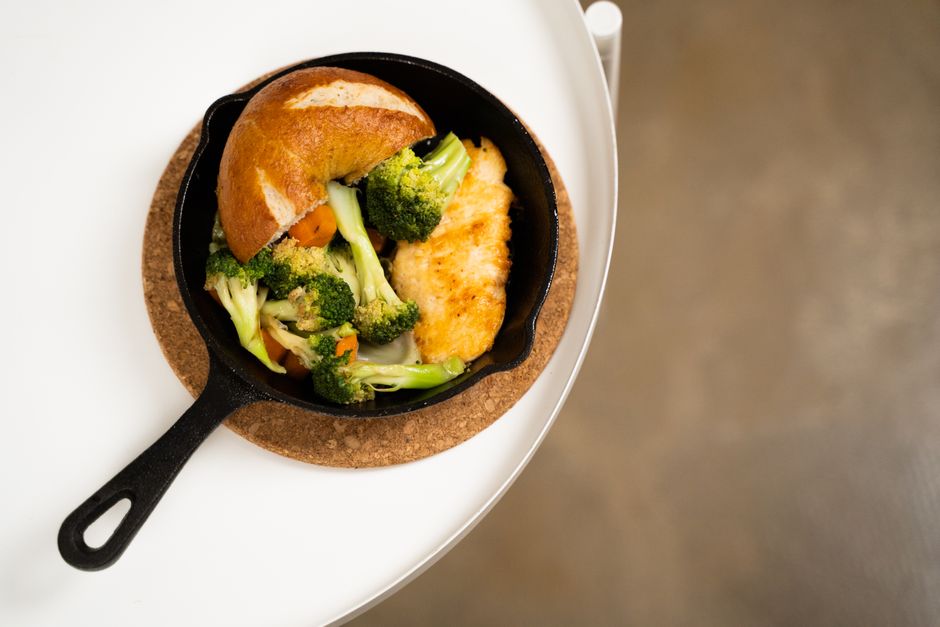
Cast iron cookware has journeyed from grandma’s kitchen to become a social media sensation, beloved by chefs and home cooks worldwide for its unmatched durability and cooking performance.
Anúncios
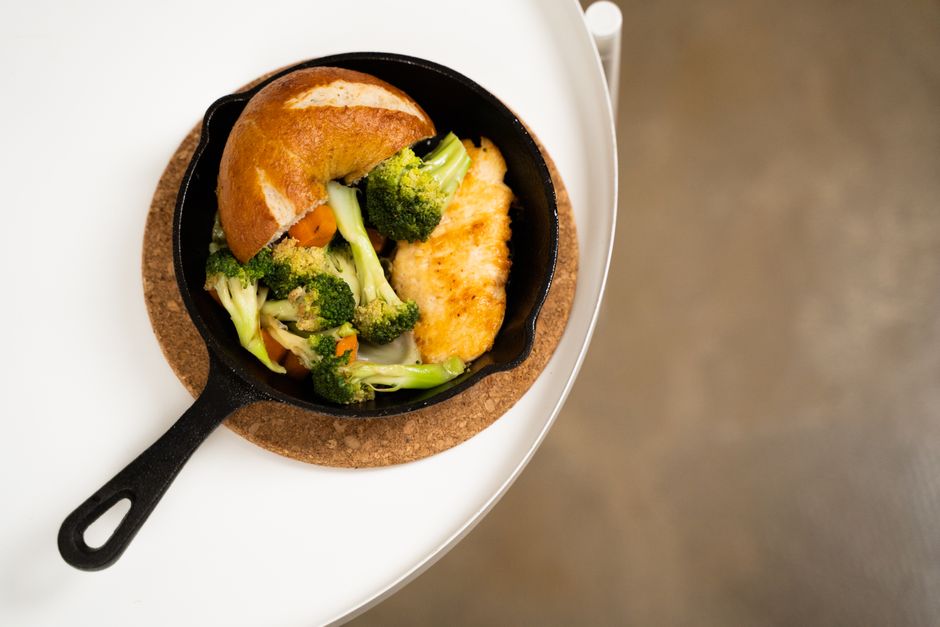
🔥 The Renaissance of an Ancient Cooking Tool
Walk into any modern kitchen store, scroll through cooking forums, or browse culinary social media, and you’ll encounter a surprising phenomenon: cast iron cookware has become cool again. This isn’t just nostalgia talking—there’s a legitimate revival happening around these heavy, black pans that our great-grandparents used without a second thought.
Anúncios
The cast iron skillet has transformed from a utilitarian kitchen workhorse into something of a status symbol. Young professionals proudly display their Lodge or vintage Griswold pans, sharing seasoning techniques and searing results with the enthusiasm typically reserved for the latest tech gadgets. But what exactly makes these seemingly simple cooking vessels worthy of such devotion?
The answer lies in a perfect storm of factors: superior cooking performance backed by science, remarkable longevity that defies our disposable culture, and a connection to traditional cooking methods that resonates in our increasingly digital world.
The Science Behind the Superior Sear
Cast iron’s cooking prowess isn’t just folklore—it’s firmly rooted in physics and chemistry. Understanding why these pans perform so exceptionally helps explain their enduring popularity among serious cooks.
Heat Retention and Distribution
Cast iron possesses extraordinarily high volumetric heat capacity, meaning it can store significant amounts of thermal energy. Once properly preheated, a cast iron pan maintains steady temperatures even when cold food hits its surface. This characteristic proves invaluable when searing steaks, where maintaining high heat creates that coveted Maillard reaction—the chemical process responsible for the complex flavors and appealing crust on perfectly cooked meat.
While cast iron takes longer to heat initially compared to materials like copper or aluminum, this slower heating actually contributes to more even distribution across the cooking surface. The molecular structure of cast iron allows heat to spread gradually and uniformly, eliminating the hot spots common in thinner, cheaper pans.
The Seasoning Layer: Nature’s Non-Stick Coating
Perhaps the most fascinating aspect of cast iron cookware is its seasoning—a polymerized layer of fat that bonds to the iron’s porous surface through repeated heating. This isn’t simply residual grease; it’s a molecular transformation where fats undergo pyrolysis, creating a slick, durable coating that improves with use.
Scientists have found that this seasoning layer consists of cross-linked triglyceride polymers that fill the microscopic irregularities in the iron surface, creating a surprisingly smooth finish. Unlike synthetic non-stick coatings that degrade over time, a well-maintained seasoning layer actually becomes more effective through regular cooking.
From Industrial Revolution to Instagram Sensation
The history of cast iron cookware mirrors the development of modern manufacturing and domestic life. Understanding this evolution provides context for why these pans carry such cultural weight today.
Early Origins and Mass Production
While humans have been casting iron for millennia, cast iron cookware as we know it emerged during the 18th and 19th centuries. The Industrial Revolution enabled mass production, making these previously expensive items accessible to ordinary households. Companies like Griswold Manufacturing and Wagner Ware became household names in America, producing skillets, Dutch ovens, and specialized pans that equipped kitchens nationwide.
These vintage pieces now fetch premium prices among collectors, with rare Griswold skillets selling for hundreds or even thousands of dollars. The superior craftsmanship of these antique pans—thinner walls, smoother finishes, and lighter weight than many modern equivalents—makes them highly sought after.
The Mid-Century Decline
Post-World War II prosperity brought new materials and technologies. Teflon-coated aluminum pans promised effortless cooking and easy cleanup. Electric stoves became standard, and the heavy, maintenance-requiring cast iron seemed outdated. Many families relegated their cast iron to basements or yard sales, embracing the convenience of modern alternatives.
This shift reflected broader cultural changes: faster-paced lifestyles, enthusiasm for new technologies, and a move away from traditional cooking methods. Cast iron became associated with old-fashioned ways that modern homemakers were eager to leave behind.
The Contemporary Revival
Several converging trends have fueled cast iron’s comeback. The farm-to-table movement values traditional cooking methods and tools. Growing awareness of health concerns surrounding synthetic non-stick coatings made people reconsider chemical-free alternatives. Sustainability-conscious consumers appreciate cookware that lasts generations rather than years.
Social media amplified this revival tremendously. Instagram-worthy photographs of perfectly seared steaks in gleaming black skillets, YouTube tutorials on restoration and seasoning, and Reddit communities dedicated to cast iron care created a vibrant, engaged audience. Cast iron became not just functional but aspirational—a symbol of culinary competence and connection to authentic cooking traditions.
💪 Health Benefits and Nutritional Considerations
Beyond cooking performance, cast iron offers tangible health advantages that contribute to its appeal among wellness-focused consumers.
Natural Iron Supplementation
Cooking in cast iron actually increases the iron content of food, particularly acidic dishes that facilitate more iron leaching. Research published in the Journal of Food Science found that cooking tomato sauce in cast iron for 20 minutes increased iron content more than tenfold.
For people prone to iron deficiency—including menstruating women, vegetarians, and those with certain medical conditions—this represents a meaningful dietary benefit. While cast iron shouldn’t replace medical treatment for iron deficiency anemia, it can contribute to overall iron intake as part of a balanced approach.
Chemical-Free Cooking Surface
Unlike non-stick cookware that relies on synthetic coatings like PTFE (Teflon) or newer ceramic alternatives, properly seasoned cast iron contains no manufactured chemicals. Concerns about perfluorinated compounds (PFCs) in traditional non-stick pans have driven many health-conscious consumers toward cast iron as a safer alternative.
The seasoning on cast iron consists entirely of polymerized fats from cooking oils—essentially food that has undergone a chemical transformation. There are no toxins to off-gas when overheated, no coatings to chip into food, and no mysterious chemicals to worry about.
🍳 Mastering Cast Iron: Practical Wisdom for Modern Cooks
For all its benefits, cast iron does require some knowledge and care. Understanding proper techniques transforms these pans from intimidating to indispensable.
Choosing Your First Piece
For beginners, a 10-inch or 12-inch skillet represents the most versatile choice. Lodge Manufacturing offers excellent quality at affordable prices, with pre-seasoned pans ready to use immediately. Those seeking lighter, smoother options might explore vintage pieces or premium brands like Field Company or Butter Pat Industries.
Dutch ovens rank as the second most valuable cast iron investment, excelling at braising, bread baking, and one-pot meals. The 5-7 quart size handles most cooking needs without being unwieldy.
Seasoning and Maintenance Demystified
Despite intimidating instructions found online, maintaining cast iron is remarkably straightforward. After cooking, clean the pan with hot water and a stiff brush while still warm. Contrary to myth, soap won’t destroy seasoning—modern dish soap doesn’t contain lye that would break down the polymerized oils.
Dry thoroughly and apply a very thin layer of cooking oil to the surface. Many cast iron enthusiasts overthink this process, applying excessive oil that creates sticky buildup. A barely visible smear of oil is sufficient.
For pans with damaged or insufficient seasoning, oven seasoning builds durable layers. Apply a thin coat of high smoke-point oil (flaxseed, grapeseed, or refined vegetable oil), wipe away all visible excess, and bake upside-down at 450-500°F for an hour. Repeat this process 3-6 times for optimal results.
Cooking Techniques That Showcase Cast Iron
Cast iron excels at high-heat applications. For restaurant-quality steak, preheat the pan over medium-high heat for 5-10 minutes until smoking hot. Pat the meat dry, season generously, and sear without moving for 3-4 minutes per side. The superior heat retention creates an exceptional crust while maintaining proper internal temperature.
These pans transition seamlessly from stovetop to oven, making them ideal for dishes like cornbread, frittatas, and roasted chicken. The even heating produces beautifully browned exteriors and moist interiors.
Acidic foods like tomato sauce or wine reductions can be cooked in well-seasoned cast iron without issue, though prolonged cooking of highly acidic dishes may impart a slight metallic taste and darken the seasoning. This doesn’t damage the pan—simply continue cooking fatty foods to rebuild the seasoning layer.
⚖️ Comparing Cast Iron to Modern Alternatives
Understanding how cast iron stacks up against contemporary cookware helps cooks make informed decisions about building their kitchen arsenal.
Cast Iron vs. Stainless Steel
Stainless steel offers excellent durability and completely non-reactive cooking surfaces, making it ideal for acidic dishes and wine reductions. However, it requires more fat for non-stick properties and doesn’t retain heat as effectively as cast iron. Many professional kitchens utilize both, selecting the appropriate tool for specific tasks.
Cast Iron vs. Non-Stick Coated Pans
Modern non-stick pans provide unmatched convenience for delicate foods like eggs and fish. They require minimal fat and clean effortlessly. However, they cannot withstand high heat, last only a few years with regular use, and raise health concerns when damaged or overheated. Cast iron, while requiring more technique, offers superior high-heat performance and essentially unlimited lifespan.
Cast Iron vs. Carbon Steel
Carbon steel shares many characteristics with cast iron—it seasons similarly, develops non-stick properties, and tolerates high heat. However, carbon steel pans are significantly lighter and heat more quickly due to thinner construction. Professional chefs often prefer carbon steel for its responsiveness and maneuverability. Cast iron’s advantage lies in superior heat retention for applications like deep-frying or serving directly from pan to table.
🌍 Sustainability and the Anti-Disposable Movement
In an era of increasing environmental awareness, cast iron’s longevity represents a powerful statement against throwaway culture.
A quality cast iron pan can literally last centuries with proper care. Pans regularly pass through multiple generations, improving with age rather than degrading. This stands in stark contrast to non-stick cookware that typically requires replacement every 2-5 years, creating substantial waste.
The environmental impact extends beyond longevity. Cast iron contains no synthetic chemicals or coatings, making it truly recyclable. Old, damaged pans can be melted down and recast, completing a genuine circular lifecycle. Compare this to non-stick pans, which combine multiple materials that cannot be easily separated for recycling.
Even the production process favors cast iron from a sustainability perspective. While energy-intensive to manufacture, this one-time environmental cost amortizes over decades or centuries of use. Modern non-stick pans require complex chemical processes for coating application, with associated environmental concerns about PFAS compounds and their persistence in ecosystems.
The Collector’s World: Vintage Cast Iron Culture
Beyond practical cooking, vintage cast iron has spawned a passionate collector community that values craftsmanship, history, and the thrill of the hunt.
Pre-1960s American cast iron, particularly pieces from Griswold, Wagner, Favorite, and Birmingham Stove & Range, commands premium prices due to superior manufacturing techniques. These vintage pans feature smoother cooking surfaces, thinner walls, and lighter weight than most contemporary equivalents.
Collectors scour estate sales, antique shops, and online marketplaces for rare pieces. A common Griswold #8 skillet might sell for $40-60, while rare items like gem pans or specialized waffle irons can fetch thousands. Part of the appeal lies in restoration—transforming rust-covered relics into gleaming, functional cookware through electrolysis or chemical stripping.
This collector culture reinforces cast iron’s cult status, creating communities built around shared knowledge, trading, and appreciation for industrial craftsmanship that modern manufacturing often cannot replicate.
🎯 The Future of Cast Iron in Modern Kitchens
Far from being a passing trend, cast iron appears positioned for continued relevance as cooking culture evolves.
Contemporary manufacturers are innovating while honoring tradition. Brands like Smithey Ironware and Stargazer Cast Iron produce pieces with vintage-quality smooth finishes using modern production techniques. Enameled cast iron from companies like Le Creuset and Staub bridges traditional performance with maintenance-free exteriors and vibrant colors that appeal to design-conscious consumers.
The rise of home cooking, accelerated by recent global events, has introduced new generations to the satisfaction of mastering traditional techniques. Cast iron fits perfectly into this renaissance, offering tangible connection to food preparation that pre-packaged convenience cannot match.
Educational resources have never been more accessible. Online communities share troubleshooting advice, recipe adaptations, and encouragement that flatten the learning curve for newcomers. This democratization of expertise helps cast iron shed its intimidating reputation.
Beyond the Pan: A Philosophy of Cooking
Ultimately, cast iron’s enduring appeal transcends its practical advantages. These pans represent a philosophy—a commitment to quality over convenience, tradition balanced with technique, and the belief that some things shouldn’t be disposable.
In our fast-paced, digital world, cast iron cooking offers a tactile, mindful experience. Preheating the pan properly, listening to the sizzle as food hits the surface, developing intuition about heat and timing—these practices demand presence and attention that many find meditative and rewarding.
The pan that sears your steak tonight might have cooked your grandmother’s cornbread decades ago, and could serve your grandchildren long after you’re gone. This continuity creates meaning beyond mere functionality, connecting us to past and future through the simple, profound act of preparing food.
Cast iron reminds us that newer isn’t always better, that maintenance can be meaningful rather than burdensome, and that tools designed with integrity can genuinely improve with use and time. In an age of planned obsolescence and constant upgrades, this message resonates powerfully.
Whether you’re a culinary professional seeking optimal cooking performance, a sustainability advocate choosing durable alternatives, or someone drawn to the aesthetic and ritual of traditional cooking, cast iron offers genuine, science-backed advantages wrapped in cultural significance. From kitchen staple to cult icon, these remarkable pans have earned their place in modern cooking—not through nostalgia alone, but through unmatched performance that continues to deliver meal after meal, generation after generation.
