
Anúncios
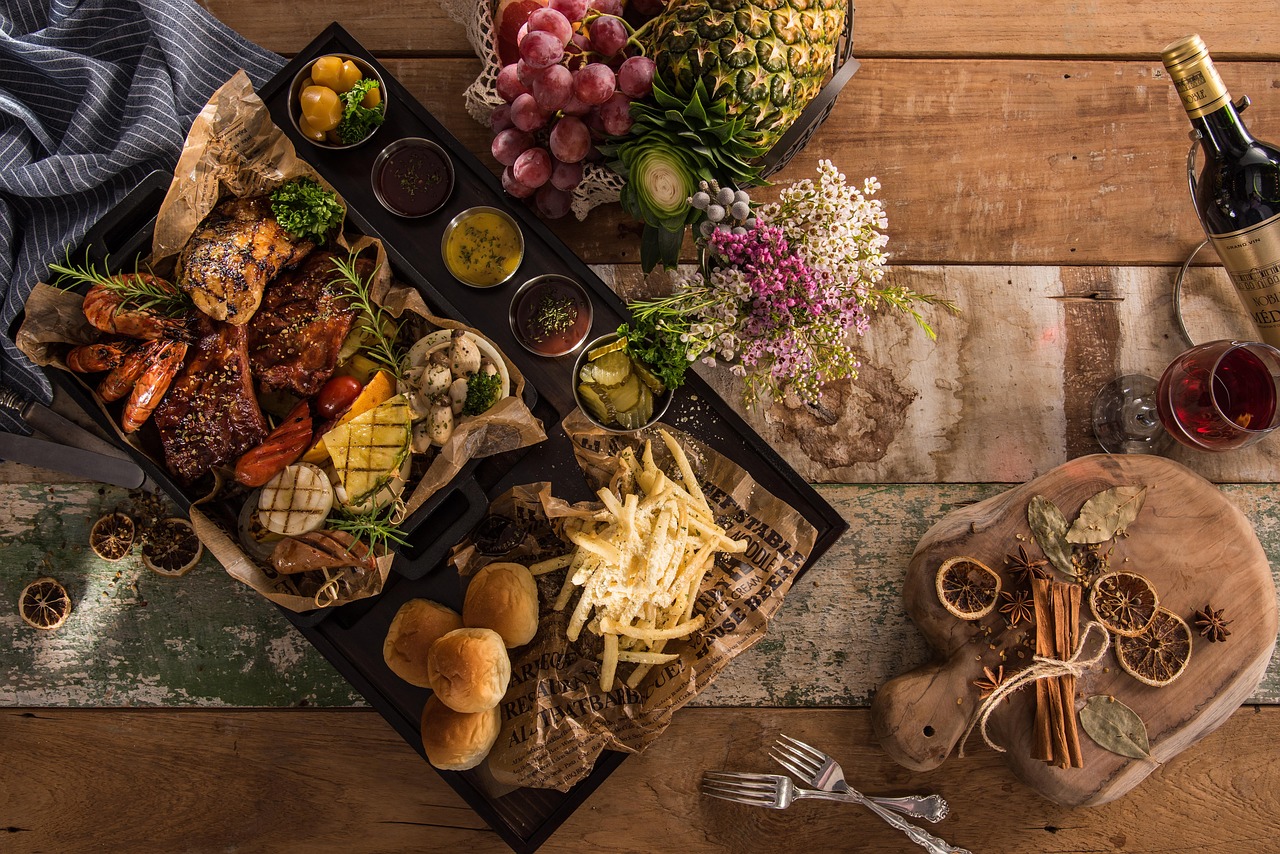
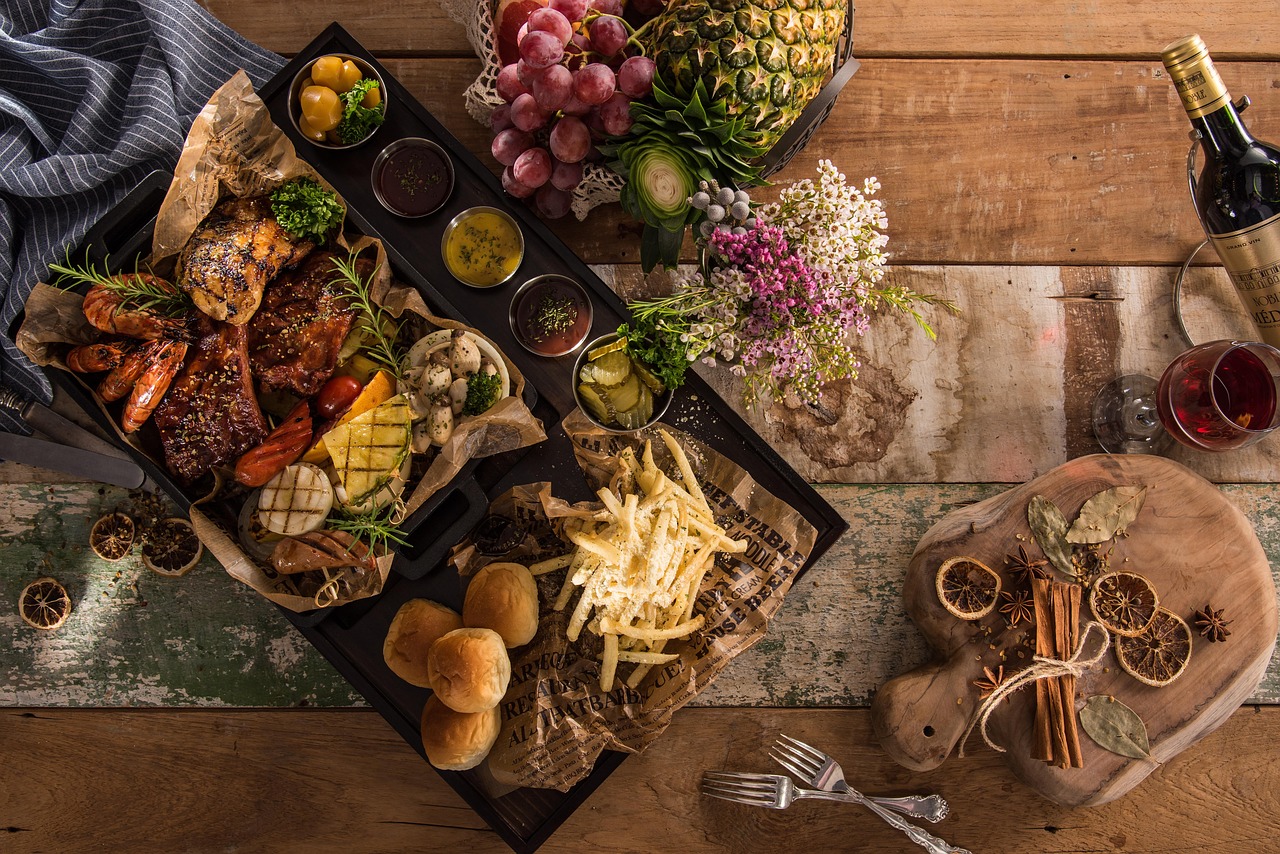
Our modern celebrations are deeply rooted in ancient agricultural cycles, where communities gathered to honor harvests and mark seasonal transitions with elaborate feasts.
Anúncios
🌾 The Sacred Connection Between Agriculture and Celebration
Long before grocery stores and refrigeration, human survival depended entirely on successful harvests. Ancient civilizations didn’t simply eat their crops—they celebrated them with rituals, ceremonies, and communal feasts that would eventually evolve into the holidays we recognize today. These gatherings weren’t mere parties; they were essential social structures that reinforced community bonds, religious beliefs, and cultural identity.
Anúncios
The transition from hunter-gatherer societies to agricultural communities fundamentally changed how humans related to food. Suddenly, entire populations depended on specific growing seasons, weather patterns, and successful harvests. This dependency created anxiety that manifested in elaborate rituals designed to appease gods, ensure fertility, and express gratitude for abundance.
These ancient harvest festivals established patterns that persist in contemporary celebrations: the gathering of family and friends, the preparation of special foods, the expression of gratitude, and the marking of seasonal transitions. Understanding this connection reveals how our modern food celebrations are essentially sophisticated versions of humanity’s oldest traditions.
Ancient Mesopotamia: Where Feast Days Began
The Sumerians and Babylonians of ancient Mesopotamia created some of the earliest documented harvest festivals around 3000 BCE. Their Akitu festival, celebrating the New Year and barley harvest, lasted twelve days and included processions, ritual sacrifices, and communal feasting on bread, beer, and roasted meats.
This festival established several traditions that would echo through millennia:
- The ritual sharing of specially prepared foods among community members
- The symbolic connection between agricultural abundance and divine favor
- Multi-day celebrations marking significant calendar transitions
- The preparation of specific dishes reserved exclusively for feast days
Beer, one of humanity’s oldest beverages, played a central role in these celebrations. The Babylonians recognized beer not just as nourishment but as a social lubricant that facilitated community bonding—a concept that remains fundamental to modern celebrations.
Egyptian Harvest Festivals and the Birth of Thanksgiving Traditions
Ancient Egypt’s agricultural calendar revolved around the Nile’s flooding cycle, creating distinct seasons for planting and harvesting. The festival of Min celebrated the wheat and barley harvest with offerings of the first fruits—a practice that would profoundly influence Jewish, Christian, and secular harvest traditions.
The Egyptian concept of offering firstfruits to deities established a gratitude framework that directly connects to modern Thanksgiving celebrations. This wasn’t simply superstition; it was a sophisticated social mechanism that ensured community solidarity and resource sharing during times of abundance.
Egyptian feasts featured bread in countless varieties, beer, wine, roasted fowl, beef, and an array of vegetables and fruits. The elaborate preparation and presentation of these foods demonstrated respect for the gods and reinforced social hierarchies—concepts that persist in our modern holiday meal preparations.
The Template for Modern Thanksgiving 🦃
When we examine American Thanksgiving, we see the direct descendant of these ancient harvest celebrations. The 1621 Plymouth feast wasn’t an isolated innovation but rather a continuation of European harvest home traditions, which themselves descended from Roman, Greek, and ultimately Egyptian harvest festivals.
The core elements remain remarkably consistent: gathering after harvest, expressing gratitude for abundance, sharing food with community members, and preparing special dishes that mark the occasion as distinct from ordinary meals.
Greek and Roman Festivals: Celebrating Demeter and Saturn
The ancient Greeks honored Demeter, goddess of harvest, with the Thesmophoria festival. This women-only celebration included fasting, feasting, and fertility rituals that reinforced the connection between agricultural productivity and human reproduction—a link that would influence medieval European harvest celebrations.
The Greeks established the symposium tradition, where philosophical discussion accompanied food and wine. This practice of combining intellectual or spiritual reflection with communal eating would influence religious feast traditions across Western civilization.
Roman Saturnalia, celebrating Saturn and the winter solstice, created templates that would directly shape Christmas traditions. This December festival featured:
- Gift-giving among family and friends
- Elaborate feasts with special foods reserved for the occasion
- Temporary suspension of social hierarchies
- Decorating homes with greenery
- Lighting candles and lamps to celebrate returning light
The Roman practice of serving specific foods during Saturnalia—including roasted meats, honey cakes, and spiced wine—established expectations that certain celebrations require particular dishes. This concept remains central to modern holiday food traditions.
Jewish Agricultural Festivals and Their Lasting Impact
Jewish harvest festivals represent some of the most enduring agricultural celebrations, maintaining continuous practice for over three thousand years. Sukkot, Shavuot, and Passover all originated as agricultural celebrations before acquiring additional historical and religious significance.
Sukkot, the fall harvest festival, required families to build temporary shelters and eat meals outdoors, physically connecting participants to agricultural cycles. The tradition of eating specific foods—including fruits, vegetables, and grains from the harvest—established dietary customs that would influence both Jewish and Christian holiday practices.
Passover’s evolution from a spring lambing festival to commemorate the Exodus demonstrates how agricultural celebrations absorbed historical narratives while maintaining their fundamental food-centered structure. The Seder meal’s elaborate ritual framework—specific foods representing symbolic concepts, a predetermined order of consumption, communal participation—would influence Christian Eucharist traditions and secular holiday meal structures.
The Preservation of Food Memory 📜
Jewish tradition’s emphasis on preserving exact recipes and preparation methods for festival foods created a remarkable continuity. Dishes prepared for Passover, Rosh Hashanah, and other holidays maintain recipes that span centuries, creating edible links to ancestral practices.
This concept of “food memory”—where specific dishes trigger cultural and religious identity—has become fundamental to how all cultures approach holiday celebrations. The insistence on “authentic” or “traditional” holiday recipes reflects this ancient practice of preserving cultural continuity through food.
Celtic Harvest Traditions and Halloween’s Origins 🎃
Celtic Samhain celebrations marked the final harvest and the transition into winter’s darkness. This liminal period, when the boundary between worlds supposedly thinned, required special foods to honor ancestors and protect the living.
The Celts prepared soul cakes, roasted apples, and special porridges for Samhain feasts. They left food offerings for deceased relatives and supernatural beings—practices that would evolve into trick-or-treating and Halloween’s distinctive food traditions.
When Christianity spread through Celtic regions, church authorities couldn’t eliminate these deeply rooted harvest celebrations. Instead, they rebranded Samhain as All Hallows’ Eve, creating Halloween while preserving the fundamental food customs and communal gathering structure.
This pattern of religious adaptation rather than elimination appears repeatedly in harvest festival evolution. The underlying agricultural calendar proved more powerful than religious dogma, forcing new religions to accommodate existing food celebration structures.
Medieval Harvest Homes and Community Feasting
Medieval European communities created elaborate harvest home celebrations when field work concluded. These events featured communal meals where landowners provided food and drink for workers—a tradition that reinforced social bonds while acknowledging economic dependencies.
The harvest home feast established several traditions that persist in modern celebrations:
- The harvest queen or lord, chosen from workers
- Special harvest loaves baked in decorative shapes
- Games, competitions, and entertainment following the meal
- The ceremonial “crying of the neck,” marking the final sheaf
These traditions created templates for modern company parties, community celebrations, and family gatherings that mark successful completion of shared work.
The Evolution of Special Occasion Foods
Medieval feast days developed the concept of “high” versus “ordinary” foods. Meat, white bread, spiced dishes, and sweet confections were reserved for celebrations, while daily meals consisted of coarser grains, vegetables, and simple preparations.
This hierarchy established expectations that persist in modern celebrations. We still reserve certain foods—turkey, ham, special desserts, expensive ingredients—for holidays, maintaining the medieval distinction between feast and everyday eating.
How Asian Harvest Festivals Influenced Global Celebrations
While European traditions dominated Western holiday development, Asian harvest festivals contributed crucial elements to global food celebration culture. Chinese Mid-Autumn Festival, Japanese Tsukimi, Korean Chuseok, and Indian Pongal all celebrated successful harvests with distinctive food traditions.
Chinese mooncakes, created specifically for Mid-Autumn Festival, exemplify how harvest celebrations generate unique culinary innovations. These filled pastries, shared among family members, represent unity and abundance—concepts that transcend cultural boundaries.
The Vietnamese Tet celebration influenced how immigrant communities maintain cultural identity through food traditions. This pattern of preserving harvest festival foods in diaspora communities has enriched global food culture, creating fusion celebrations that honor multiple traditions simultaneously.
Colonial Americas and the Fusion of Food Traditions
European colonization of the Americas created unprecedented fusion of harvest celebration traditions. Indigenous peoples’ celebrations of corn, squash, and bean harvests merged with European wheat-based festivals, creating distinctly American food holidays.
The three sisters—corn, beans, and squash—central to Indigenous agriculture, became incorporated into colonial harvest celebrations. This agricultural and culinary fusion created the foundation for modern Thanksgiving menus that combine Indigenous ingredients (turkey, cranberries, corn, squash) with European preparation methods.
Caribbean and South American colonization produced different fusion cuisines, where African, Indigenous, and European harvest traditions combined. Brazilian Festa Junina, celebrating corn harvest, demonstrates how multiple cultural influences create unique celebration foods.
🍽️ Modern Transformations of Ancient Traditions
Contemporary food celebrations maintain deep connections to ancient harvest festivals while adapting to industrial food systems, global migration, and digital culture. Understanding these transformations reveals both continuity and innovation in how humans mark significant occasions through food.
Urbanization disconnected most people from agricultural cycles, yet harvest timing still influences our major celebrations. Thanksgiving occurs after fall harvest, Christmas during winter solstice, Easter during spring planting—maintaining ancient agricultural calendar markers even when celebrants have no direct farming connection.
The Industrialization of Holiday Foods
Food industry development transformed how we prepare celebration meals. Canned, frozen, and pre-prepared holiday foods democratized feast preparation, making elaborate meals accessible without extensive cooking knowledge or time.
This transformation generated controversy around “authentic” celebration foods. Debates about canned versus fresh cranberry sauce, boxed versus homemade stuffing, and store-bought versus home-baked pies reflect tension between convenience and tradition—a tension that wouldn’t exist without our deep connection to ancestral food preparation methods.
Global Migration and the Evolution of Food Celebrations
Twenty-first century migration patterns create unprecedented mixing of harvest celebration traditions. Immigrant communities maintain ancestral food traditions while adopting local celebrations, generating hybrid holidays that honor multiple cultural inheritances.
This fusion produces innovations like Friendsgiving—a secular, inclusive adaptation of Thanksgiving that maintains the harvest feast structure while eliminating specific cultural or religious requirements. Such innovations demonstrate how ancient celebration frameworks remain vital while accommodating contemporary social structures.
Food blogs, social media, and cooking applications facilitate this cross-cultural exchange. Home cooks access recipes from global traditions, incorporating elements from various harvest celebrations into their personal holiday practices.
Climate Change and the Future of Harvest Celebrations
Agricultural disruption from climate change threatens the seasonal reliability that underpins traditional harvest celebrations. Shifting growing seasons, crop failures, and weather unpredictability challenge the agricultural calendar that has structured human celebration for millennia.
Yet this challenge may strengthen rather than weaken harvest celebration traditions. As food security becomes less certain, communal gratitude for successful harvests may regain the existential significance it held for ancient peoples. The performative aspects of modern holidays could evolve back toward genuine thanksgiving for agricultural abundance.
Sustainability and Celebration Foods
Growing environmental consciousness influences how people approach holiday meals. Movements toward local, seasonal, and sustainable celebration foods echo ancient practices that relied on recently harvested, locally available ingredients.
This “return to roots” demonstrates how ancient harvest celebration principles offer solutions to contemporary challenges. The farm-to-table movement applied to holiday meals reconnects celebrants to agricultural cycles their ancestors intimately understood.
The Timeless Power of Communal Feasting 🌍
Despite tremendous technological and social change, the fundamental structure of harvest celebrations remains remarkably stable. We still gather with chosen communities, prepare special foods that mark occasions as significant, express gratitude for abundance, and use shared meals to reinforce social bonds.
This continuity reveals something essential about human nature. We are creatures who create meaning through ritual, who build community through shared consumption, and who mark time through food. Ancient harvest festivals weren’t primitive superstitions but sophisticated social technologies that addressed fundamental human needs.
Modern food celebrations succeed precisely because they maintain connection to these ancient practices. When families argue about proper stuffing recipes, when friends gather for holiday meals, when communities organize harvest festivals, they participate in humanity’s oldest continuous cultural practice.
The evolution from ancient harvest rituals to contemporary food holidays demonstrates both remarkable continuity and constant adaptation. Core elements persist—communal gathering, special foods, gratitude expression, seasonal marking—while surface details transform to accommodate changing circumstances.
Understanding this connection enriches our celebration experiences. Each holiday meal becomes participation in a tradition stretching back thousands of years, connecting us to countless ancestors who gathered around fires, shared harvests, and created community through food. Our celebrations aren’t mere entertainment but vital links in an unbroken chain of human cultural expression.
As we face uncertain agricultural futures and rapidly changing social structures, these ancient patterns offer stability and meaning. The harvest festival framework that sustained humanity through countless transformations continues providing tools for building community, expressing gratitude, and marking our journey through time. From ancient Mesopotamian barley feasts to contemporary Thanksgiving dinners, the essential truth remains: we are who we gather with, and we remember what we eat together.
