
Anúncios
Throughout history, food has served as a powerful symbol of social status, with certain ingredients crossing the borders between luxury and necessity in unexpected ways.
Anúncios
🍄 The Paradox of Food Status Through the Ages
The story of how foods acquire their status as symbols of wealth or poverty is far more complex and fascinating than most people realize. What we consider a delicacy today might have been peasant food centuries ago, and vice versa. This transformation reveals much about human society, economics, agricultural innovation, and cultural evolution.
Anúncios
Food has always been more than mere sustenance. Throughout civilization, what we eat has signified our place in the social hierarchy, our cultural identity, and our economic standing. The journey of various foods from the tables of the poor to the plates of the wealthy—or the reverse—tells compelling stories about human ingenuity, scarcity, abundance, and changing tastes.
When Lobster Was Prison Food
Perhaps no food better illustrates the dramatic reversal of culinary status than lobster. Today considered a premium seafood delicacy commanding high prices at upscale restaurants, lobster was once so abundant along the northeastern American coast that it was fed to prisoners, servants, and even used as fertilizer for crops.
In colonial America, lobsters would wash ashore in piles two feet high. Servants negotiated contracts stipulating they wouldn’t be forced to eat lobster more than three times per week. The crustacean was considered the “cockroach of the sea,” fit only for the poorest members of society.
The transformation began in the mid-19th century when canning technology made it possible to transport lobster inland. City dwellers, unfamiliar with its lowly coastal reputation, began treating it as an exotic delicacy. Railroad companies served lobster to passengers, marketing it as a special treat. By the early 20th century, lobster had completed its journey from poverty food to luxury item.
The Economics of Scarcity
Lobster’s elevation demonstrates a fundamental principle: scarcity often creates value. As lobster populations declined due to overfishing, prices increased, further cementing its status as a luxury food. What was once despised for its abundance became coveted for its rarity.
🥔 The Humble Potato’s Complex Journey
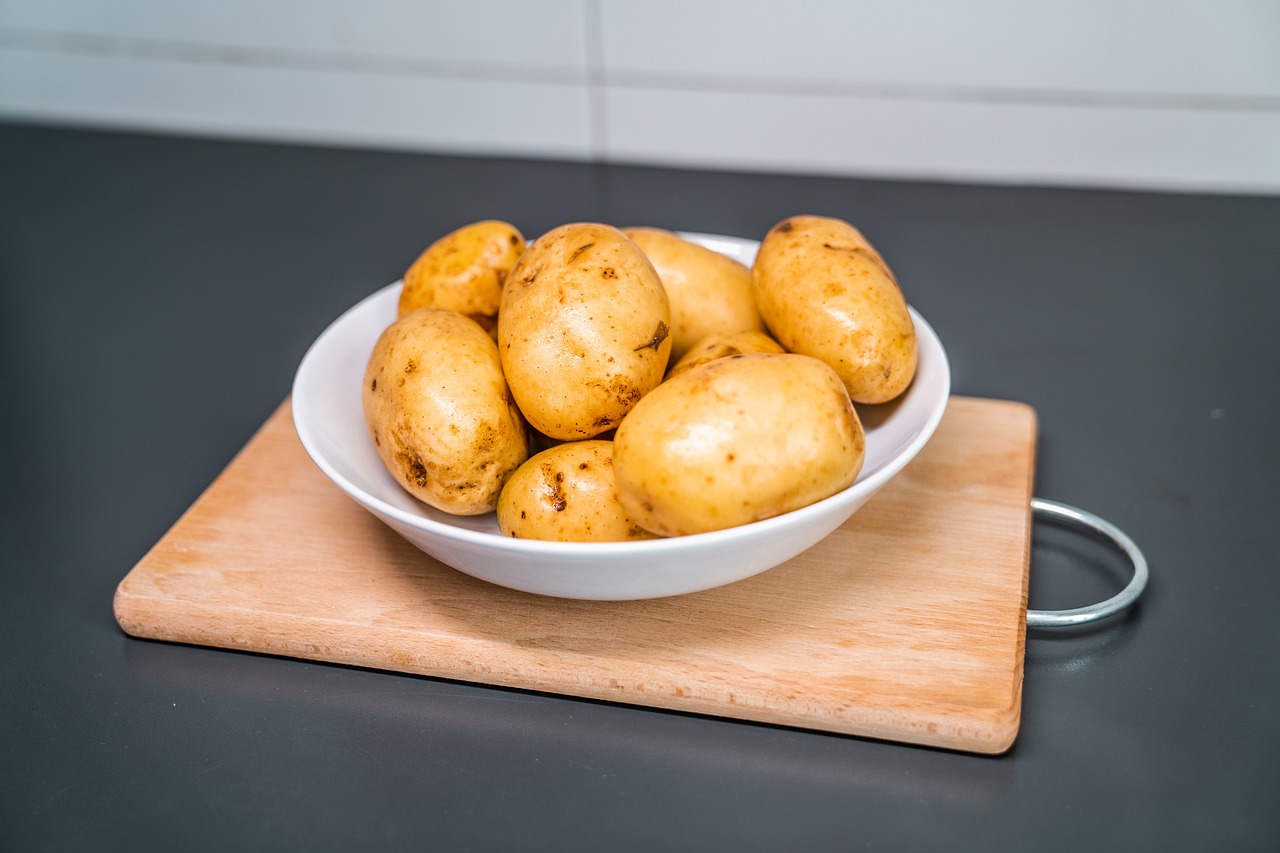
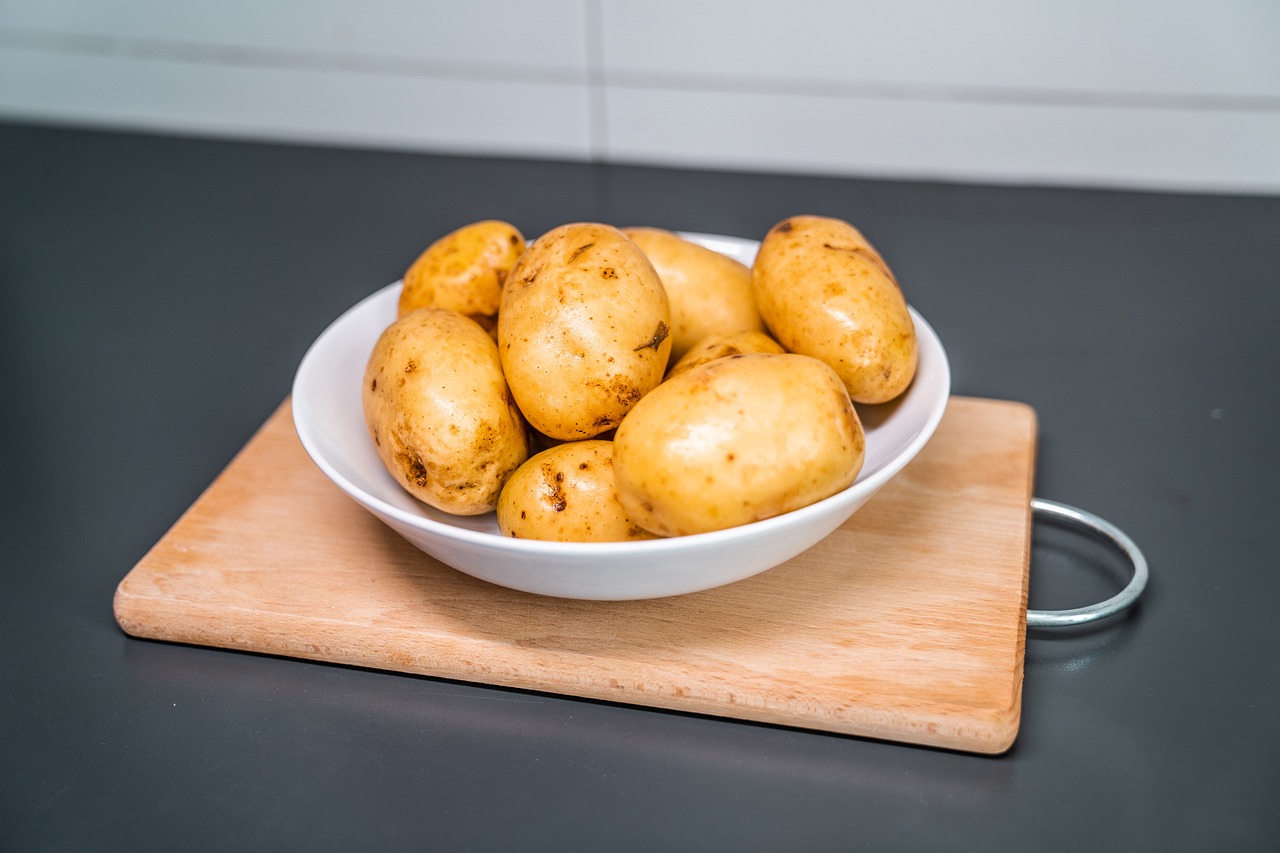
The potato presents another fascinating case study in food status evolution. Originally cultivated by Indigenous peoples in the Andes Mountains of South America over 7,000 years ago, the potato arrived in Europe in the 16th century following Spanish colonization.
Europeans initially regarded potatoes with deep suspicion. The tuber wasn’t mentioned in the Bible, grew underground like a devil’s fruit, and belonged to the nightshade family, which included known poisonous plants. For decades, potatoes were considered fit only for livestock and the desperately poor.
The aristocracy rejected potatoes, preferring wheat bread as a symbol of civilized eating. However, potatoes offered crucial advantages: they yielded more calories per acre than grain crops, grew in poor soil, and could withstand harsh weather. These characteristics would eventually transform European agriculture and demographics.
From Survival Crop to Staple Food
The potato’s acceptance grew gradually. In Prussia, Frederick the Great issued the “Potato Order” of 1756, essentially forcing peasants to plant potatoes to prevent famine. In France, Antoine-Augustin Parmentier promoted potatoes through clever marketing, including hosting dinner parties featuring potato-based dishes for intellectuals and posting guards around potato fields during the day (but not at night) to create an illusion of valuable crops worth stealing.
By the 19th century, potatoes had become a staple food across Europe, particularly in Ireland, where they provided the primary nutrition for millions. The Great Irish Famine of 1845-1852, caused by potato blight, demonstrated how completely this once-rejected food had become integrated into European food systems.
Black Gold: Truffles and the Cultivation of Mystery
Truffles represent the opposite trajectory—a food that has remained consistently associated with wealth and luxury throughout history. These subterranean fungi, which grow in symbiotic relationships with tree roots, have been prized since ancient times.
The Romans considered truffles aphrodisiacs sent by the gods. Throughout the Middle Ages and Renaissance, truffles appeared at aristocratic banquets as symbols of refinement and wealth. Unlike lobster or potatoes, truffles never experienced a period as poor people’s food.
Why Truffles Maintained Elite Status
Several factors explain truffles’ consistent luxury positioning. First, they cannot be reliably cultivated. Despite modern agricultural advances, truffles still require specific conditions and are primarily harvested wild, making supply unpredictable and limited. Second, finding truffles requires specially trained dogs or pigs, adding to harvesting costs.
Third, truffles are highly perishable, with optimal flavor lasting only days after harvesting. This perishability historically limited their availability to those living near truffle-producing regions or wealthy enough to pay premium prices for rapid transport. Finally, their intense, unique aroma and flavor means a small amount suffices, making truffles a perfect luxury ingredient—expensive but used sparingly.
🦪 Oysters: The Bivalve’s Social Climb
Oysters followed a path similar to lobster, transitioning from working-class food to luxury item. In 19th-century New York, London, and Paris, oysters were so plentiful and cheap that they appeared in street vendor carts, served as bar snacks, and formed a staple protein for the poor.
Charles Dickens referenced oysters’ association with poverty in “The Pickwick Papers,” noting that “poverty and oysters always seem to go together.” Oyster cellars in Victorian London served the working classes, while oyster stalls dotted New York streets offering cheap, filling meals.
Industrial pollution, overharvesting, and declining wild oyster populations transformed these mollusks into delicacies by the early 20th century. Today, oysters command premium prices, often served on ice at upscale restaurants with champagne, completing their journey from street food to status symbol.
Quinoa: From Indigenous Staple to Superfood
Quinoa’s recent transformation demonstrates how contemporary food status can shift rapidly. For thousands of years, quinoa was a staple crop for Indigenous peoples in the Andean region, particularly in Bolivia and Peru. Spanish colonizers dismissed it as “Indian food,” actually discouraging its cultivation in favor of European crops.
Quinoa remained relatively obscure outside South America until the early 21st century, when it was “discovered” by health-conscious consumers in developed nations. Marketed as a complete protein and gluten-free grain alternative (though technically a seed), quinoa became a superfood darling, with prices increasing dramatically.
The Double-Edged Sword of Elevation
Quinoa’s elevation to luxury health food created complex consequences. Rising prices benefited some Andean farmers but made quinoa unaffordable for local populations who had depended on it for generations. This phenomenon illustrates how global demand can transform traditional foods, sometimes displacing the very communities that developed them.
🍞 White Bread: The Reversal of Refinement
Bread provides one of the most striking examples of status reversal in food history. For centuries, white bread made from refined wheat flour was a luxury reserved for the wealthy, while dark bread made from mixed grains, rye, or barley was peasant fare.
Refining flour required additional processing, making white bread more expensive and less nutritious, though this wasn’t understood at the time. The aristocracy associated white bread with purity, refinement, and status, while dark bread signified poverty and coarseness.
This hierarchy completely inverted during the 20th century. Industrial milling made white bread cheap and widely available, while nutritional science revealed that whole grain breads retained more vitamins, minerals, and fiber. Today, artisanal whole grain breads command premium prices, while mass-produced white bread is economical. What was once a luxury is now considered nutritionally inferior.
Salmon’s Journey From Commons to Luxury and Back
Atlantic salmon once filled European and North American rivers so abundantly that apprentices and servants stipulated in contracts that they wouldn’t eat salmon more than a certain number of times per week. Similar to lobster, salmon’s abundance made it common food, occasionally considered a hardship when served too frequently.
Industrialization brought pollution, dam construction, and overfishing, decimating wild salmon populations. By the mid-20th century, salmon had become scarce and expensive, transforming into a luxury food. However, the development of salmon farming in Norway, Scotland, Chile, and Canada during the 1980s and 1990s increased supply and reduced prices, making salmon widely accessible again—though wild salmon remains considerably more expensive than farmed varieties.
🌾 The Social Stratification of Meat
Different types of meat have historically signaled social status, with these associations shifting over time. Beef, particularly tender cuts like tenderloin and ribeye, has generally maintained luxury status in Western cultures. Pork occupied a middle ground, accessible to small farmers who could raise pigs on kitchen scraps.
Certain cuts considered undesirable—organ meats, oxtail, pork belly, and beef cheeks—were relegated to the poor. However, nose-to-tail cooking movements and culinary innovation have elevated many of these cuts. Pork belly became bacon, a premium ingredient. Oxtail appears in upscale restaurants. Beef cheeks are braised in wine at bistros. These transformations demonstrate how culinary technique and cultural reframing can elevate ingredients.
The Chicken’s Democratic Journey
Chicken presents an interesting case. Once a luxury protein (President Herbert Hoover’s 1928 campaign promised “a chicken in every pot” as a marker of prosperity), chicken became America’s cheapest meat through industrial farming innovations. Today, chicken is economical and ubiquitous, while heritage breeds and pasture-raised chicken command premium prices, creating a two-tiered market reflecting both old and new value systems.
Understanding the Forces Behind Food Status
Several recurring factors explain why foods move between poverty and wealth associations. Scarcity often creates luxury status, whether through natural rarity (truffles), population decline (wild salmon, oysters), or controlled supply. Conversely, abundance typically reduces status, though exceptions exist when cultural associations prove stronger than availability.
Technological changes reshape food accessibility. Canning elevated lobster; refrigeration transformed meat distribution; industrial agriculture made chicken cheap. Each innovation altered which foods signified wealth or poverty. Marketing and cultural narratives powerfully influence food status. Quinoa became a superfood through health marketing; truffles maintain mystique through scarcity narratives; artisanal breads sell refinement and tradition.
Nutritional knowledge impacts modern food hierarchies. As science revealed refined foods’ nutritional deficiencies, whole grains, wild-caught fish, and organic produce gained status despite sometimes being traditional peasant foods. Social distinction drives food choices beyond nutrition or taste. People consume certain foods partly to signal membership in particular social groups or display cultural capital.
🍽️ Modern Implications and Future Trends
Understanding food history’s status reversals offers insights into contemporary food systems. The farm-to-table movement elevates ingredients once considered ordinary—heirloom vegetables, heritage grains, foraged ingredients. This represents less a return to peasant eating than an appropriation of it, with premium prices making truly traditional foodways inaccessible to many.
Climate change and environmental concerns may drive new status shifts. As meat production’s environmental impact becomes clearer, plant-based proteins might gain prestige while conventional meat loses status among certain demographics. Sustainable fishing practices could make certain fish species more valuable while farmed alternatives become standard.
Global cuisine exchange continues transforming food status. Ingredients from various cultures gain international prestige through diaspora communities, celebrity chefs, and culinary tourism. What begins as immigrant food sometimes becomes fashionable cuisine, though this elevation doesn’t always benefit the communities who developed these traditions.
Lessons From the Plate: What Food Status Reveals About Society
The shifting status of foods from truffles to potatoes reveals fundamental truths about human societies. Our relationship with food transcends biology; it encompasses identity, aspiration, and social organization. What we eat signals who we are and who we wish to be.
These transformations also demonstrate that value is largely constructed rather than inherent. Lobster didn’t change; perceptions did. Potatoes offered the same nutritional benefits when rejected as when accepted. Cultural narratives, economic forces, and social structures determine which foods carry prestige.
Furthermore, food status histories remind us that current hierarchies aren’t permanent. Today’s luxury might become tomorrow’s everyday item, while despised ingredients could gain unexpected cachet. This fluidity suggests opportunities for more sustainable, equitable food systems if we can reshape cultural values around food.
🌍 Bridging Past and Future Through Food Understanding
As we navigate contemporary food challenges—climate change, food security, health crises, inequality—understanding how food status has evolved historically provides valuable perspective. It reveals that our food values are neither natural nor inevitable but rather products of specific historical, economic, and cultural circumstances.
This knowledge empowers more conscious choices. Recognizing that quinoa’s superfood status displaced traditional consumers might inspire more thoughtful purchasing. Understanding that many “luxury” ingredients once fed the poor might reduce food snobbery. Seeing how nutritional science upended bread hierarchies might encourage evidence-based eating over status-driven consumption.
The journey from truffles to potatoes and back again isn’t merely a collection of interesting anecdotes. It’s a mirror reflecting how societies organize themselves, distribute resources, and create meaning. Every meal connects us to this complex history, making us participants in ongoing processes that determine which foods will symbolize wealth or poverty for future generations. By understanding these patterns, we gain power to shape them more consciously, potentially creating food systems that prioritize nutrition, sustainability, and equity over arbitrary status distinctions inherited from the past.
