
Anúncios
Food has always been more than sustenance—it’s memory, resistance, and identity woven into every bite that tells stories of survival and defiance.
Anúncios
🍲 The Revolutionary Power Hidden in Every Recipe
Throughout history, oppressed communities have transformed their kitchens into battlegrounds of cultural preservation. When colonizers, enslavers, and oppressors attempted to strip away language, religion, and tradition, they often overlooked the profound power embedded in food practices. This oversight became a critical mistake, as culinary traditions evolved into one of the most resilient forms of resistance—a delicious rebellion that could be passed down through generations, hiding in plain sight on dinner tables and in secret gatherings.
Anúncios
The act of preparing traditional foods became an act of defiance. Every spice blend, cooking technique, and family recipe carried within it the DNA of ancestors who refused to be erased. From enslaved Africans in the Americas to Indigenous peoples facing colonial violence, from Jewish communities in hiding to displaced refugees rebuilding in foreign lands, food became the keeper of stories that written history tried to silence.
When Ingredients Became Weapons of Cultural Survival
The resourcefulness of oppressed communities in transforming meager, often deliberately inferior ingredients into culinary masterpieces represents one of humanity’s most remarkable achievements. Enslaved Africans in the American South received the scraps their enslavers rejected—pig intestines, feet, and organs—and created soul food, a cuisine so rich in flavor and cultural significance that it became a cornerstone of African American identity.
These culinary innovations weren’t merely about making do with less. They represented a profound act of resistance against dehumanization. By transforming “waste” into feasts, these communities declared their humanity, creativity, and cultural sophistication in ways that couldn’t be legislated away or stolen.
The Alchemy of Limitation and Innovation
Throughout the African diaspora, similar patterns emerged. In Brazil, feijoada became a national dish born from the same circumstances—enslaved people creating something extraordinary from leftover beans and pork parts. In the Caribbean, each island developed distinct flavors that reflected African roots while incorporating indigenous ingredients and techniques that survived colonization.
Indigenous communities across the Americas faced systematic attempts to eradicate their food systems through forced relocation, destruction of agricultural lands, and prohibitions on traditional hunting and gathering. Yet many maintained their culinary knowledge through underground networks, teaching children to identify and prepare traditional foods in secret, ensuring that even if the land was stolen, the knowledge of how to live with it survived.
🌍 Diaspora Kitchens: Cooking Home in Hostile Lands
Migration—whether forced through slavery, displacement, or persecution—created unique culinary traditions that served as portals to homelands that many would never see again. Jewish communities perfected this art across millennia of diaspora, maintaining kosher practices and holiday foods that connected scattered populations across continents and centuries.
The Jewish community’s relationship with food as cultural resistance took on particular urgency during the Holocaust. In concentration camps and ghettos, people shared recipes verbally, preserving them as acts of hope and defiance. Women compiled cookbooks in their minds, trading recipes as a way to maintain humanity in the face of systematic dehumanization. After liberation, these remembered recipes became bridges to lost families and destroyed communities.
The Spice Routes of Resistance
Indian cuisine under British colonial rule exemplifies how food became a site of political and cultural resistance. The British attempted to “civilize” Indian food, but the diverse culinary traditions of the subcontinent proved impossible to suppress. Street food vendors, home cooks, and restaurant owners maintained complex spice blends and cooking techniques that required years to master, creating barriers that prevented complete cultural appropriation.
The simple act of eating with hands rather than utensils became a quiet rebellion against colonial etiquette. Preparing elaborate biryanis, maintaining vegetarian traditions, and preserving regional specialties all served as daily affirmations of cultural identity that colonizers could observe but never fully control or understand.
Soul Food and the Taste of Freedom
African American soul food represents perhaps the most studied example of food as resistance, yet its full significance extends beyond what most historical accounts capture. The cuisine developed not just as survival food but as a sophisticated culinary tradition that maintained African cooking techniques, flavor profiles, and food philosophies across the brutal rupture of the Middle Passage.
Okra, black-eyed peas, watermelon, and sesame seeds all trace their American presence to enslaved Africans who brought seeds hidden in their hair or smuggled in the holds of slave ships. These ingredients became living connections to Africa, growing in American soil but carrying ancestral memory in their genetic code.
The Sunday Dinner Tradition
After emancipation, Sunday dinners became sacred rituals of community building and cultural affirmation. Fried chicken, collard greens, cornbread, and sweet potato pie transformed into symbols of survival and celebration. These meals created spaces where African American families could gather safely, share stories, and reinforce cultural values that white supremacist society sought to destroy.
The Great Migration carried these traditions northward, where soul food restaurants became community centers in urban Black neighborhoods. These establishments served more than food—they provided spaces for organizing, networking, and cultural expression during the Civil Rights Movement and beyond.
🌶️ Indigenous Food Sovereignty as Decolonization
Contemporary Indigenous movements increasingly center food sovereignty as a critical component of cultural survival and political resistance. The forced adoption of commodity foods and suppression of traditional food systems created health crises in Native communities, from diabetes epidemics to nutritional deficiencies unknown before colonization.
Revitalizing traditional foods—from wild rice cultivation to salmon fishing rights—represents more than nostalgia. It’s a direct challenge to colonial systems that continue to profit from Indigenous land while restricting Indigenous peoples’ access to traditional food sources. Organizations working to restore Indigenous food systems understand that cultural survival depends on maintaining these relationships between people, land, and traditional foods.
Seed Keeping as Revolutionary Act
Indigenous seed keepers maintain varieties developed over thousands of years, preserving genetic diversity that corporate agriculture has systematically eliminated. These heirloom seeds carry cultural knowledge—stories about when to plant, how to prepare, and what ceremonies accompany each crop. Keeping these seeds alive literally keeps cultures alive.
The Three Sisters agricultural system—corn, beans, and squash grown together—represents sophisticated ecological knowledge that sustained millions of people for millennia. Its revival in Indigenous communities today challenges industrial agricultural narratives while providing nutritional and cultural benefits that processed commodity foods never could.
Recipes as Oral History and Resistance Literature
In communities where literacy was forbidden or dangerous, recipes became vehicles for transmitting knowledge across generations. The precise measurements weren’t written—they lived in muscle memory, in the feel of dough, in the smell of spices roasting, in the color of properly caramelized onions. This embodied knowledge proved impossible for oppressors to confiscate or destroy.
Cookbooks written by oppressed communities often served dual purposes. On the surface, they appeared as simple recipe collections, but between the lines, they preserved language, history, and cultural practices. The first African American cookbooks, for instance, documented not just recipes but social histories, migration patterns, and cultural evolution.
The Hidden Curriculum of Grandmothers’ Kitchens
Across cultures, grandmothers’ kitchens functioned as informal schools where cultural knowledge transferred from old to young. Children learned not just cooking techniques but language, history, values, and identity. These intimate educational spaces operated beyond the reach of oppressive institutions that sought to assimilate or erase cultural practices.
In many immigrant communities, grandchildren who grew up speaking only the dominant language still learned to prepare traditional foods, creating embodied connections to heritage that language loss might otherwise have severed. The act of cooking became a form of cultural literacy that transcended verbal communication.
🍜 Contemporary Food Justice Movements
Modern food justice movements build explicitly on these historical traditions of food as resistance. Community gardens in food deserts, urban farming projects led by people of color, and campaigns for agricultural workers’ rights all recognize food as a site of ongoing struggle for dignity, health, and cultural preservation.
These movements understand that food apartheid—the systematic restriction of healthy food access in low-income communities and communities of color—represents a contemporary form of oppression with historical roots. Fighting for food justice means fighting for economic justice, environmental justice, and cultural survival simultaneously.
Reclaiming Culinary Narratives
Chefs and food writers from marginalized communities increasingly challenge dominant culinary narratives that credit colonizers and appropriators while erasing the actual creators of dishes and techniques. This work of historical correction matters not just for academic accuracy but for cultural dignity and contemporary economic justice.
When a cuisine gains mainstream popularity, who profits? Indigenous peoples across the Americas watch as their traditional ingredients become trendy superfoods while their communities remain economically marginalized. African and African diaspora communities see their foods celebrated when prepared by white chefs while Black-owned restaurants struggle for investment and recognition.
Festival Foods and Public Resistance
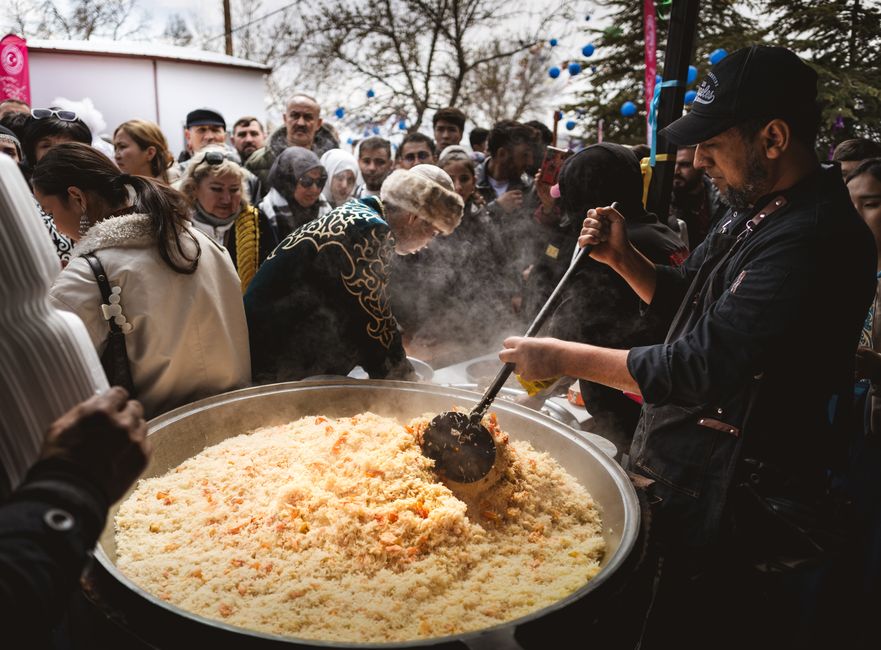
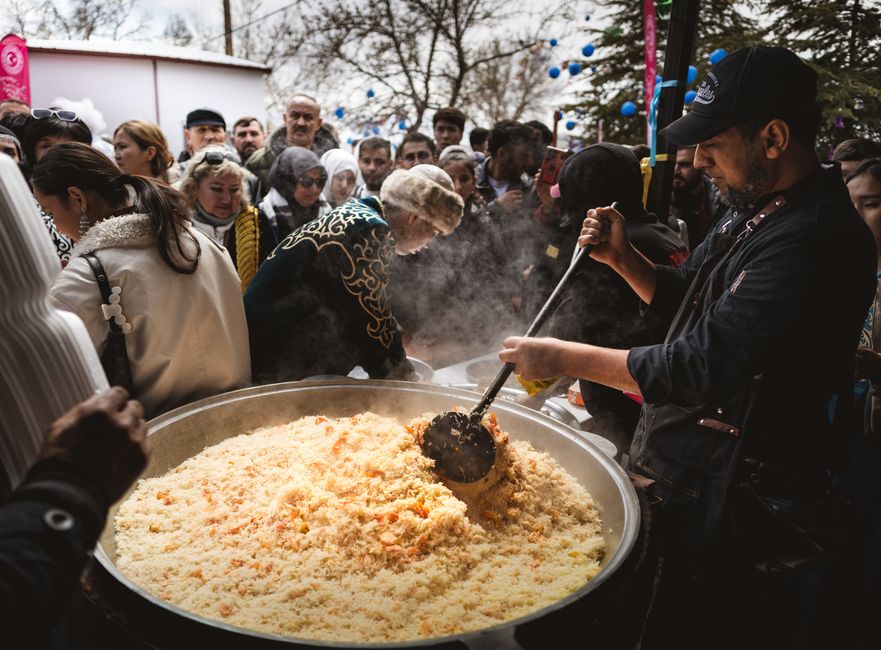
Cultural festivals and public celebrations where traditional foods take center stage represent powerful forms of visible resistance. When communities gather publicly to prepare and share traditional foods, they claim space, assert cultural pride, and invite others to recognize their contributions and humanity.
These celebrations serve educational purposes, teaching younger generations and outside communities about cultural traditions while building solidarity across different groups. The act of feeding others traditional foods becomes an invitation to relationship and understanding that transcends political rhetoric.
Street Food as Democratic Resistance
Street food vendors from marginalized communities have historically faced harassment and regulation designed to push them out of public spaces. Yet they persist, creating affordable, culturally authentic food access while claiming economic opportunities in hostile environments. Supporting these vendors represents a form of resistance against gentrification and cultural erasure.
🌱 The Future of Food Resistance
As climate change, corporate consolidation of food systems, and ongoing displacement threaten cultural food traditions worldwide, the lessons from historical food resistance become increasingly relevant. Communities that have survived centuries of oppression while maintaining culinary traditions offer models for resilience that the entire human family may need in coming decades.
The revival of traditional foods often proves more sustainable than industrial alternatives, both environmentally and culturally. Indigenous food systems, in particular, offer blueprints for living in balance with ecosystems—knowledge that becomes more precious as industrial agriculture’s failures become undeniable.
Young people from historically oppressed communities increasingly embrace traditional foods as acts of resistance against assimilation and cultural loss. Learning to prepare grandparents’ recipes becomes political activism, cultural preservation, and personal healing simultaneously. Social media enables sharing of techniques and knowledge across distances that once would have severed cultural transmission.
Nourishing Resistance for Generations Forward
The transformation of food from simple sustenance into a powerful tool for identity and cultural resistance represents one of humanity’s most creative responses to oppression. Every recipe maintained, every traditional ingredient cultivated, every cooking technique passed down represents a victory against forces that sought cultural erasure.
These culinary traditions remind us that resistance doesn’t always look like confrontation. Sometimes it looks like kneading dough, like carefully blending spices, like gathering family around a table laden with foods that carry centuries of memory and meaning. Sometimes revolution tastes like home cooking, and the most powerful weapons are wooden spoons wielded by grandmothers who refuse to let their cultures die.
As we face uncertain futures, the resilience encoded in these food traditions offers hope. Communities that survived slavery, colonization, genocide, and displacement did so partly through the simple, profound act of feeding themselves and each other according to ancestral wisdom. That same resourcefulness, creativity, and determination continues to nourish resistance movements today, proving that the table can indeed be a site of revolution, and that every meal can be an act of defiance against erasure.
The story of food as resistance continues to unfold in every kitchen where traditional recipes are prepared, in every garden where heirloom seeds are planted, in every gathering where cultural foods are shared with pride and joy. These everyday acts of culinary resistance accumulate into movements that reshape food systems, challenge oppressive structures, and ensure that future generations inherit not just recipes but the resilient, creative spirit that transformed survival into celebration.
